
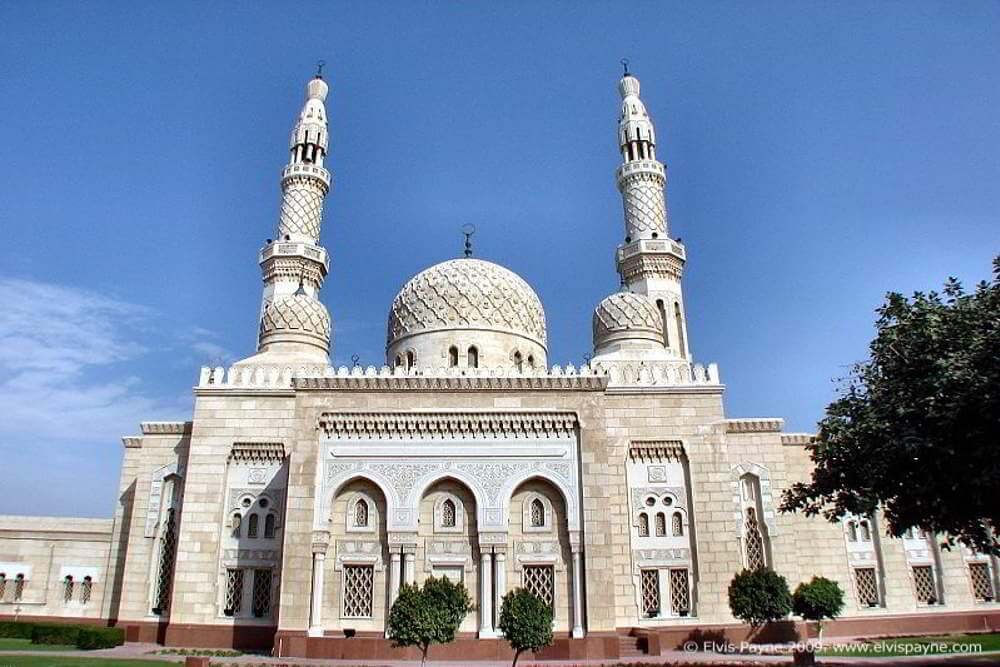

Jumeirah Mosque is one of Dubai’s most recognisable cultural and architectural landmarks, representing the city’s commitment to openness, cultural dialogue, and heritage preservation. Located in Jumeirah 1 along Jumeirah Beach Road, the mosque is globally known for being one of the few mosques in Dubai that welcomes non-Muslim visitors through structured cultural tours.
Beyond its religious role, Jumeirah Mosque functions as a cultural bridge between residents, expatriates, and visitors, offering insight into Islamic traditions, Emirati values, and historical Islamic architecture. For real estate buyers and investors, the mosque also anchors the identity of the wider Jumeirah district, influencing lifestyle appeal, tourism footfall, and long-term desirability of surrounding residential areas.
Jumeirah Mosque Location: Jumeirah 1, Dubai
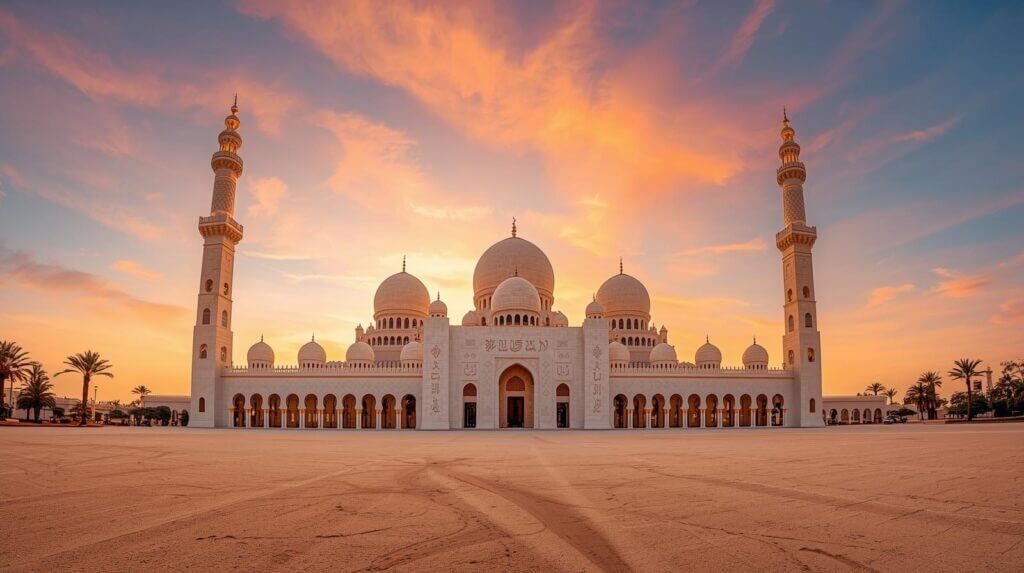
Jumeirah Mosque sits on Jumeirah Beach Road, one of Dubai’s most established coastal corridors. Jumeirah 1 is a low-rise, villa-dominated neighbourhood known for its beach proximity, mature infrastructure, and cultural institutions.
The mosque’s location places it close to:
- La Mer beachfront area
- Jumeirah Public Beach
- Al Satwa and Bur Dubai districts
- Key arterial roads linking Downtown Dubai and Deira
From a real estate perspective, proximity to Jumeirah Mosque enhances the heritage value of nearby properties, especially villas and boutique residential developments that appeal to culturally inclined residents and long-term expatriates.
Recommended: Jumeirah Burj Al Arab
Jumeirah Mosque Historical Background and Cultural Significance
Construction of Jumeirah Mosque began in 1975 and was completed in 1979. It was commissioned by the late Sheikh Rashid bin Saeed Al Maktoum as a gift to his son, Sheikh Mohammed bin Rashid Al Maktoum, the current Ruler of Dubai.
The mosque later became closely associated with the Sheikh Mohammed Centre for Cultural Understanding (SMCCU), which used the site as its headquarters before relocating to Bur Dubai. Today, the mosque remains one of SMCCU’s most important cultural outreach venues under the well-known “Open Doors, Open Minds” initiative.
Historically, the mosque symbolises Dubai’s transition during the oil era—from a modest trading settlement into a global city that still values tradition and faith.
Architectural Identity and Design Characteristics
Exterior Architecture
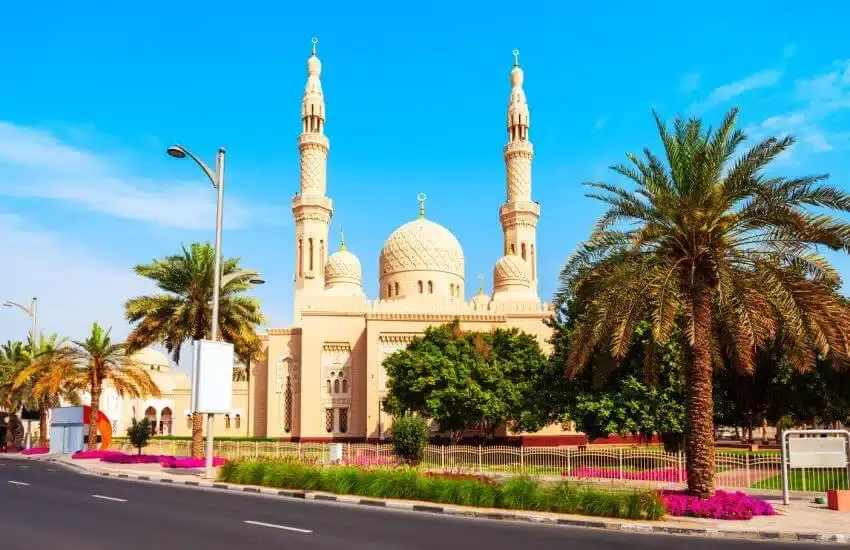
Jumeirah Mosque is constructed primarily from light-coloured stone, giving it a striking appearance, especially at dusk and night when illuminated. The design blends Fatimid and Mamluk architectural styles, drawing inspiration from historic mosques in Egypt and Syria.
Key exterior features include:
- A large central dome
- Two symmetrical minarets
- Deep stone carvings and relief work
- Distinct entrances separating worshippers and visitors
This architectural clarity makes the mosque one of the most photographed religious buildings in Dubai.
Interior Design and Spatial Layout
Inside, the mosque follows a hypostyle layout, with columns arranged around the central dome. The prayer hall is richly decorated yet restrained, featuring:
- A large patterned carpet
- Quranic epigraphy referencing themes of victory and devotion
- Layered colour tones moving upward from earth hues to blue, symbolising the sky
The interior design subtly references classical Islamic sites such as the Alhambra, reinforcing the mosque’s cultural depth rather than overt luxury.
Visitor Experience and Guided Cultural Tours
SMCCU Cultural Tours
Non-Muslim visitors may only enter Jumeirah Mosque through guided tours organised by SMCCU. These tours are designed to be educational, welcoming, and interactive rather than purely architectural.
Tours typically include:
- Explanation of Islamic beliefs and daily prayers
- Demonstration of ablution (wudhu)
- Discussion of Emirati customs and traditions
- Open question-and-answer sessions
Photography is encouraged, reinforcing the mosque’s role as an educational and cultural destination rather than a closed religious site.
Tour Schedule and Practical Information
Public tours usually operate:
- Daily at 10:00 AM and 2:00 PM, except Fridays
- Registration opens around 30 minutes before each session
- No advance booking is required for standard visits
The experience includes light Emirati refreshments such as Arabic coffee and dates, served in the majlis.
Recommended: Al Fahidi Historical Neighbourhood
Dress Code, Etiquette, and Accessibility
Visitors are expected to dress modestly:
- Shoulders and knees must be covered
- Women should cover their hair with a scarf
Traditional clothing such as abayas and sheilas is available on site if required, making the experience accessible to tourists.
The mosque complex includes a majlis, museum spaces, and visitor facilities, and guided tours are generally accommodating, including for families and elderly visitors.
Lifestyle Influence on the Jumeirah Area
Jumeirah Mosque contributes significantly to the cultural character of the wider Jumeirah neighbourhood. Unlike high-density districts, Jumeirah remains largely residential, with:
- Independent villas
- Low-rise apartment buildings
- Embassies, schools, and community amenities
Residents benefit from a quieter lifestyle while remaining close to beaches, cafés, and central Dubai districts. The presence of a globally recognised landmark enhances community identity and long-term neighbourhood stability.
Property Types Around Jumeirah Mosque
While the mosque itself is not a residential development, it directly influences surrounding property demand. Common property types in Jumeirah 1 include:
- Large family villas
- Renovated heritage homes
- Limited low-rise residential buildings
- Boutique residential projects
These properties appeal primarily to end-users and long-term tenants rather than short-term speculative investors.
Market Insights and Investment Perspective
Jumeirah is considered a mature real estate market. Property values tend to be resilient rather than volatile, driven by:
- Prime coastal location
- Limited new supply
- Strong lifestyle demand
- Cultural and heritage appeal
While rental yields may be lower than emerging districts, capital preservation and tenant quality are typically higher.
Investment Considerations
Strengths
- Stable demand from families and expatriates
- Cultural and heritage value
- Proximity to beaches and central Dubai
Potential Risks
- Higher entry prices
- Limited availability of new developments
- Lower short-term rental turnover
Who Is Jumeirah Mosque Area Best For?
This area is particularly suitable for:
- Families seeking a quiet, established community
- Long-term expatriates valuing cultural surroundings
- Buyers prioritising lifestyle over short-term returns
- Investors focused on capital preservation
It is less suited for high-density urban living or purely short-term rental strategies.
FAQs
Is Jumeirah Mosque open to the public?
Yes, but non-Muslims may only enter as part of guided cultural tours organised by SMCCU.
Can non-Muslims visit Jumeirah Mosque?
Yes, through the official SMCCU “Open Doors, Open Minds” programme.
Is photography allowed inside the mosque?
Photography is generally permitted and encouraged during guided tours.
What makes Jumeirah Mosque special?
Its openness to cultural dialogue, architectural authenticity, and role as a symbol of religious tolerance in Dubai distinguish it from other mosques.
Is it worth visiting Jumeirah Mosque?
For visitors and residents interested in understanding Emirati culture, Islamic traditions, and Dubai’s heritage, it is considered one of the city’s most meaningful cultural experiences.
Conclusion
Jumeirah Mosque is far more than a place of worship—it is a cultural anchor that defines the identity of Jumeirah 1 and reflects Dubai’s balance between tradition and modernity. Architecturally refined, historically significant, and culturally accessible, the mosque enhances the lifestyle appeal and long-term value of its surrounding neighbourhood.
For property buyers and investors, proximity to Jumeirah Mosque represents stability, heritage value, and community depth rather than speculative growth. As Dubai continues to evolve, landmarks like Jumeirah Mosque ensure that cultural continuity remains central to the city’s urban and real estate narrative.


Leave a Reply