
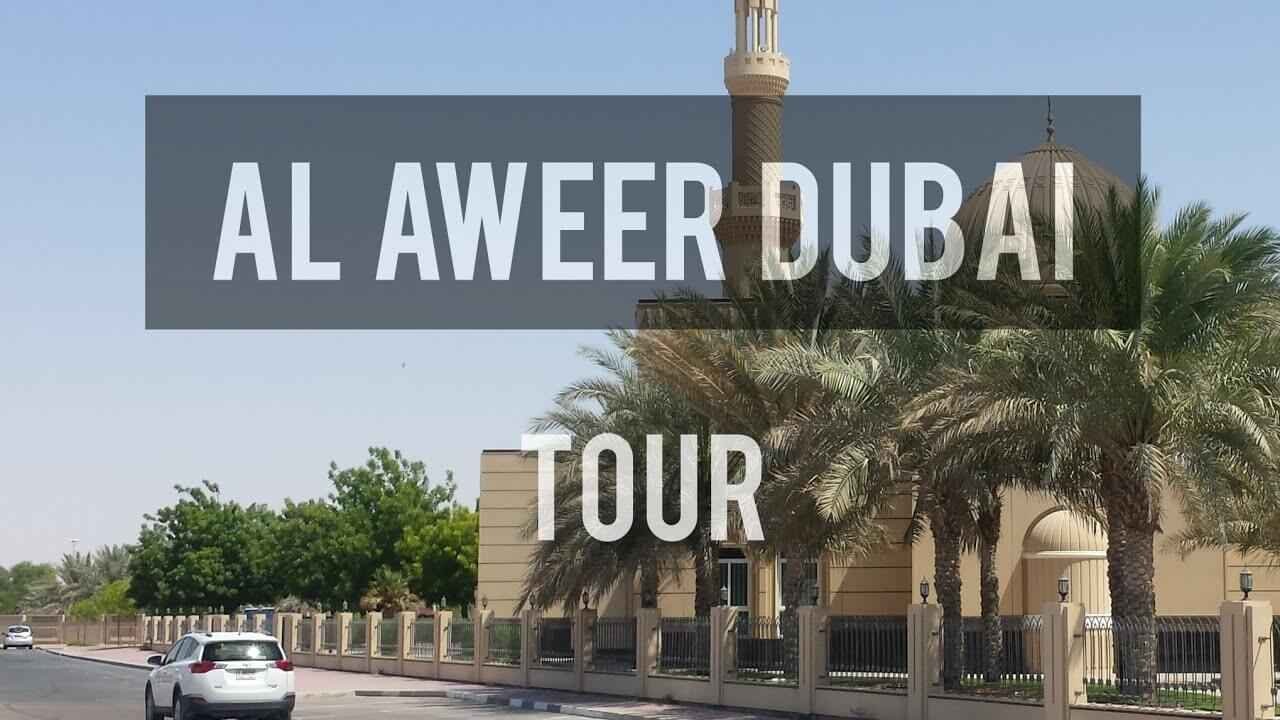

Al Awir, also written as Al Aweer, is one of Dubai’s most distinctive suburban districts, positioned on the eastern edge of the emirate. Unlike high-rise coastal zones and central business neighborhoods, this area developed around agriculture, camel breeding, and desert trade routes. Over time, it has grown into a mixed residential and service hub while still preserving a semi-rural character. Large land plots, farms, villa compounds, and wholesale markets define its visual and functional identity.
The area serves a different segment of Dubai’s population compared to marina or downtown districts. It appeals to residents who value space, privacy, affordability, and road connectivity over dense urban living. Demand comes from families, logistics workers, market traders, and professionals working in nearby education and technology zones. Search intent around this location is mostly informational and commercial – people want to understand whether it is suitable for living, renting, or long-term value.
Al Awir Location, Accessibility and Road Connectivity
Al Awir sits near the Dubai-Sharjah corridor and connects directly to two of the most important highway routes in the emirate. Its position gives it logistical importance and explains why large markets and service centers operate here. The district is close to Ras Al Khor, Al Khawaneej, Al Warqaa, Al Warsan, Academic City, and Dubai Silicon Oasis, forming part of Dubai’s eastern growth belt.
Road access is the strongest advantage of the area. Emirates Road (E611) and Dubai-Hatta Road (E44) allow fast vehicle movement toward Sharjah, northern emirates, desert recreation zones, and inland industrial clusters. Commute patterns are smoother for residents working in eastern and northern Dubai than for those employed in coastal business districts. Travel to central Dubai is manageable by car but not ideal for daily peak-hour commuting.
Public transport exists but remains limited in reach and frequency. Bus routes connect the district to Rashidiya and nearby zones, where metro access becomes available. In practical terms, most residents rely on private vehicles or company transport.
Al Awir Historical Background and Land Use Evolution

Al Awir developed as an agricultural and camel-related settlement long before Dubai’s vertical expansion. Farms, animal enclosures, and desert camps shaped early land use. Prominent local families maintain private farms and agricultural plots in and around the district, reinforcing its heritage function within the emirate’s food and livestock landscape.
As Dubai expanded outward, support infrastructure followed. Wholesale trade markets, administrative service centers, health facilities, and correctional institutions were established here due to land availability and highway access. Residential clusters gradually formed alongside these functions. The result today is a layered district where farms, villas, markets, and service facilities coexist rather than being strictly separated.
This mixed land-use pattern explains both the affordability and the uneven urban texture of the area. It is not master-planned in the same way as newer gated communities, but it offers functional value and space advantages.
Al Awir Residential Property Types and Housing Options
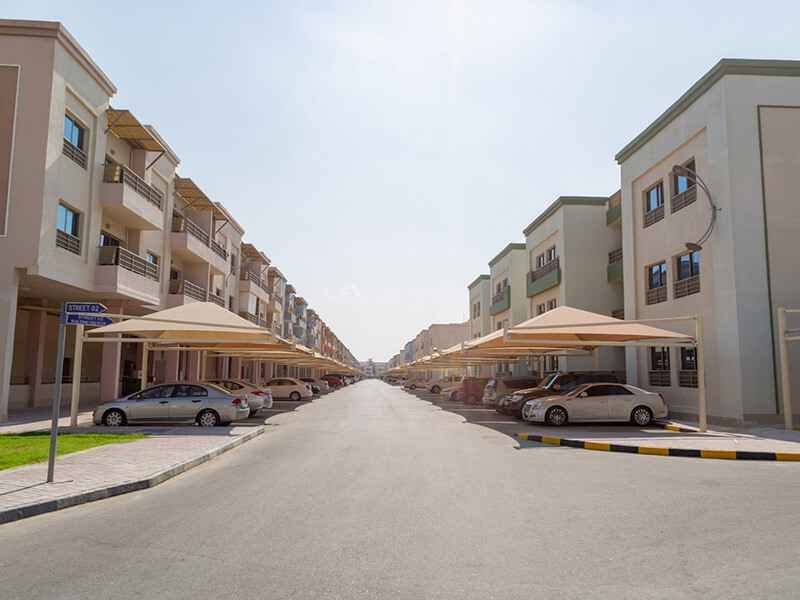
Housing in Al Awir differs significantly from high-density Dubai communities. Built form is generally low-rise, with wide plots and open surroundings. The residential mix includes traditional villas, farmhouses, independent compounds, and small apartment buildings. This variety supports multiple budget levels and household sizes.
Villas are a defining feature of the district. Many are large, multi-bedroom properties designed for extended families, often with private yards and boundary walls. Some sit within family compounds or farm plots. Apartment stock is smaller in scale but important for affordability seekers. Studio and one-bedroom units are among the lower-cost rental options within Dubai’s municipal boundary.
Instead of vertical towers and lifestyle podiums, housing here emphasizes land, storage, parking space, and functional layouts. This makes the district attractive to tenants who prioritize size and cost efficiency over skyline views and branded amenities.
Property Prices, Rental Positioning and Market Behavior
Al Awir is widely recognized as one of the more budget-friendly residential zones in Dubai. Rental positioning is driven by distance from central business districts, limited public transport, and mixed land use. In exchange, tenants typically receive larger spaces or lower annual rents compared to inner-city locations.
Studios and small apartments are often selected by single professionals and workers employed in nearby academic, industrial, and logistics zones. Villas attract larger households seeking space without premium community fees. Market movement is steady rather than speculative. Demand is practical and needs-based, which tends to reduce sharp price swings compared to high-profile districts.
From an investor perspective, the area aligns more with yield-driven strategies than luxury appreciation plays. Returns depend on tenant stability, property condition, and road access rather than lifestyle branding.
Key Markets, Landmarks and Administrative Facilities

One of the most important functional landmarks in the district is the large fruit and vegetable wholesale market. It plays a major role in the city’s food distribution chain and attracts daily commercial traffic from retailers and restaurants. The market environment also supports surrounding cafeterias, transport services, and small shops.
Administrative and institutional facilities are also located here, including a major immigration and visa service center and the emirate’s primary correctional complex. Health services are anchored by a local health center and a specialized psychiatric hospital. These facilities increase daytime population flow and create service employment in the surrounding zone.
Nearby desert and wildlife attractions, including safari experiences and themed parks, add a secondary visitor dimension to the area’s identity.
Schools and Education Access
Education within Al Awir includes local schools and religious learning centers serving neighborhood families. Primary and secondary options exist but are limited in variety compared to central districts. Because of this, many residents look toward nearby Academic City and surrounding education clusters for broader curriculum choices.
Academic City, reachable within a short drive, hosts multiple international schools and higher-education institutions. This proximity increases Al Awir’s appeal for households connected to the education sector. School commute planning is important when choosing housing here, since daily driving is usually required.
Parents selecting the area typically balance lower housing costs with private transport needs for schooling.
Healthcare and Daily Services
Healthcare coverage inside the district includes a community health center providing general medical and preventive services. A specialized psychiatric hospital is also located in the area. For multi-specialty hospitals and large private clinics, residents usually drive to nearby districts such as International City and Al Garhoud.
Daily retail is supported by small supermarkets, petrol station convenience stores, and neighborhood groceries. Large hypermarkets and branded retail centers are not located inside the district itself, so weekly shopping trips often extend to nearby communities.
This service pattern is typical of outer suburban zones: essential needs are met locally, while premium and specialized services require short highway trips.
Shopping, Dining and Leisure Options
Retail and entertainment activity is concentrated outside the district rather than within it. The closest major shopping destination is Dragon Mart in International City, known for its vast range of wholesale and retail goods and large food courts. Dubai Outlet Mall and Mirdif City Centre are also reachable within a moderate drive, expanding shopping and cinema choices.
Dining inside Al Awir is mostly casual and street-oriented. Cafeterias, small restaurants, and local eateries line internal roads and market zones. The food scene focuses on affordability and quick service rather than fine dining. For upscale restaurants and nightlife, residents travel toward central or coastal districts.
Leisure is strongly tied to outdoor and desert environments. Nearby parks, desert safari routes, fossil rock formations, and Hatta-direction excursions provide weekend recreation options that differ from mall-based entertainment.
Outdoor Lifestyle and Recreation
The district includes several local parks and open grounds that support walking, football, and family outings. Dog parks and desert camps operate nearby, giving pet owners and outdoor enthusiasts practical options. Because of low density and open land, the environment feels less crowded than inner Dubai.
Desert safari operators frequently use the surrounding dunes as activity zones for dune driving, camping, and cultural events. This creates a tourism-adjacent micro-economy and seasonal visitor flow. Residents who enjoy desert landscapes and open skies often see this as a lifestyle advantage rather than a limitation.
Pros, Limitations and Suitability Profile
Al Awir offers a clear value proposition built around space, affordability, and road connectivity. Housing costs are lower than most inner districts, and plot sizes are larger. The environment is quieter and more traditional in character.
At the same time, trade-offs are real. Public transport coverage is limited, and daily life depends heavily on car ownership. Premium retail, healthcare, and schooling choices require driving. Some industrial and service facilities nearby can affect atmosphere in certain pockets.
The area is best suited for families needing large homes on tighter budgets, workers in eastern Dubai or Sharjah corridors, and residents who prefer low-rise surroundings over dense urban towers.
FAQs
Is Al Awir inside Dubai or outside the city?
It is within Dubai emirate boundaries but located on the eastern outskirts rather than the central urban core.
Is Al Awir good for renting on a budget?
Yes, it is commonly chosen for lower rental costs, especially for studios, small apartments, and large villas compared to central districts.
Do you need a car to live in Al Awir?
In most cases, yes. Public transport exists but is not comprehensive enough for fully car-free living.
What is Al Awir most known for?
It is widely known for its large fruit and vegetable wholesale market, agricultural roots, camel activities, and desert access.
Are there schools nearby?
Local schools are present, and many additional options are available in nearby Academic City and surrounding districts.
Conclusion
Al Awir stands apart from Dubai’s vertical, waterfront, and luxury-branded communities. Its strength lies in land availability, affordability, wholesale trade importance, and highway connectivity. It delivers practical housing solutions for residents who prioritize cost, size, and access to eastern transport corridors over lifestyle branding and metro proximity.
For tenants and buyers who understand its suburban and mixed-use nature, the district can be a smart, function-driven choice. For those needing daily access to central business zones and mass transit, other areas may be more suitable. Evaluating commute patterns and service needs is the key decision factor.


Leave a Reply