
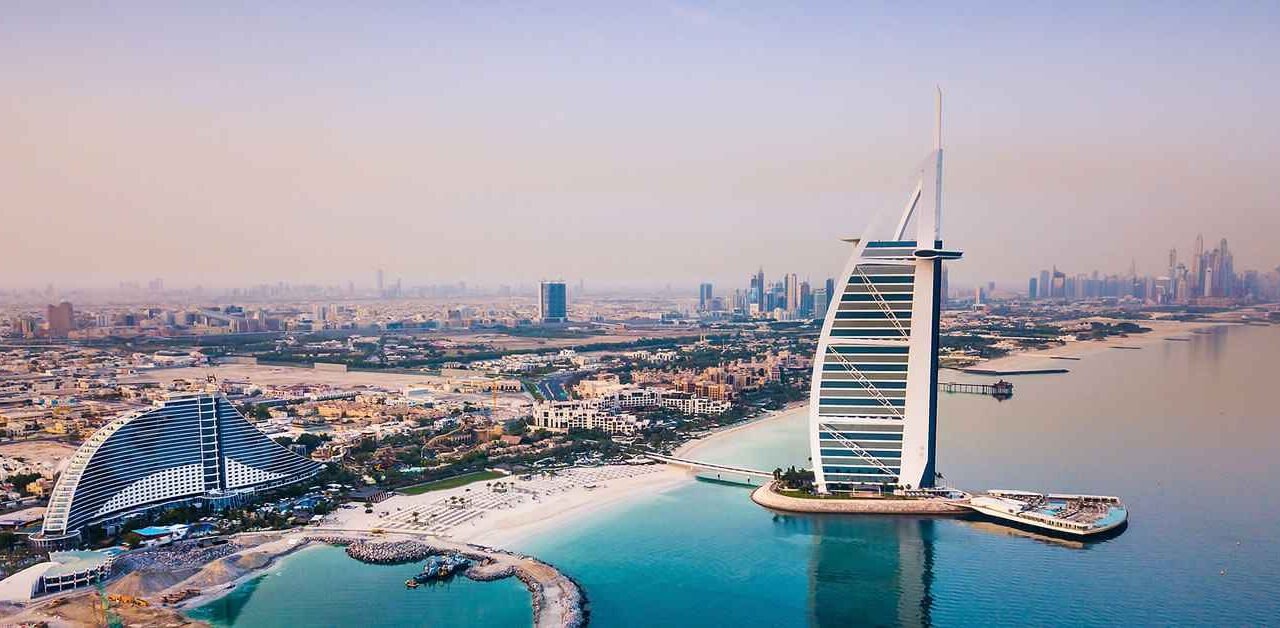

Dubai stands as one of the most dynamic and rapidly evolving cities in the world, serving as the economic and lifestyle hub of the United Arab Emirates. From its origins as a modest trading port along a natural creek, the city has transformed into a global destination defined by architectural ambition, economic diversification, and a cosmopolitan population. Today, Dubai represents a unique intersection of tradition and innovation, where historic districts coexist alongside ultra-modern developments.
The city’s appeal lies in its ability to cater to a wide spectrum of residents and investors. Whether someone is seeking luxury waterfront living, a family-friendly suburban environment, or high-yield real estate opportunities, Dubai offers a diverse range of neighborhoods and property types. Its tax-efficient environment, strong infrastructure, and strategic location between Europe, Asia, and Africa further reinforce its global significance.
From a real estate perspective, Dubai functions as both a lifestyle destination and an investment market, attracting international buyers, expatriates, and institutional investors alike. As a result, understanding the structure, districts, and economic drivers of Dubai is essential for anyone considering living or investing in the city.
Dubai Location, Geography, and Urban Layout
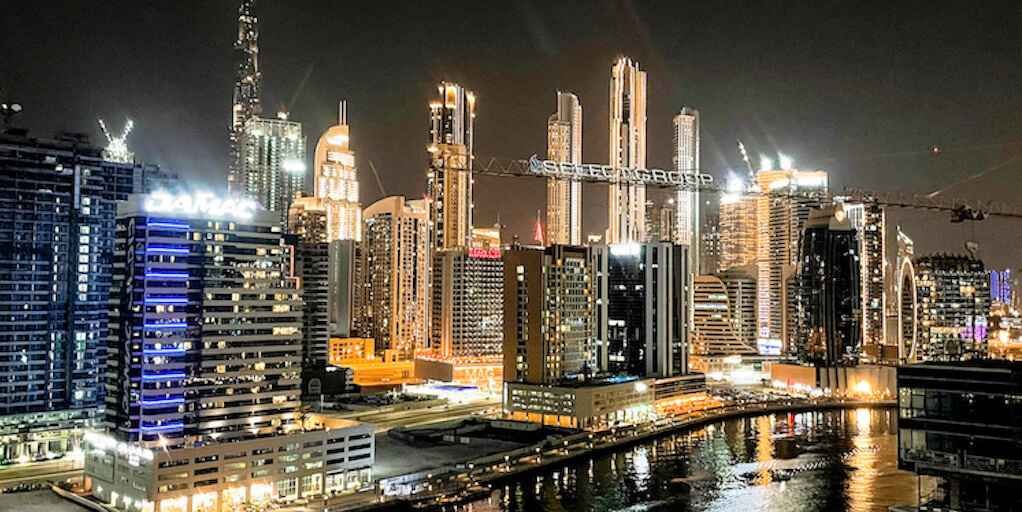
Dubai is located along the southeastern coast of the Arabian Peninsula, facing the Persian Gulf. The city’s development is centered around a natural water inlet known as Dubai Creek, which historically served as the foundation of its trading economy. This creek divides the older parts of the city and continues to play a role in shaping its cultural identity.
The urban layout of Dubai is linear and expansive, largely structured along major highways such as Sheikh Zayed Road. This corridor acts as the backbone of the city, connecting key business districts, residential communities, and commercial hubs. As the city expanded westward and inland, new master-planned developments began to emerge, featuring artificial islands, waterfront communities, and integrated urban zones.
One of the most distinctive aspects of Dubai’s geography is its man-made coastline. Due to limited natural beachfront, developers introduced large-scale projects that extended the shoreline, creating iconic residential and tourism destinations. These developments have significantly influenced property values and lifestyle offerings, particularly in waterfront areas.
Dubai Climate and Living Conditions
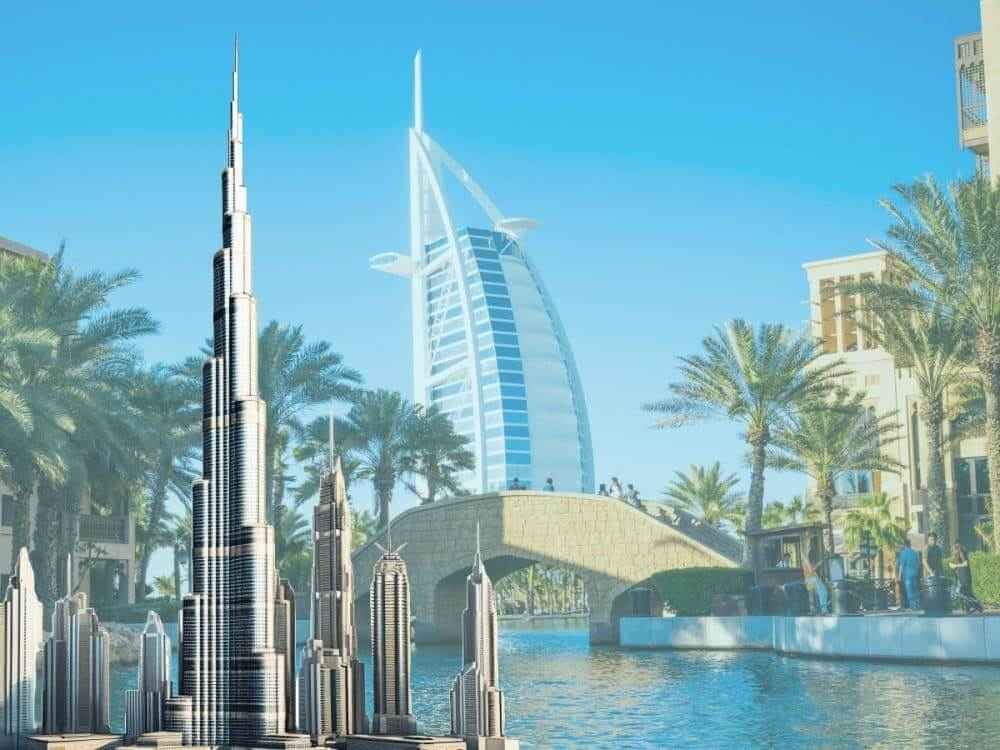
Dubai experiences a desert climate characterized by long, hot summers and short, mild winters. Temperatures during peak summer months often exceed 40°C, accompanied by high humidity levels, especially in coastal areas. Winters, on the other hand, are more temperate, making outdoor activities more enjoyable.
This climate has directly influenced the city’s infrastructure and lifestyle patterns. Most buildings, vehicles, and public spaces are designed with climate control systems, ensuring comfort year-round. Indoor living, including shopping malls, entertainment centers, and office spaces, plays a significant role in daily life.
For property buyers and tenants, the climate also impacts preferences. Properties with shaded parking, efficient cooling systems, and proximity to indoor amenities are highly desirable. Additionally, waterfront and beachfront locations tend to attract residents seeking a more balanced outdoor lifestyle during cooler months.
Population and Cultural Diversity
Dubai is widely recognized for its multicultural population. While Emirati nationals form a minority, the majority of residents are expatriates from various parts of the world, including South Asia, Europe, the Middle East, and North America. This diversity has created a unique social environment where different cultures, languages, and traditions coexist.
English is commonly used in business and everyday communication, while Arabic remains the official language. The city’s openness to international residents has contributed to its global appeal, particularly among professionals and entrepreneurs.
From a residential perspective, this diversity is reflected in neighborhood dynamics. Some communities are more family-oriented, while others cater to young professionals or luxury lifestyle seekers. Understanding these demographic patterns can help buyers and tenants choose areas that align with their lifestyle preferences.
Key Areas and Neighborhood Overview
Dubai’s real estate landscape is defined by a variety of districts, each offering distinct characteristics, property types, and lifestyle experiences. The city can broadly be categorized into historic districts, modern urban hubs, waterfront communities, and suburban residential areas.
Downtown Core and Urban Living
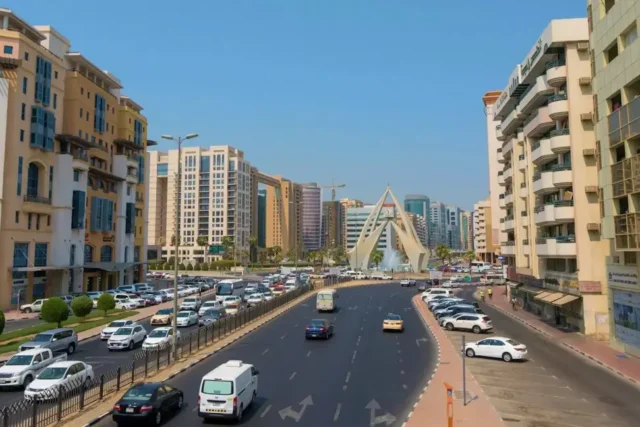
The central urban zone is characterized by high-rise developments, luxury residences, and commercial towers. This area serves as the city’s primary business and tourism hub, offering a vibrant lifestyle with access to retail, dining, and entertainment.
Properties in this district typically include apartments and serviced residences, making it ideal for professionals and investors seeking rental income. The area’s walkability, combined with proximity to major attractions, enhances its appeal for short-term and long-term residents.
Waterfront Communities and Marina Living
Waterfront developments have become a defining feature of Dubai’s real estate market. These areas offer a combination of high-rise apartments, luxury penthouses, and beachfront villas, often accompanied by promenades, marinas, and leisure facilities.
Such communities are particularly popular among expatriates due to their lifestyle-oriented design, which includes cafes, retail outlets, and direct access to beaches. The presence of scenic views and recreational spaces further enhances their desirability.
However, these areas can experience higher demand and pricing fluctuations, especially during peak seasons, making them more suitable for lifestyle buyers and premium investors.
Family-Oriented Suburban Areas
Dubai also offers a range of suburban communities designed for families. These areas typically feature villas, townhouses, and low-rise apartment buildings, along with schools, parks, and healthcare facilities.
Family-friendly neighborhoods prioritize space, privacy, and accessibility to essential services. They are often located slightly away from the central business districts but remain well-connected through major road networks.
These areas are ideal for long-term residents seeking stability, community living, and a quieter environment compared to the city center.
Historic Districts and Cultural Zones
Older parts of Dubai, particularly those near the creek, offer a glimpse into the city’s heritage. These areas feature traditional architecture, museums, and local markets, providing a cultural contrast to the modern skyline.
While these districts are less prominent in terms of residential real estate, they play a significant role in tourism and cultural preservation. Some renovated properties and boutique developments have emerged, attracting niche buyers interested in heritage living.
Emerging Developments and Modern Hubs
Newer master-planned communities continue to shape Dubai’s expansion. These areas often integrate residential, commercial, and leisure components into a single development, creating self-sustained environments.
Such districts appeal to both investors and end-users due to their modern infrastructure, competitive pricing, and future growth potential. As infrastructure and amenities develop, these areas often experience capital appreciation.
Property Types and Real Estate Options
Dubai’s property market is diverse, offering a wide range of options to suit different budgets and preferences. The main property types include:
- Apartments: Common in urban and waterfront areas, ranging from studios to luxury penthouses.
- Villas: Typically located in suburban communities, offering privacy and larger living spaces.
- Townhouses: A middle-ground option, combining affordability with community living.
- Serviced residences: Ideal for short-term stays and investors targeting rental income.
Each property type caters to a specific segment of the market. For example, apartments are popular among young professionals, while villas are preferred by families. Investors often focus on areas with high rental demand and strong occupancy rates.
Market Trends and Investment Insights
Dubai’s real estate market has evolved significantly over the years, transitioning from rapid expansion to a more regulated and mature environment. The introduction of property ownership rights for foreign investors played a key role in shaping the market.
Key market trends include:
- Increased demand for waterfront and lifestyle-oriented properties
- Growth in off-plan developments with flexible payment plans
- Rising interest from international investors due to economic stability
- Expansion of free zones attracting businesses and professionals
While the market has experienced cycles of growth and correction, it has demonstrated resilience, supported by government initiatives and infrastructure development.
For investors, understanding location-specific dynamics is crucial. Areas with strong rental demand, proximity to business hubs, and upcoming infrastructure projects tend to offer better returns.
Lifestyle and Amenities
Dubai is known for its high standard of living, offering a wide range of amenities that cater to diverse lifestyles. The city features world-class shopping centers, dining options, entertainment venues, and recreational facilities.
Lifestyle offerings vary by area. Urban districts provide access to nightlife and business centers, while suburban communities focus on family-oriented amenities such as parks and schools. Waterfront areas emphasize leisure and outdoor activities.
Healthcare and education services are also well-developed, with a mix of public and private institutions. International schools and hospitals contribute to the city’s appeal among expatriates.
Transportation and Connectivity
Dubai’s infrastructure is designed to support its rapid growth and global connectivity. The city is served by an extensive road network, public transportation systems, and an international airport that connects it to major destinations worldwide.
While private vehicles remain the primary mode of transport, public options such as metro systems and buses provide alternatives. Ongoing infrastructure projects continue to improve accessibility and reduce congestion.
Connectivity plays a significant role in real estate value. Properties located near transport hubs and major highways tend to attract higher demand.
Pros and Cons of Living in Dubai
Advantages
Dubai offers numerous benefits that make it an attractive place to live and invest. These include a tax-efficient environment, modern infrastructure, and a high standard of safety. The city’s diverse population and global connectivity further enhance its appeal.
Challenges
Despite its advantages, Dubai also presents certain challenges. The hot climate, reliance on vehicles, and cost of living in premium areas can be considerations for residents. Additionally, market fluctuations may impact short-term investment returns.
Who Should Consider Living or Investing in Dubai
Dubai caters to a wide range of individuals, each with different needs and goals. Professionals benefit from career opportunities and modern urban living, while families appreciate the availability of spacious homes and quality education.
Investors are drawn to the city’s rental yields, tax advantages, and long-term growth potential. However, choosing the right area and property type is essential to maximize returns.
FAQs
Is Dubai a good place to invest in property?
Dubai offers strong investment potential due to its strategic location, tax benefits, and growing population. However, market research and area selection are crucial.
What types of properties are available in Dubai?
The market includes apartments, villas, townhouses, and serviced residences, catering to different budgets and lifestyle preferences.
Are there affordable areas in Dubai?
Yes, several suburban and emerging areas offer more affordable options compared to central and waterfront districts.
Is Dubai suitable for families?
Dubai provides family-friendly communities with schools, parks, and healthcare facilities, making it a popular choice for long-term residents.
Conclusion
Dubai has evolved into a global city that combines economic opportunity with a high-quality lifestyle. Its diverse neighborhoods, robust infrastructure, and investor-friendly policies make it one of the most attractive real estate markets in the region.
Whether the goal is to relocate, invest, or explore new opportunities, Dubai offers a comprehensive ecosystem that supports growth and stability. By understanding its areas, property types, and market dynamics, buyers and investors can make informed decisions that align with their objectives.

Leave a Reply