
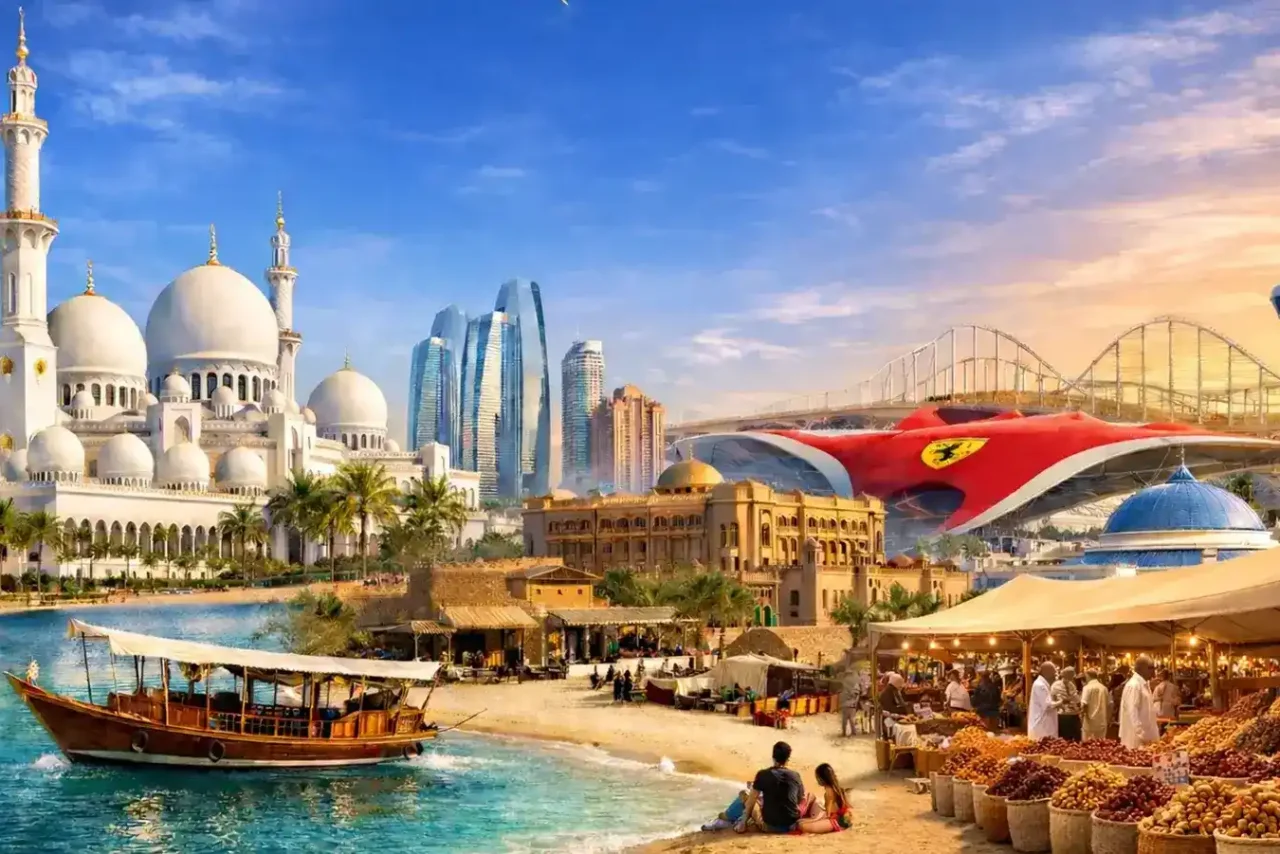

Abu Dhabi stands as the political, economic, and cultural center of the United Arab Emirates, representing a unique blend of heritage and forward-looking urban development. As the capital city, it plays a central role in shaping national policies, economic strategies, and global partnerships. Unlike other cities in the region that grew primarily through trade and tourism, Abu Dhabi’s transformation has been deeply tied to its vast natural resources and long-term vision for diversification.
Positioned on an island along the Arabian Gulf, the city extends seamlessly into mainland districts, forming a metropolitan landscape that balances waterfront living with inland expansion. This geographical structure has influenced everything from urban planning to real estate development, creating a city that is both organized and expansive. Today, Abu Dhabi is not just an administrative capital but also a thriving destination for residents, investors, and global businesses.
Abu Dhabi Historical Evolution and Cultural Foundations
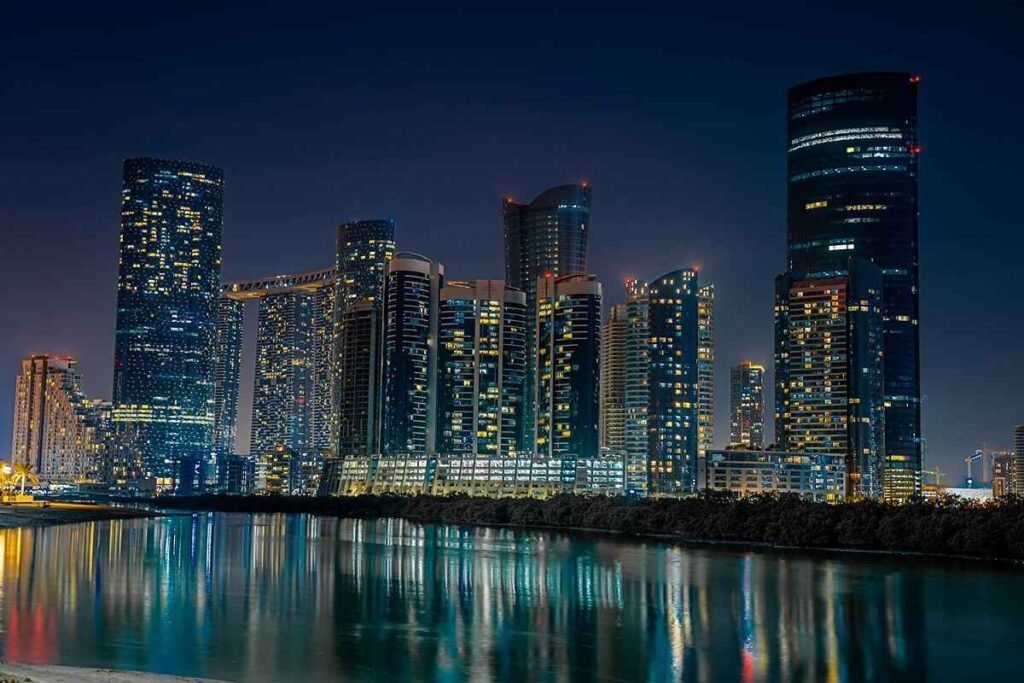
Abu Dhabi’s origins trace back to a modest coastal settlement formed after the discovery of fresh water in the 18th century. Early life revolved around fishing, pearling, and trade, with the community growing gradually around a fort that still stands as a symbol of the city’s beginnings. Before the discovery of oil, the economy was heavily dependent on pearl diving, which connected the region to international trade routes.
The mid-20th century marked a turning point. With the discovery of oil reserves, Abu Dhabi transitioned rapidly from a small settlement into a modern metropolis. Leadership played a critical role in this transformation, focusing on infrastructure, education, and social development. The formation of the United Arab Emirates further strengthened Abu Dhabi’s position as the federal capital, embedding it at the heart of governance and national identity.
Despite its rapid modernization, the city has preserved its cultural essence. Traditional values, architectural influences, and social customs remain visible, offering a balanced coexistence between heritage and innovation. This cultural continuity is one of the defining characteristics that sets Abu Dhabi apart from other global cities.
Abu Dhabi Location, Geography, and Urban Structure
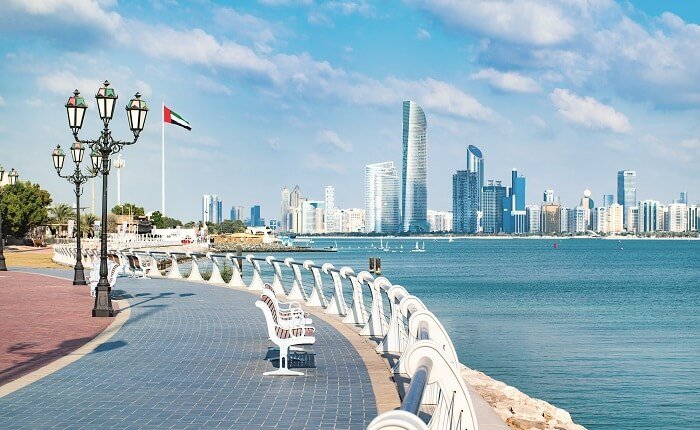
Abu Dhabi’s geographical setting is one of its most distinctive features. The main city is located on a T-shaped island connected to the mainland through multiple bridges, allowing smooth transportation and expansion. Surrounding islands and coastal developments have been integrated into the city’s urban framework, contributing to its diverse residential and commercial zones.
The city’s layout follows a planned grid system, with wide roads, clearly numbered streets, and structured districts. This organized approach simplifies navigation and enhances accessibility. The central island hosts the majority of business and residential towers, while suburban areas on the mainland offer lower-density housing options.
Urban planning initiatives have focused on sustainable growth, incorporating green spaces, waterfront promenades, and mixed-use developments. The long-term vision emphasizes balanced expansion, ensuring that infrastructure keeps pace with population growth and economic activity.
Abu Dhabi Climate and Living Conditions
Abu Dhabi experiences a desert climate characterized by long, hot summers and mild winters. From May to September, temperatures rise significantly, often accompanied by high humidity levels, especially in coastal areas. During this period, indoor and climate-controlled environments dominate daily life.
The winter months, from November to March, offer more comfortable conditions, making it the ideal time for outdoor activities and tourism. Occasional rainfall and cooler temperatures provide a welcome contrast to the intense summer heat.
Despite the challenging summer climate, the city has adapted effectively through modern infrastructure. Air-conditioned public spaces, shaded walkways, and advanced building designs ensure a comfortable lifestyle throughout the year.
Abu Dhabi Key Districts and Neighborhoods
Abu Dhabi’s residential and commercial areas are diverse, each offering a distinct lifestyle and property mix. The central district is the most established, featuring high-rise buildings, business hubs, and proximity to key landmarks. This area appeals to professionals seeking convenience and connectivity.
Saadiyat Island has emerged as a cultural and premium residential destination. Known for its focus on arts, education, and beachfront living, it attracts high-end buyers and investors looking for exclusivity and long-term value.
Yas Island represents the entertainment hub of the city, combining leisure attractions, hospitality developments, and residential communities. It is particularly popular among younger residents and short-term visitors due to its vibrant lifestyle offerings.
Other mainland communities provide more affordable housing options, including villas and family-oriented developments. These areas cater to residents seeking larger living spaces and quieter surroundings while maintaining access to the city center.
Related: Sheikh Zayed Road
Property Market and Real Estate Landscape
Abu Dhabi’s real estate market is characterized by stability, strategic planning, and gradual growth. Unlike more volatile markets, it focuses on long-term sustainability rather than rapid fluctuations. This makes it particularly attractive to investors seeking consistent returns and lower risk exposure.
The city offers a wide range of property types, including:
- High-rise apartments in central districts
- Waterfront residences on islands
- Villas and townhouses in suburban communities
- Mixed-use developments combining residential and commercial spaces
Freehold ownership zones have expanded over time, allowing foreign investors to purchase property in designated areas. This has contributed to increased international interest and market diversification.
Price trends in Abu Dhabi are influenced by factors such as infrastructure development, economic diversification, and population growth. While exact figures vary, the overall trajectory reflects steady demand, particularly in well-planned communities and waterfront locations.
Recommended: Al Bateen
Lifestyle and Amenities
Abu Dhabi offers a high standard of living supported by world-class infrastructure and services. The city is known for its clean environment, safety, and well-maintained public spaces. Residents benefit from a wide range of amenities that cater to both daily needs and leisure activities.
The waterfront plays a central role in the city’s lifestyle. The Corniche, with its long promenade, parks, and beaches, serves as a major recreational area. Families, fitness enthusiasts, and tourists frequent this space throughout the year.
Shopping and dining options are equally diverse. From luxury malls to local markets, the city provides a mix of international brands and traditional experiences. Dining reflects the multicultural population, offering cuisines from around the world alongside authentic regional dishes.
Healthcare and education facilities are of high quality, with numerous international schools and specialized medical centers available. These factors contribute significantly to Abu Dhabi’s appeal as a residential destination.
Economy and Employment Opportunities
Abu Dhabi’s economy is one of the strongest in the region, supported by substantial natural resources and strategic investments. While oil and gas remain important, the government has actively diversified into sectors such as tourism, finance, technology, and renewable energy.
The city hosts major financial institutions, government entities, and multinational corporations. This creates a wide range of employment opportunities across various industries. Infrastructure projects and urban development initiatives further contribute to job creation and economic growth.
Long-term economic strategies focus on sustainability and innovation, aiming to reduce dependency on hydrocarbons. This forward-thinking approach enhances the city’s resilience and attractiveness to global investors.
Transportation and Connectivity
Abu Dhabi features a well-developed transportation network designed to support its growing population and urban expansion. Roads are wide and well-maintained, with multiple bridges connecting the island to mainland areas.
Public transportation includes buses, taxis, and emerging smart mobility solutions. While the city is largely car-dependent, efforts are underway to expand public transport options, including future rail and metro systems.
The international airport serves as a major gateway, connecting Abu Dhabi to global destinations. Continuous upgrades and expansions ensure efficient travel and support the city’s role as a business and tourism hub.
Tourism and Attractions
Tourism plays an increasingly important role in Abu Dhabi’s economy. The city offers a mix of cultural, leisure, and entertainment attractions that appeal to a wide audience.
Cultural landmarks highlight the city’s heritage and artistic vision, while entertainment destinations provide family-friendly experiences. Beaches, parks, and waterfront developments add to the overall appeal, making Abu Dhabi a year-round destination.
The city also hosts international events, exhibitions, and conferences, further strengthening its position as a global destination.
Investment Potential and Risks
Abu Dhabi presents strong investment potential due to its stable economy, strategic planning, and growing real estate market. Investors benefit from:
- Long-term capital appreciation
- High-quality infrastructure
- Government-backed development initiatives
- Increasing foreign ownership opportunities
However, like any market, there are considerations to keep in mind. The pace of growth is more measured compared to other cities, which may not suit investors seeking rapid returns. Additionally, market performance is influenced by global economic conditions and energy sector trends.
Overall, Abu Dhabi is best suited for investors with a long-term perspective who value stability and sustainability.
Pros and Cons of Living in Abu Dhabi
Advantages
Abu Dhabi offers a high quality of life with excellent infrastructure, safety, and amenities. The city’s organized layout and modern facilities make daily living convenient and comfortable. Its multicultural environment ensures a diverse and inclusive community.
Challenges
The hot climate during summer months can be challenging, limiting outdoor activities. The cost of living, particularly in premium areas, can be relatively high. Additionally, reliance on private transportation may be a drawback for some residents.
Who Should Consider Abu Dhabi?
Abu Dhabi is ideal for professionals, families, and investors seeking a balanced lifestyle. It is particularly suitable for:
- Families looking for safe and well-planned communities
- Professionals working in government, finance, or energy sectors
- Investors seeking stable, long-term opportunities
- Individuals who value a quieter, more structured environment compared to other cities
The city’s combination of modern living and cultural depth makes it appealing to a wide range of residents.
FAQs
Is Abu Dhabi a good place to live?
Yes, Abu Dhabi offers a high standard of living, safety, and modern infrastructure, making it one of the most desirable cities in the region.
Can foreigners buy property in Abu Dhabi?
Yes, foreign investors can purchase property in designated freehold areas, which has increased market accessibility.
What is the cost of living in Abu Dhabi?
The cost varies depending on lifestyle and location, with premium areas being more expensive than suburban communities.
How is the job market in Abu Dhabi?
The job market is strong, particularly in sectors such as energy, finance, government, and emerging industries.
Is Abu Dhabi suitable for families?
Absolutely. The city offers excellent schools, healthcare facilities, and family-friendly communities.
Conclusion
Abu Dhabi stands as a model of strategic urban development, combining economic strength with cultural depth and modern infrastructure. Its transformation from a small coastal settlement into a global capital reflects a carefully planned vision focused on sustainability and long-term growth.
For residents, the city offers a balanced lifestyle supported by world-class amenities and a safe environment. For investors, it presents a stable and promising market with consistent growth potential. As Abu Dhabi continues to evolve, it remains a key destination for those seeking opportunity, quality living, and a connection to both tradition and innovation.

Leave a Reply