
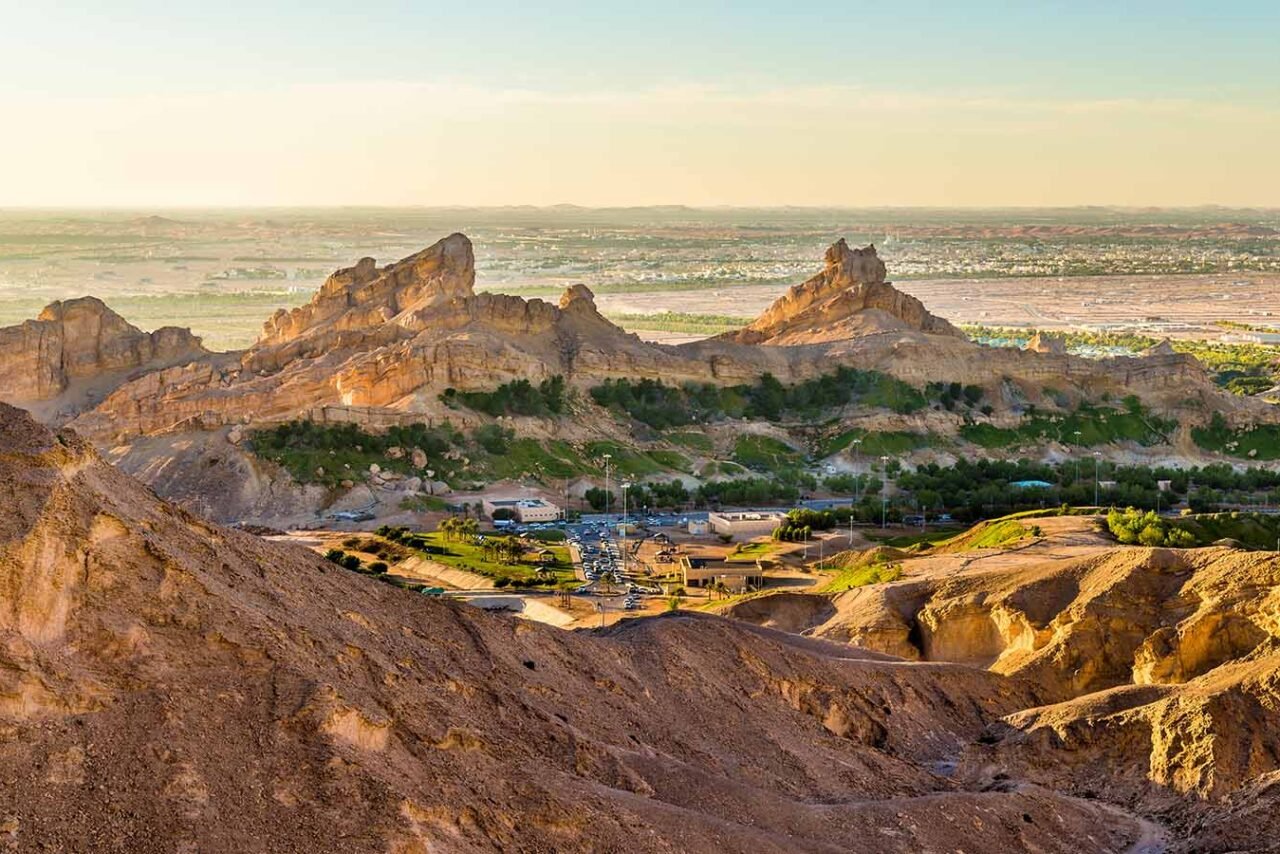

Al Ain stands apart from the fast-paced urban environments typically associated with the United Arab Emirates. Known widely as the “Garden City,” this inland destination offers a rare blend of natural greenery, cultural depth, and modern infrastructure. Located within the Emirate of Abu Dhabi, Al Ain holds both historical and strategic importance, functioning as a major administrative and residential hub in the eastern region of the country.
Unlike coastal cities dominated by high-rise skylines, Al Ain maintains a low-rise urban character due to strict building regulations. This planning approach preserves its traditional charm and ensures a more relaxed lifestyle. The city’s identity is deeply tied to its oasis system, agricultural roots, and heritage landmarks, making it a unique alternative for residents and investors seeking a quieter yet well-connected environment within the UAE.
Al Ain Abu Dhabi Location, Connectivity, and Geographic Significance
Al Ain is strategically positioned near the Oman border, forming part of a geographic triangle with Abu Dhabi and Dubai. Each of these major cities is roughly equidistant, making Al Ain a central inland connector within the UAE. Its proximity to the Omani town of Al Buraimi also enhances cross-border movement and trade, adding to its regional relevance.
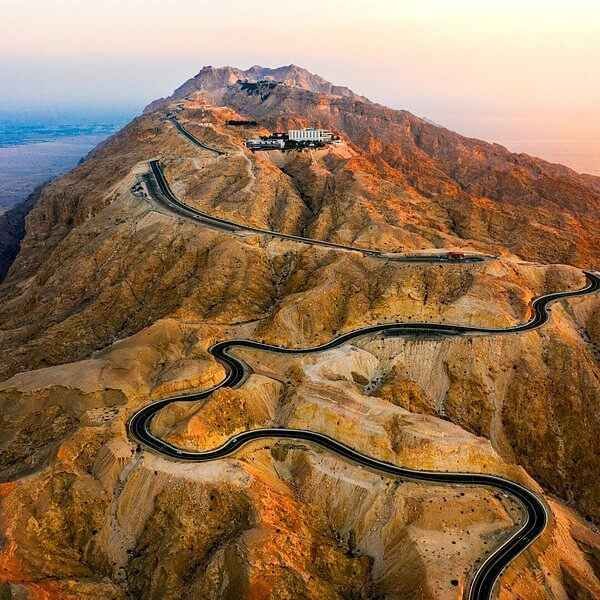
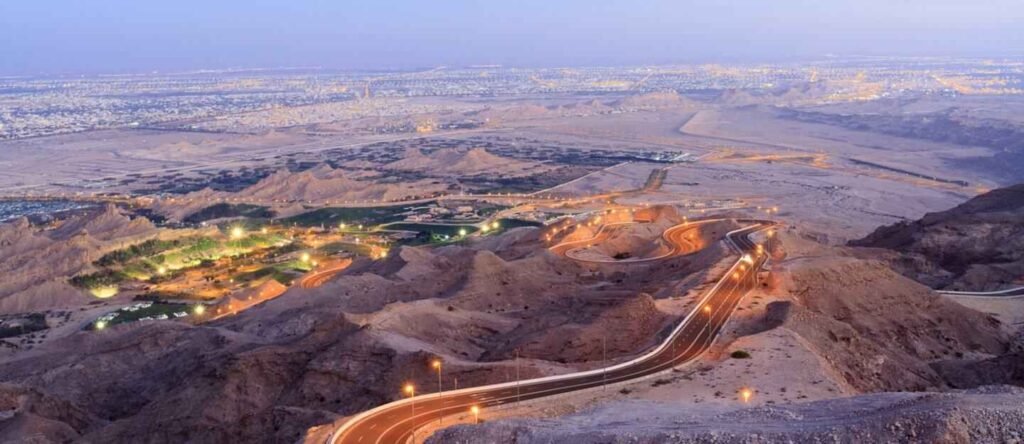
The city spans a vast area characterized by diverse landscapes. From fertile oases and palm groves to rugged mountain terrain and expansive desert plains, Al Ain offers a varied natural setting rarely found elsewhere in the country. The presence of Jebel Hafeet, one of the UAE’s highest peaks, adds a dramatic visual element and creates opportunities for tourism and outdoor recreation.
Road infrastructure is well-developed, with highways connecting Al Ain efficiently to Abu Dhabi and Dubai. This accessibility makes it a viable residential choice for those who prefer a quieter home base while maintaining access to larger economic centers.
Al Ain Climate and Natural Environment
Al Ain experiences a hot desert climate, with long summers and mild winters. However, compared to coastal areas, the city tends to have lower humidity levels, which many residents find more comfortable, particularly during peak summer months. Rainfall is limited but slightly higher than in deeper desert regions, supporting its greenery and agricultural activity.
The environmental appeal of Al Ain is closely tied to its oasis system. These oases, supported by traditional irrigation methods, create pockets of lush vegetation that contrast sharply with the surrounding desert. Tree-lined streets, landscaped roundabouts, and public parks further enhance the city’s reputation as a green urban environment.
Jebel Hafeet plays a key role in shaping the local climate and landscape. The mountain not only provides scenic views but also contributes to ecological diversity in the region. Nearby areas such as Green Mubazzarah, known for its mineral springs and open spaces, add to the city’s natural attractions.
Al Ain Abu Dhabi Historical and Cultural Importance
Al Ain is one of the oldest continuously inhabited settlements in the region, with a history that dates back thousands of years. Archaeological findings, including ancient tombs and artifacts, highlight its role as an early center of human activity. This deep-rooted history is reflected in the city’s preserved forts, museums, and heritage sites.
The traditional falaj irrigation system, which has been used for centuries to distribute water across agricultural land, remains a defining feature of Al Ain. These channels demonstrate advanced engineering techniques developed in arid environments and are recognized for their cultural and historical value.
The city has played a significant role in the formation of the UAE, particularly as the birthplace of the country’s founding leadership. As a result, Al Ain has been carefully developed to preserve its heritage while integrating modern infrastructure, creating a balanced urban identity.
Recommended: Musaffah Abu Dhabi Area Guide
Al Ain Key Residential Areas and Neighborhoods
Al Ain is composed of several well-defined districts, each offering a distinct living experience. The Central District serves as the commercial and social core of the city, with a mix of retail outlets, dining options, and essential services. Streets such as Zayed Bin Sultan Street and Khalifa Street are known for their commercial activity, making this area ideal for those who prefer urban convenience.
Al Mutawaa and Al Jahili are among the most culturally rich neighborhoods. These areas are home to historic landmarks, palm groves, and traditional architecture, providing a more authentic living environment. The presence of heritage sites and green spaces enhances their appeal for families and individuals seeking a peaceful lifestyle.
The Industrial Area plays a vital role in the local economy, supporting manufacturing, logistics, and related industries. While primarily commercial, it also includes residential zones catering to workers and professionals in nearby sectors.
Other residential communities such as Al Salamat, Al Nahil, and Falaj Hazzaa offer quieter suburban living. These areas are characterized by spacious villas, community-focused layouts, and proximity to natural surroundings, making them particularly attractive for families.
Al Ain Property Types and Housing Options
The real estate landscape in Al Ain differs significantly from that of major metropolitan areas like Dubai. The market is dominated by low-rise developments, with a strong emphasis on villas and standalone homes. This aligns with the city’s planning regulations and its focus on spacious, family-oriented living.
Apartments are available, particularly in central areas, but they are typically limited in height and density. These units cater to professionals, students, and smaller households, offering a more affordable entry point into the housing market.
Villas range from traditional-style homes to modern residences with contemporary designs. Many properties include private gardens, parking spaces, and larger plot sizes compared to urban counterparts in other emirates. This makes Al Ain particularly appealing for those prioritizing space and privacy.
Real Estate Market Trends and Insights
The property market in Al Ain is generally more stable and less volatile than in larger cities. Demand is driven primarily by end-users rather than speculative investors, contributing to steady price movements and long-term sustainability.
Rental properties remain in demand, especially among professionals working in education, healthcare, and government sectors. The presence of universities and institutions further supports consistent occupancy rates.
While property prices are relatively lower compared to Dubai and Abu Dhabi, the market offers solid value for money. Buyers can access larger living spaces at more competitive rates, making Al Ain an attractive option for both residents and long-term investors.
For those exploring opportunities across the country, it is beneficial to compare this market with other regions through resources such as Abu Dhabi Area Guide.
Al Ain Lifestyle and Amenities
Life in Al Ain is defined by its calm and community-oriented atmosphere. The city offers a balanced lifestyle with access to modern amenities while maintaining a strong connection to nature and heritage.
Shopping options include a range of malls such as Al Ain Mall, Al Jimi Mall, and Bawadi Mall. These centers provide retail outlets, dining experiences, and entertainment facilities, catering to everyday needs and leisure activities.
Traditional markets, including the well-known camel market, offer a glimpse into local culture and trade practices. These spaces add authenticity to the shopping experience and attract both residents and visitors.
Education is a key strength of Al Ain, with several reputable institutions and universities contributing to its academic environment. Healthcare facilities are also well-developed, ensuring access to quality medical services.
Outdoor living is a major highlight. Parks, cycling paths, and recreational areas are widely available, encouraging an active lifestyle. Attractions such as Al Ain Oasis and Jebel Hafeet Desert Park provide opportunities for exploration and relaxation.
Transportation and Accessibility
Transportation in Al Ain is primarily car-oriented, with well-maintained roads and minimal congestion compared to larger cities. Driving remains the most convenient way to navigate the city and access surrounding areas.
Public transport options are available but limited, making private vehicles the preferred mode of travel for most residents. Parking is generally accessible and affordable, even in busier districts.
The city’s connectivity to Abu Dhabi and Dubai enhances its appeal for commuters and businesses. Additionally, its proximity to the Oman border allows for easy cross-border travel, adding another layer of convenience.
Investment Potential and Considerations
Al Ain presents a unique investment profile within the UAE real estate market. Its stability, affordability, and focus on end-user demand make it a lower-risk environment compared to more speculative markets.
The city’s ongoing development, combined with government support for infrastructure and sustainability, contributes to its long-term growth potential. However, investors should consider that capital appreciation may be slower than in high-growth urban centers.
Rental yields can be attractive, particularly in areas with strong demand from professionals and students. The key to successful investment lies in understanding the local market dynamics and selecting properties aligned with long-term demand.
For broader context, investors can explore comparisons through resources like [Link to Buy Property in UAE] or [Link to Real Estate Investment Guide].
Pros and Cons of Living in Al Ain
Al Ain offers a range of advantages that appeal to specific demographics. Its peaceful environment, spacious housing, and strong sense of community make it ideal for families and individuals seeking a slower pace of life.
However, it may not suit those who prefer the vibrant nightlife and fast-paced lifestyle found in larger cities. Limited public transport and fewer entertainment options are factors to consider.
Overall, the city’s strengths lie in its livability, affordability, and cultural richness, while its limitations are primarily related to its quieter nature and distance from major business hubs.
Who Should Consider Living in Al Ain
Al Ain is particularly well-suited for families, professionals in stable sectors, and retirees looking for a शांत and comfortable lifestyle. Its educational institutions, healthcare facilities, and safe environment make it a practical choice for long-term living.
It is also ideal for individuals who value space, greenery, and a connection to heritage. Those working in nearby cities but preferring a quieter home environment may find Al Ain to be a compelling option.
FAQs
Is Al Ain a good place to live?
Al Ain is widely regarded as one of the most livable cities in the UAE for those seeking a शांत, family-friendly environment with access to essential amenities and natural surroundings.
How does Al Ain compare to Dubai and Abu Dhabi?
Al Ain offers a slower pace of life, lower property costs, and more space, while Dubai and Abu Dhabi provide greater job opportunities, entertainment, and urban experiences.
What types of properties are available in Al Ain?
The market is dominated by villas and low-rise apartments, with a strong emphasis on spacious and family-oriented housing.
Is Al Ain suitable for property investment?
Yes, particularly for long-term investment focused on rental income and stable growth rather than rapid capital appreciation.
Conclusion
Al Ain stands as a distinctive and valuable part of the UAE’s urban landscape. Its combination of historical depth, natural beauty, and modern infrastructure creates a balanced living environment that differs significantly from the country’s coastal cities. While it may not offer the fast-paced lifestyle of major metropolitan areas, it compensates with tranquility, space, and a strong sense of community.
For residents, it provides a high quality of life rooted in tradition and sustainability. For investors, it offers stability and long-term potential in a less volatile market. As the UAE continues to evolve, Al Ain remains a testament to the importance of preserving heritage while embracing progress.

Leave a Reply