
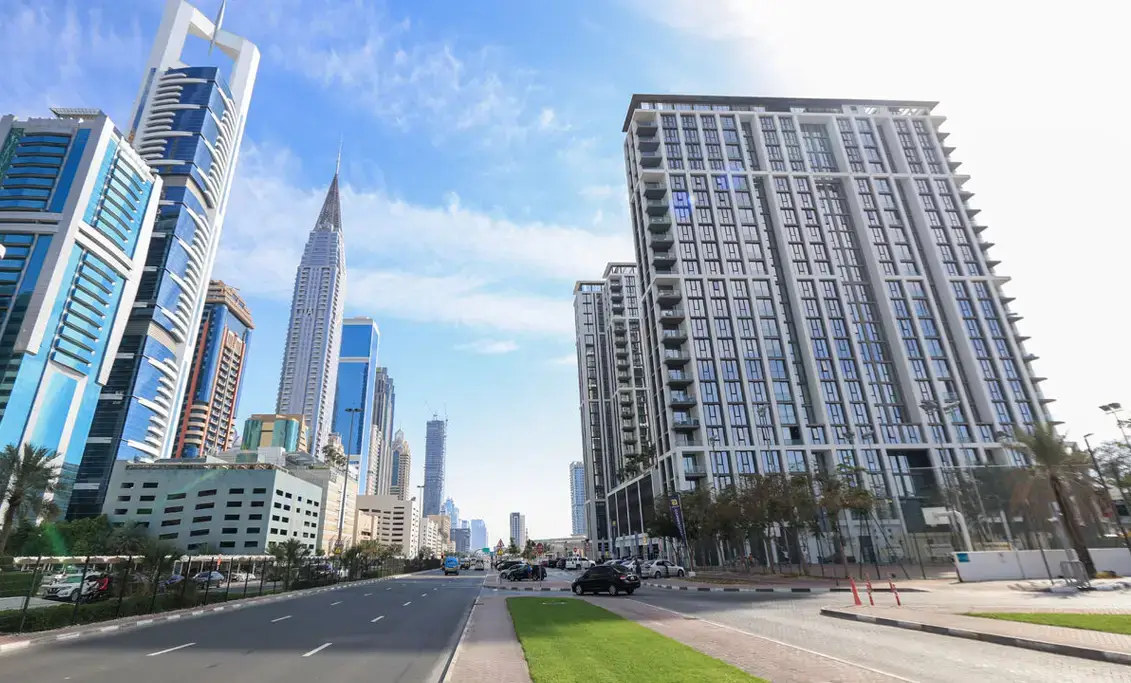

Jumeirah Garden City is one of Dubai’s most strategically positioned freehold redevelopment communities, located in the heart of Al Satwa and running parallel to Sheikh Zayed Road. Planned as a medium-density mixed-use district, the development reflects Dubai’s broader urban transformation strategy by replacing older low-rise plots with modern mid-rise residential and commercial buildings designed for contemporary city living.
Developed by Meraas, the project introduces a vertical community concept focused on walkability, connectivity and integrated urban infrastructure. Unlike suburban villa districts that emphasize large gated compounds, Jumeirah Garden City is designed as a compact and active urban environment where residential buildings, retail spaces, cafés, offices and lifestyle facilities coexist within a connected street grid.
The community appeals strongly to professionals, investors and residents seeking central Dubai access without paying premium Downtown or DIFC prices. Its proximity to major business districts, beaches, lifestyle destinations and transport corridors makes it one of the more promising redevelopment zones in the city’s evolving real estate landscape.
Although sections of the district are still under development, the long-term vision positions Jumeirah Garden City as a high-demand residential and investment destination with strong growth potential.
Jumeirah Garden City Location and Strategic Connectivity
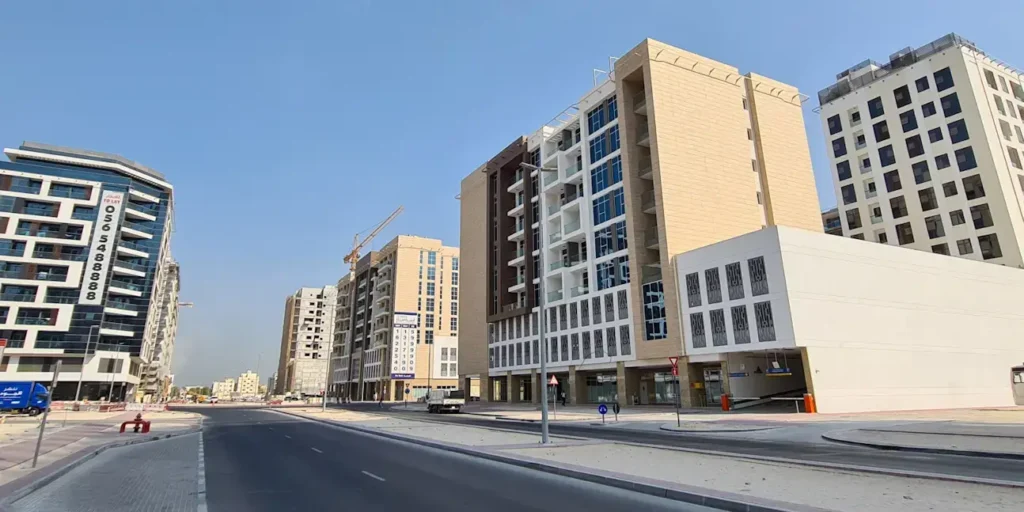
One of the strongest advantages of Jumeirah Garden City is its central location. The district sits directly beside Sheikh Zayed Road, giving residents rapid connectivity to major commercial and lifestyle destinations across Dubai.
The area is positioned between Al Satwa and the Sheikh Zayed Road corridor, placing it within short driving distance of some of Dubai’s most important urban centers. Residents can typically reach Downtown Dubai, DIFC, City Walk and Dubai World Trade Centre within approximately 5 to 10 minutes, depending on traffic conditions.
Nearby districts include:
- Al Satwa
- Jumeirah
- Al Wasl
- Al Badaa
- Downtown Dubai
- Dubai International Financial Centre
This connectivity significantly increases the appeal of the community for working professionals employed in business hubs such as Business Bay, DIFC and Trade Centre. The location also benefits residents who frequently commute across Dubai because Sheikh Zayed Road serves as the city’s primary transportation artery.
For public transportation users, multiple bus stops are accessible within walking distance, while metro connectivity is available through nearby stations including Emirates Towers and World Trade Centre Metro Station.
The combination of road access, public transport options and central positioning gives Jumeirah Garden City a strong competitive advantage over many newer suburban communities.
Jumeirah Garden City Master Plan and Urban Development Vision
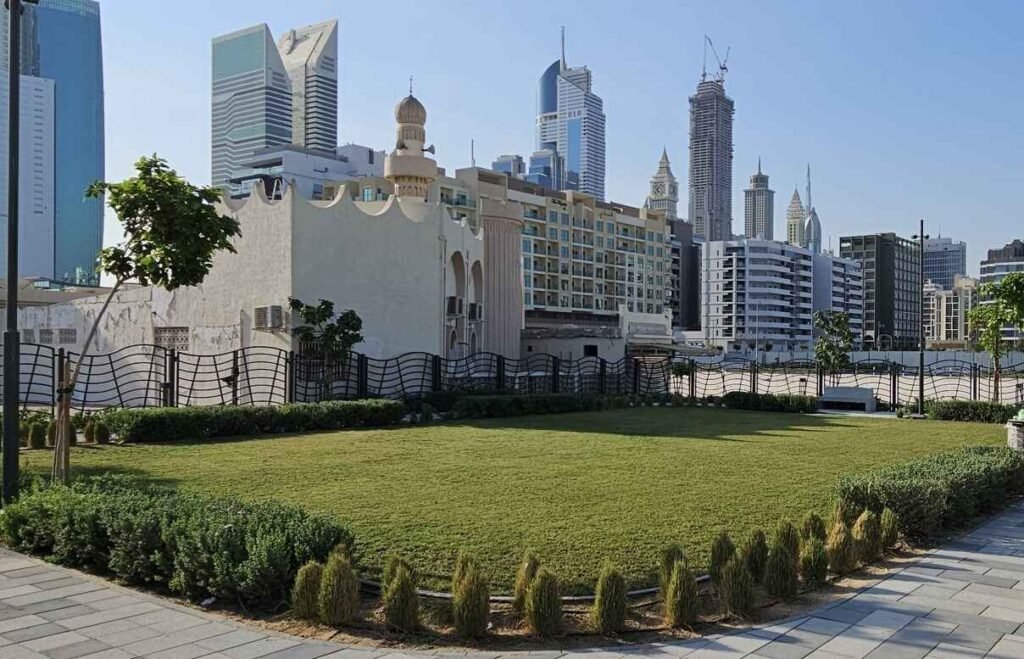
The master plan behind Jumeirah Garden City reflects a broader urban redevelopment strategy aimed at modernizing older districts surrounding central Dubai. The project covers a substantial land area and was conceptualized as a large-scale transformation initiative within Dubai’s long-term urban planning framework.
The community is primarily composed of freehold plots with permission for developments up to ground plus eight floors. This controlled building height distinguishes the area from high-rise tower districts and creates a more balanced urban atmosphere with greater pedestrian friendliness and street-level activity.
The development is divided into multiple phases, with several plots already developed while others remain under construction or available for future projects. The phased redevelopment strategy allows gradual infrastructure expansion and creates opportunities for both developers and investors.
A key objective of the master plan is the creation of a walkable city environment. Rather than isolated residential towers, the district emphasizes interconnected streets, retail promenades, landscaped spaces and integrated amenities. Ground-floor commercial units are expected to activate the streetscape and contribute to a more vibrant urban lifestyle.
The original broader vision also included sustainability-driven planning concepts such as pedestrian pathways, public transportation integration and environmentally conscious urban design principles. These elements align with Dubai’s wider efforts toward sustainable city development and smarter urban infrastructure.
Community Lifestyle and Living Experience
Jumeirah Garden City offers a distinctly urban lifestyle that differs considerably from Dubai’s suburban master communities. The atmosphere is designed around convenience, accessibility and modern city living.
Residents benefit from a dynamic neighborhood environment where cafés, local restaurants, gyms, salons, clinics and retail outlets are integrated directly into the community fabric. This setup encourages walking and daily social interaction while reducing reliance on long-distance travel for essential services.
Unlike villa-focused districts with large private spaces, Jumeirah Garden City caters more toward apartment living and active city lifestyles. The streets are expected to become increasingly lively as additional residential and commercial projects are completed.
The location also allows residents to enjoy both traditional and modern Dubai experiences simultaneously. Al Satwa’s long-established retail streets and local eateries remain nearby, while premium lifestyle destinations such as City Walk and Jumeirah’s beachfront attractions are only a short drive away.
This balance creates a multicultural and practical living environment suitable for professionals, entrepreneurs and urban-focused residents seeking convenience and connectivity.
Property Types in Jumeirah Garden City
The real estate landscape within Jumeirah Garden City is dominated by mid-rise apartment buildings and mixed-use developments. Most properties are designed according to the community’s G+8 development guidelines, ensuring architectural consistency throughout the district.
Residential inventory mainly includes:
- Studio apartments
- One-bedroom apartments
- Two-bedroom apartments
- Select three-bedroom units
- Freehold residential plots
- Mixed-use commercial plots
Apartment sizes generally cater to professionals and small families seeking efficient urban layouts. Many developments feature contemporary designs, balconies, parking spaces and integrated retail components.
Commercial opportunities are also an important part of the district. Ground-floor retail units, office spaces and hospitality developments contribute to the area’s mixed-use identity and create additional investment appeal.
The availability of freehold plots remains one of the area’s most notable features. Investors and developers are attracted to the flexibility offered by these plots, especially given the scarcity of centrally located freehold land in Dubai.
As redevelopment continues, the community is expected to see increasing architectural diversity, upgraded public spaces and higher-quality residential offerings.
Real Estate Investment Potential
Jumeirah Garden City has emerged as an increasingly attractive destination for property investors due to its redevelopment potential, central location and freehold status.
One of the primary drivers of investment interest is the area’s strategic location near Dubai’s major commercial districts. Professionals working in DIFC, Downtown Dubai and Business Bay often seek rental accommodation close to their workplaces, creating strong long-term rental demand.
Compared with premium luxury districts, Jumeirah Garden City can offer relatively better value while still maintaining central accessibility. This positioning makes it appealing for investors targeting mid-market and upper-mid-market rental segments.
The ongoing redevelopment process may also contribute to future capital appreciation as infrastructure improves and additional projects are completed. Historically, centrally located redevelopment zones in Dubai have demonstrated strong long-term growth potential once construction phases mature.
Several factors support the area’s investment outlook:
Central Urban Location
Properties close to Sheikh Zayed Road and major business hubs tend to maintain strong occupancy rates and rental demand.
Freehold Ownership
The availability of freehold plots and apartments increases the community’s appeal among both local and international investors.
Redevelopment Upside
As older plots transform into modern developments, the overall quality and desirability of the district are expected to improve further.
Medium-Density Planning
The G+8 restriction helps prevent excessive overcrowding while maintaining urban density and walkability.
Despite these strengths, investors should also consider the transitional nature of the district. Construction activity remains ongoing in several sections, and infrastructure development may continue evolving over time.
Transportation and Accessibility
Transportation infrastructure is one of the defining strengths of Jumeirah Garden City. The community benefits from direct proximity to Sheikh Zayed Road, allowing residents fast movement across Dubai.
Major destinations accessible within short driving times include:
| Destination | Approximate Travel Time |
|---|---|
| Dubai World Trade Centre | 5 minutes |
| City Walk | 7 minutes |
| Downtown Dubai | 10 minutes |
| DIFC | 10 minutes |
| Jumeirah Beaches | 10 to 15 minutes |
The district is also supported by strong public transport connectivity. Several bus stops serve the surrounding Satwa area, improving mobility for residents without private vehicles.
Nearby transportation options include:
- Khadri Masjid Bus Stop
- Satwa Square Bus Stop
- Wasl School Bus Stop
- Emirates Towers Metro Station
- World Trade Centre Metro Station
The accessibility factor significantly enhances the community’s residential appeal, particularly among young professionals and daily commuters.
Schools, Healthcare and Daily Conveniences
Residents of Jumeirah Garden City have access to a broad range of essential facilities due to the area’s central location and surrounding infrastructure.
For grocery shopping and household needs, residents can access nearby supermarkets within walking distance. Local retail options are supported by Al Satwa’s long-established commercial environment, which includes pharmacies, salons, tailoring shops and convenience stores.
Healthcare services are also readily accessible. Clinics and medical centers in nearby business districts provide residents with multiple healthcare options within short driving distances.
Educational facilities in surrounding areas further enhance the practicality of the community for families, although the district itself is more heavily oriented toward professionals and apartment-based living.
Religious facilities such as local mosques are conveniently integrated within the surrounding neighborhood, supporting community accessibility and daily convenience.
Shopping, Dining and Entertainment
Jumeirah Garden City benefits from close proximity to some of Dubai’s most popular retail and entertainment destinations.
Residents can easily reach nearby malls including:
- Mercato Shopping Mall
- Town Centre Jumeirah
- Palm Strip Mall
- The Village Mall
Dining options are another major advantage of the area. Residents have access to both local eateries in Satwa and upscale restaurants in nearby lifestyle destinations such as City Walk and Jumeirah Beach areas.
The neighborhood’s multicultural environment contributes to a diverse culinary scene featuring Middle Eastern, Asian, Indian and international cuisine.
Entertainment and leisure attractions nearby include:
- The Green Planet
- Dubai Garden Glow
- J1 Beach
This accessibility to lifestyle infrastructure enhances the overall attractiveness of the district for residents seeking an active urban environment.
Beaches and Outdoor Lifestyle
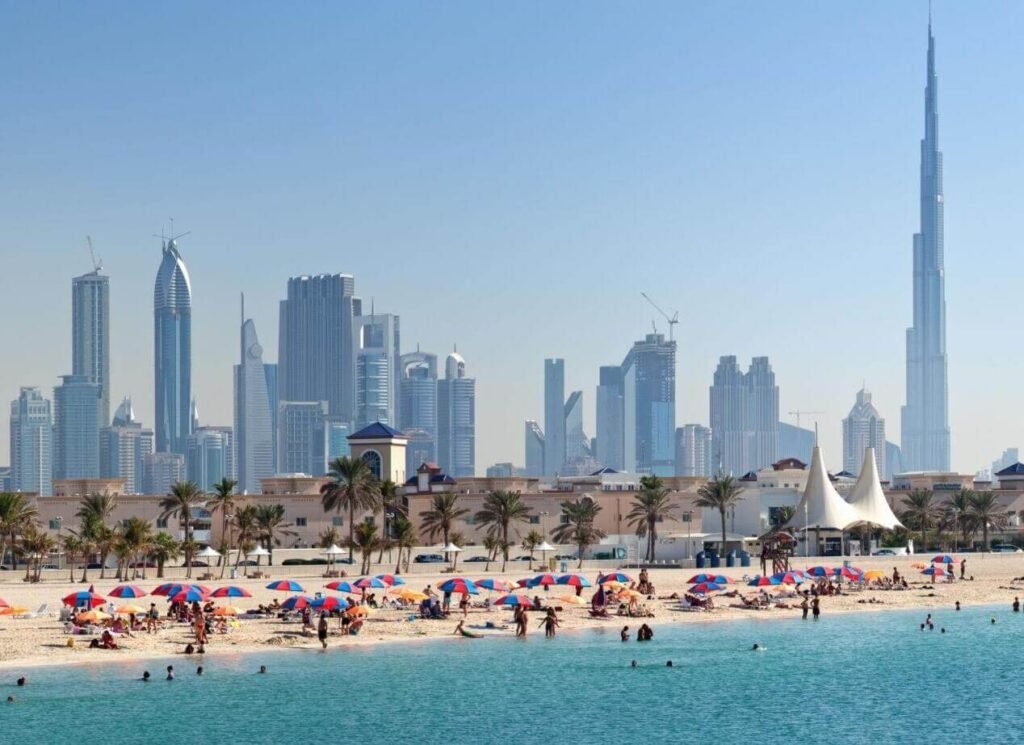
Although Jumeirah Garden City is not a beachfront development, it maintains excellent access to Dubai’s coastal destinations.
Residents can typically reach popular beaches within 10 to 15 minutes by car, making weekend leisure activities highly convenient.
Nearby beach destinations include:
- Jumeirah Beach
- Mercato Beach
- J1 Beach
Outdoor recreation is further supported by nearby parks such as Al Satwa Park and Al Wasl Park, where residents can enjoy jogging tracks, walking areas and recreational spaces.
Fitness enthusiasts also benefit from numerous gyms and boutique fitness studios located throughout the surrounding areas.
Pros and Cons of Living in Jumeirah Garden City
Every Dubai community offers a different lifestyle proposition, and Jumeirah Garden City is particularly suited to residents seeking urban convenience and long-term investment potential.
Advantages
The community’s biggest advantage is its highly central location. Residents enjoy fast access to major business districts, lifestyle hubs and transportation corridors without paying the premium associated with ultra-luxury neighborhoods.
The walkable mixed-use environment creates a more connected urban lifestyle compared with isolated suburban developments. Freehold ownership opportunities and redevelopment potential also strengthen the investment appeal of the district.
Challenges
The community remains partially under development, which means certain areas may still experience construction activity, infrastructure expansion and temporary disruptions.
The district is also more apartment-oriented than villa-oriented, making it less suitable for buyers specifically seeking large family homes with expansive outdoor spaces.
Additionally, because the area is evolving rapidly, the final character of some sub-communities may continue changing over the coming years.
Who Should Live in Jumeirah Garden City?
Jumeirah Garden City appeals to a wide range of residents, but it is particularly attractive for urban professionals, investors and individuals seeking central Dubai connectivity.
The area is ideal for:
- Professionals working in DIFC, Downtown or Business Bay
- Investors seeking long-term appreciation potential
- Residents who prefer walkable city environments
- Buyers searching for centrally located freehold property
- Tenants seeking relatively better value near Sheikh Zayed Road
Families can also benefit from the location, although those prioritizing large villas and suburban landscapes may prefer alternative communities.
The district is especially suitable for residents who value convenience, accessibility and proximity to Dubai’s business and entertainment hubs.
Comparison with Nearby Communities
Jumeirah Garden City occupies a unique position between older traditional neighborhoods and newer master-planned urban developments.
| Community | Main Characteristic |
|---|---|
| Al Satwa | Traditional mixed-use urban district |
| Jumeirah Garden City | Redeveloped freehold vertical community |
| Jumeirah 1 | Premium coastal residential area |
| City Walk | Luxury lifestyle-focused urban destination |
| Downtown Dubai | High-rise luxury and tourism hub |
Compared with Downtown Dubai, Jumeirah Garden City offers a more mid-density residential environment with potentially greater affordability. Compared with Al Satwa, it provides a more modern urban planning approach and newer development opportunities.
FAQs
Where is Jumeirah Garden City located?
Jumeirah Garden City is located in Al Satwa, Dubai, directly parallel to Sheikh Zayed Road and close to Downtown Dubai and DIFC.
Is Jumeirah Garden City freehold?
Yes, the community offers freehold plots and properties, making it accessible to both local and international investors.
What types of properties are available?
The area mainly includes apartment buildings, mixed-use developments, retail spaces and freehold residential plots.
Who developed Jumeirah Garden City?
The project was developed by Meraas.
What is the permitted building height?
Most developments in the community are permitted up to ground plus eight floors according to planning regulations.
Is Jumeirah Garden City a good investment?
The community shows strong investment potential due to its central location, redevelopment status, freehold ownership structure and proximity to major business districts.
Is the area suitable for families?
The area can suit small and medium-sized families, although it is more heavily focused on apartment living rather than large villa communities.
Are beaches accessible from the community?
Yes, several beaches in Jumeirah can be reached within approximately 10 to 15 minutes by car.
Conclusion
Jumeirah Garden City represents one of Dubai’s most strategically positioned urban redevelopment communities. Combining freehold ownership, central connectivity and medium-density planning, the district offers a compelling alternative to both high-rise luxury zones and distant suburban neighborhoods.
Its location near Sheikh Zayed Road, Downtown Dubai and DIFC gives it long-term residential and investment relevance, while the ongoing transformation of Al Satwa continues to enhance the area’s future potential. The community’s walkable design, integrated retail environment and urban lifestyle concept make it particularly attractive for professionals and investors seeking convenience and accessibility.
Although parts of the district are still evolving, Jumeirah Garden City has already established itself as a promising mixed-use destination with strong prospects for future growth, rental demand and capital appreciation within Dubai’s competitive real estate market.

Leave a Reply