
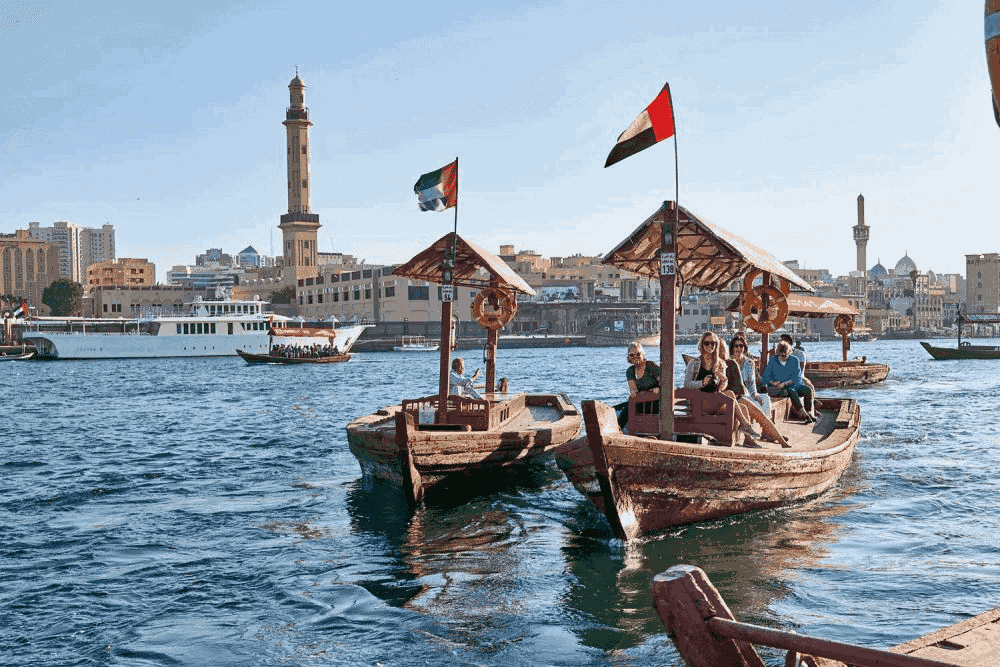

What Is Bur Dubai?
Bur Dubai is the historic heart of Dubai and the city’s original urban settlement. Located on the western (southern) bank of Dubai Creek, this district represents the foundation of Dubai’s transformation from a small trading and pearl-diving port into a global metropolis. Unlike the glass towers of Downtown or Dubai Marina, Bur Dubai is defined by heritage quarters, low-rise neighborhoods, traditional souks, mosques, and long-established residential communities.
From a real estate and lifestyle perspective, Bur Dubai occupies a unique position in Dubai’s urban fabric. It combines cultural significance, strong infrastructure, affordability, and exceptional connectivity, making it relevant for residents, investors, and visitors seeking “Old Dubai” character without losing access to modern conveniences.
Bur Dubai Location & Urban Context Within Dubai
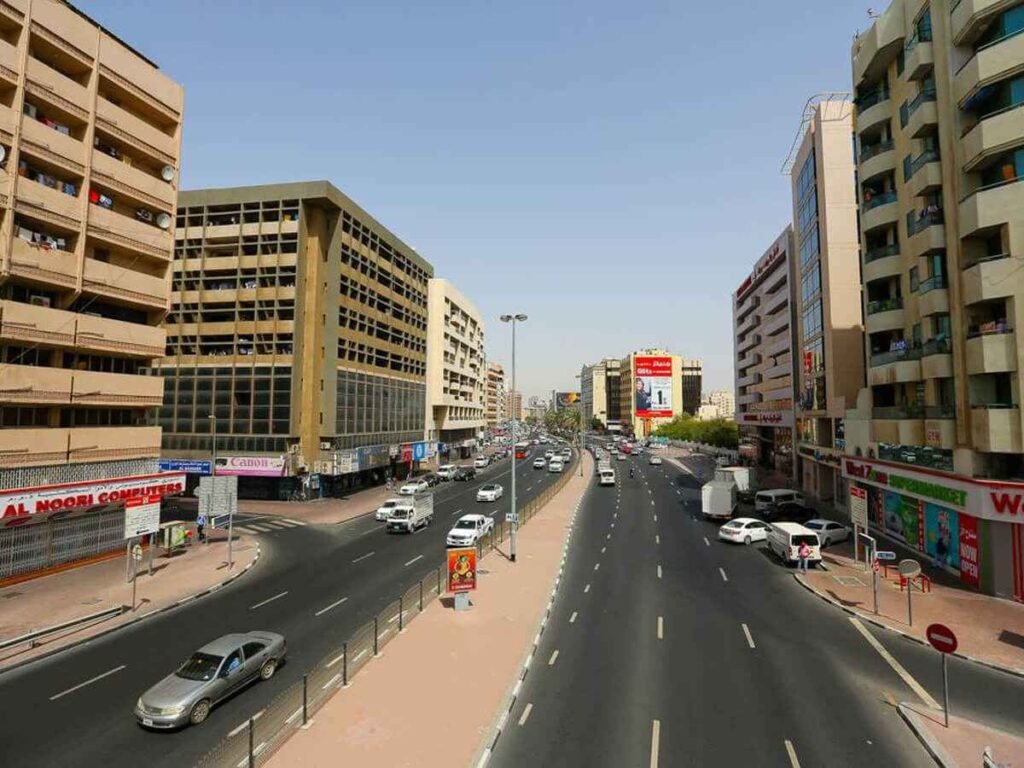
Bur Dubai sits directly opposite Deira, separated by Dubai Creek, and acts as a historical and functional bridge between Old Dubai and New Dubai. The area includes several well-known sub-communities:
- Al Fahidi (Al Bastakiya) – Dubai’s most iconic heritage district
- Al Mankhool – Residential and mixed-use hub with apartments and hotels
- Al Raffa – Creek-facing zone with promenades and commercial buildings
- Al Karama – Dense residential area known for affordability and dining
- Oud Metha – Institutional and residential pocket near healthcare and education zones
Its proximity to Sheikh Zayed Road, Zabeel Park, Downtown Dubai, and Port Rashid positions Bur Dubai as a central and well-connected district rather than a peripheral “old town.”
Bur Dubai Historical & Cultural Significance
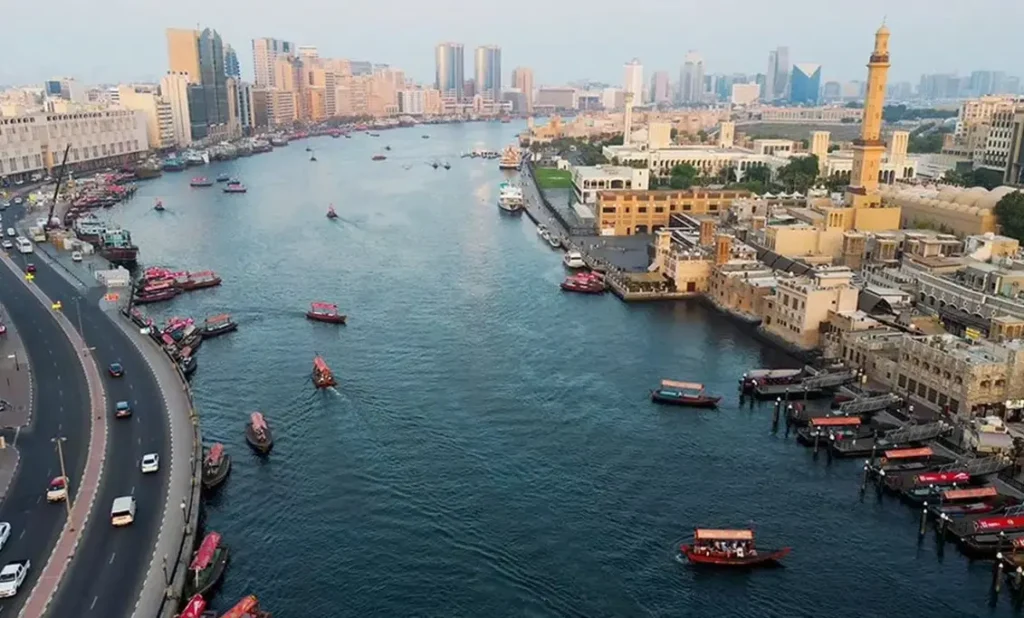
Bur Dubai is where Dubai’s story began. Long before modern ports and airports, dhows docked along the creek here, unloading textiles, spices, electronics, and goods that powered Dubai’s early trade economy. Even today, traditional wooden dhows still operate along the creek, reinforcing the area’s commercial continuity.
Key Cultural & Heritage Landmarks
Al Fahidi Historical Neighbourhood
This restored heritage quarter showcases coral stone and gypsum buildings with wind towers, narrow sikkas (lanes), and internal courtyards. It is home to museums, art spaces, and the Sheikh Mohammed Centre for Cultural Understanding, which plays a central role in preserving Emirati traditions.
Dubai Museum & Al Fahidi Fort
Housed in Dubai’s oldest standing structure, this museum documents Dubai’s evolution from fishing village to global city, forming part of the broader Old Dubai museum ecosystem.
Sheikh Saeed Al Maktoum House
Once the residence of Dubai’s former ruler, this site now displays historical documents and photographs illustrating governance, trade, and daily life in early Dubai.
Grand Mosque & Iranian Mosque
The Grand Mosque features Dubai’s tallest minaret and accommodates over 1,000 worshippers, while the Iranian Mosque is known for its intricate Persian tilework and cultural symbolism.
Lifestyle & Everyday Living in Bur Dubai
Bur Dubai offers a lifestyle that is authentic, walkable, and community-driven. Streets are lively, shops are locally owned, and daily needs are easily accessible without long commutes. The area appeals to residents who value convenience, cultural diversity, and affordability over luxury branding.
Walkability & Street Life
Bur Dubai is one of the most walkable districts in Dubai. Exploring on foot is often faster than driving, especially within Al Fahidi, Al Seef, and the creekside areas. Walking routes naturally connect heritage zones, souks, mosques, cafés, and waterfront promenades.
Dining & Food Scene
The district is especially known for its affordable and mid-range dining options, with a strong presence of Indian, Pakistani, Iranian, and Arabic cuisine. Casual eateries dominate, reflecting the area’s multicultural population, while creekside restaurants and dhow dinner cruises add evening ambiance.
Shopping & Souks
Shopping in Bur Dubai is experience-driven rather than mall-centric. The Textile Souk and Meena Bazaar are well-known for fabrics, tailoring, jewelry, electronics, and souvenirs. For conventional retail, nearby malls such as City Centre Al Shindagha and Wafi Mall complement the local markets.
Recreation, Parks & Modern Attractions
Despite its historic character, Bur Dubai integrates modern attractions and green spaces.
Dubai Frame & Zabeel Park
The Dubai Frame offers panoramic views contrasting Old Dubai and New Dubai, while Zabeel Park provides family-friendly outdoor space.
Creek Park
One of Dubai’s oldest parks, Creek Park features botanical gardens, children’s areas, and the Dubai Dolphinarium.
Al Seef
A redeveloped waterfront district designed in a heritage architectural style, blending traditional aesthetics with contemporary dining and retail.
Transportation & Connectivity
Connectivity is one of Bur Dubai’s strongest attributes.
Public Transport
Bur Dubai is served extensively by the Dubai Metro Green Line, with stations such as Al Fahidi, Al Ghubaiba, and BurJuman. BurJuman acts as a key interchange with the Red Line, offering direct access to Downtown Dubai, Dubai Mall, and Dubai Marina.
Abras & Water Transport
Traditional abras run continuously across Dubai Creek, connecting Bur Dubai to Deira. These short crossings are not only practical but also culturally significant.
Road Infrastructure & Future Development
Multiple bridges and the Al Shindagha Tunnel connect Bur Dubai to Deira and northern Dubai. Planned infrastructure upgrades, including new bridge connections toward Dubai Islands, are expected to further improve accessibility and long-term value.
Property Types & Real Estate Landscape
Bur Dubai’s property market is primarily residential and mixed-use, characterized by low- to mid-rise developments.
Common Property Options
- Studio and one-bedroom apartments
- Family-sized apartments in older buildings
- Serviced apartments and budget to mid-range hotels
- Limited commercial and office spaces
High-rise luxury towers are rare, which preserves the area’s traditional skyline but also limits supply.
Price Trends & Market Positioning
Bur Dubai is considered one of Dubai’s more affordable central districts. Property prices and rents are generally lower than Downtown Dubai or Business Bay, while offering superior connectivity and established infrastructure.
Demand is driven by long-term residents, professionals, and investors seeking stable rental yields rather than speculative appreciation.
Investment Potential & Risk Factors
Investment Strengths
- Central location with proven demand
- Strong rental occupancy
- Cultural and tourism relevance
- Limited large-scale new supply
Investment Considerations
- Older building stock requires due diligence
- Limited luxury segment growth
- Slower capital appreciation compared to new master-planned areas
For investors prioritizing yield stability and resilience over short-term gains, Bur Dubai remains a strategic option.
Pros & Cons of Living in Bur Dubai
Advantages
Bur Dubai offers cultural depth, excellent transport links, walkability, affordability, and everyday convenience rarely matched by newer districts.
Challenges
Traffic congestion during peak hours, limited parking, and fewer modern high-rise amenities may not suit buyers seeking luxury living.
Who Is Bur Dubai Best For?
Bur Dubai is ideal for:
- Residents who value culture and community
- Budget-conscious families and professionals
- Investors targeting rental stability
- First-time buyers seeking central Dubai access
Those seeking ultra-modern architecture or resort-style living may prefer newer developments elsewhere.
FAQs
What is Bur Dubai famous for?
Bur Dubai is known for its heritage districts, traditional souks, Dubai Creek, and role as the city’s original settlement.
Which areas are included in Bur Dubai?
Key areas include Al Fahidi, Al Karama, Al Mankhool, Al Raffa, and Oud Metha.
What is the difference between Dubai and Bur Dubai?
Dubai refers to the entire city, while Bur Dubai is a historic district within it, specifically on the western side of Dubai Creek.
Is Bur Dubai better than Deira?
Both are part of Old Dubai. Bur Dubai is often preferred for residential living and connectivity, while Deira is more commerce-focused.
Conclusion
Bur Dubai remains one of Dubai’s most authentic and strategically located districts. Its historical importance, cultural depth, affordability, and transport connectivity make it a timeless part of the city’s real estate and lifestyle landscape. While it may not offer the glamour of newer developments, Bur Dubai delivers something increasingly rare in Dubai: identity, continuity, and everyday livability. For residents and investors seeking substance over spectacle, Bur Dubai continues to hold enduring value.

Leave a Reply