
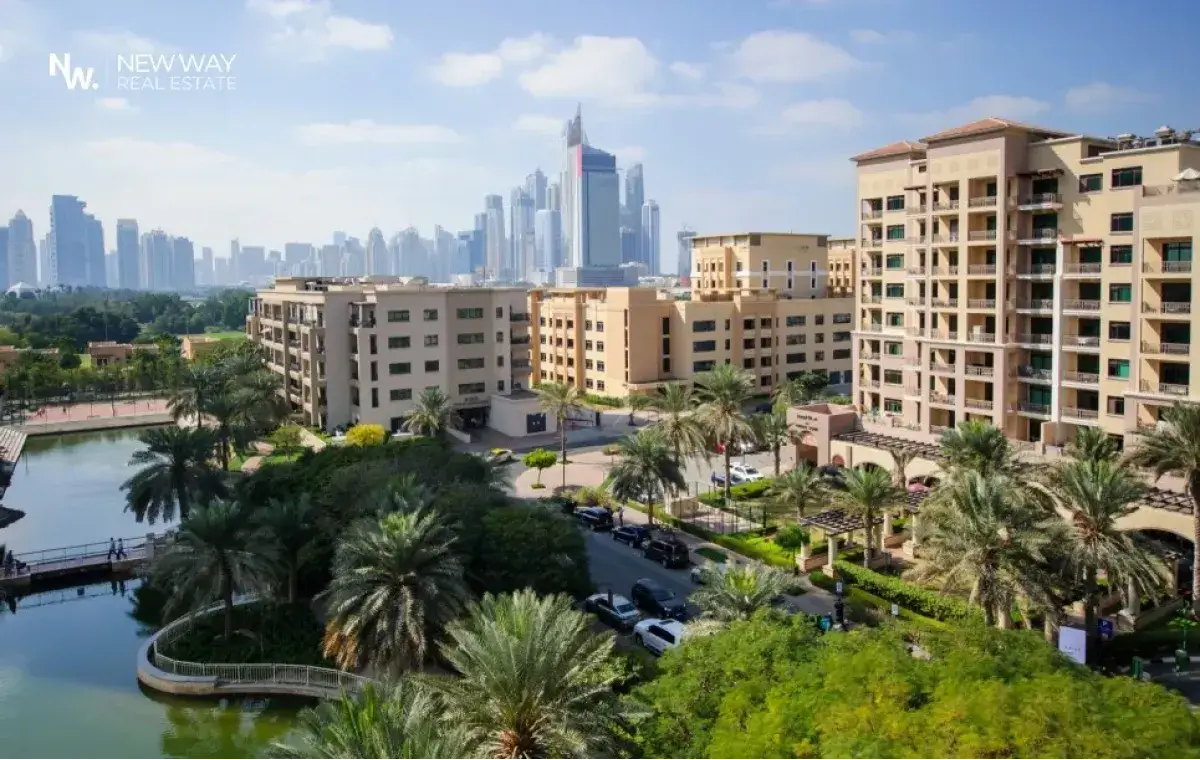

Deira is one of the oldest continuously inhabited urban districts in Dubai and represents the commercial and cultural foundation on which the city’s early growth was built. Located along the northern side of Dubai Creek and stretching toward the Sharjah border, Deira developed as a port-side trading zone long before modern highways and master-planned communities reshaped the emirate. Even today, its identity is defined by commerce, dense urban fabric, traditional marketplaces, and waterfront activity.
Unlike newly built residential zones designed around gated clusters and high-rise towers, Deira evolved organically around trade routes, docks, and caravan exchange points. This organic growth pattern explains its narrow lanes, mixed-use blocks, mid-rise buildings, and strong street-level retail presence. For buyers, tenants, and investors, the area offers a very different value proposition compared with newer coastal and highway-corridor communities. It delivers centrality, connectivity, rental demand, and cultural depth rather than luxury master-planned living.
Deira Historical Development and Commercial Origins
The historical importance of Deira is inseparable from Dubai Creek, the salt-water inlet that enabled maritime trade and pearling activity for generations. Early settlement expanded along the creek’s edge because boats could dock, goods could be transferred, and merchants could establish warehouses and homes close together. Traditional dhow traffic still operates today, maintaining a living link to historic trade patterns.
During the 19th and early 20th centuries, fires, storms, and disease outbreaks significantly affected settlements around the creek. Population movement toward Deira increased during crisis periods, reinforcing its role as a resilient commercial quarter. Before cultured pearls reshaped global markets, the pearl trade brought seasonal wealth and risk to creekside communities, and Deira functioned as a central exchange zone.
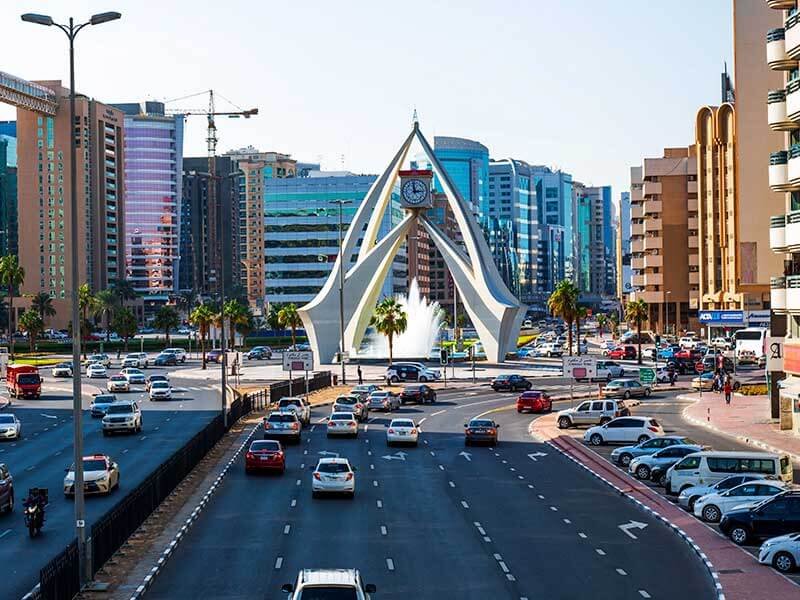
Over time, as Dubai expanded along major highways and coastal corridors after the formation of the UAE, commercial gravity gradually shifted toward newer districts. However, Deira never lost its operational importance. Instead, it transformed into a high-density mixed commercial and residential district that continues to support wholesale trade, retail markets, hospitality, and workforce housing. Today it forms a core part of what is commonly called “Old Dubai,” together with districts across the creek.
Deira Location and Urban Structure
Deira sits on the northern bank of Dubai Creek and connects directly to major road corridors leading to Sharjah and Dubai International Airport. Its position gives it logistical strength. Travel times to the airport are typically short, and multiple bridges and tunnels connect it to the opposite bank. This spatial relationship supports cross-creek commuting, tourism flow, and trade logistics.
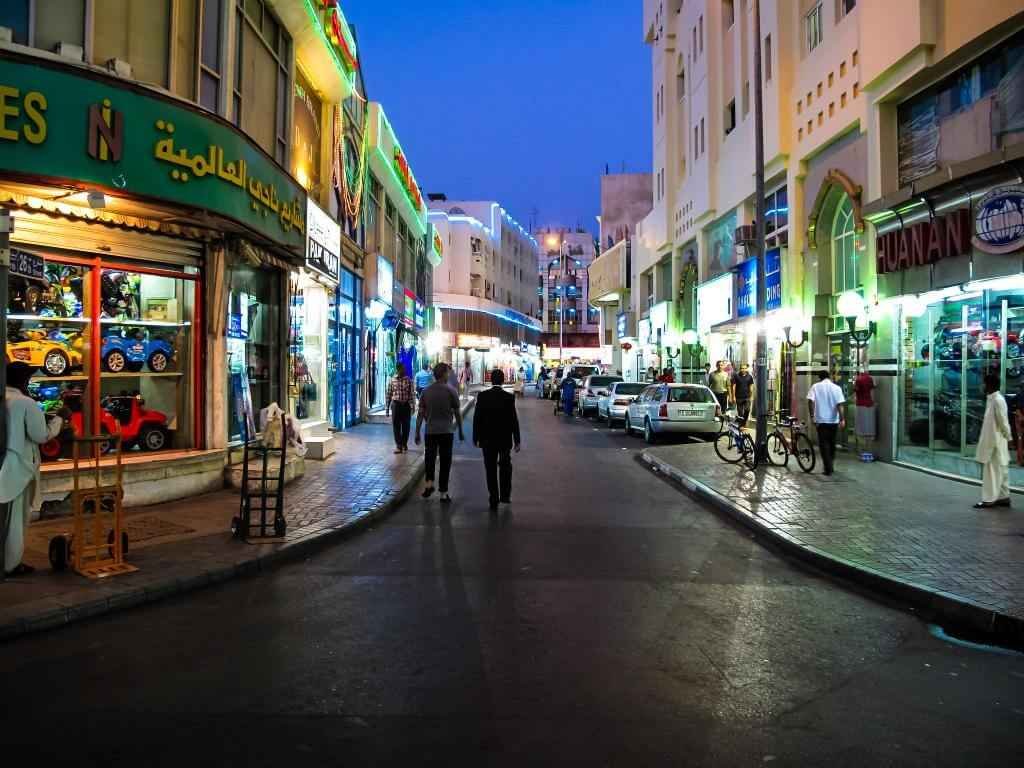
The district is not structured as a single master development but as a collection of tightly connected sub-areas. Streets are active throughout the day, with ground-floor retail, upper-floor apartments, hotels, and offices mixed within the same blocks. This mixed-use pattern increases foot traffic and keeps commercial demand stable, which is one reason rental occupancy tends to remain resilient.
Urban density is higher than in suburban villa communities. Parking pressure, traffic congestion during peak hours, and older building stock are natural outcomes of this structure. At the same time, walkability, transit access, and retail proximity are significantly stronger than in many newer zones.
Key Sub-Areas and Micro-Markets Within Deira
Deira should not be evaluated as a single homogeneous market. Its micro-locations differ in building age, tenant profile, rental levels, and lifestyle quality. Understanding these sub-areas is essential for accurate property and investment decisions.
Areas around Al Rigga and Al Muraqqabat are known for mid-rise residential blocks, hotels, restaurants, and strong metro connectivity. Streets remain active late into the night, and the tenant mix is highly international. Apartments here are typically compact but well-located, making them attractive for renters who prioritize transport and amenities over space.
Naif and souk-adjacent zones are older and more densely built. Buildings are generally lower quality but highly affordable. Retail and wholesale trade dominate ground floors. This sub-market appeals more to budget tenants and small traders than to family end-users seeking modern facilities.
Creekside sections near major malls and golf-oriented waterfront facilities contain relatively newer buildings and hotels, with improved streetscapes and walking areas. Residential demand here benefits from views and leisure access.
Abu Hail and nearby pockets lean more residential with a mix of villas and low-rise apartments. These locations are often chosen by families who want Deira connectivity but a slightly calmer neighborhood texture.
Cultural Landmarks and Traditional Markets
Deira is globally recognized for its traditional markets and heritage buildings. These attractions are not theme-park reconstructions but working commercial environments where retail and tourism overlap. The district’s gold, spice, and perfume markets form one of the most concentrated traditional retail clusters in the region. Jewelry shops display extensive collections, spice merchants sell bulk ingredients and herbs, and fragrance traders offer oils and blends.
Heritage buildings in the district showcase courtyard architecture, wind towers, and early educational institutions. Museums and restored houses provide insight into pre-oil urban life, merchant families, and social organization. Together, these sites support cultural tourism and school visits, strengthening the area’s non-residential economic base.
The continued operation of small wooden passenger boats across the creek adds functional heritage value rather than symbolic value. These crossings are used daily by commuters and visitors, reinforcing Deira’s identity as a working historic district rather than a preserved monument zone.
Shopping, Retail, and Modern Commercial Hubs
Alongside traditional souks, Deira also hosts some of Dubai’s earlier generation shopping malls and modernized retail markets. Large enclosed malls in the district combine supermarkets, fashion stores, cinemas, and dining, serving both residents and visitors. These centers are generally more practical and navigable than mega-destination malls found elsewhere in the city.
Modern wholesale and fresh food markets have also been redeveloped into structured, hygienic, air-conditioned facilities that support both retail and restaurant supply chains. This blend of old and new retail formats increases commercial resilience. When tourism fluctuates, local consumption and wholesale trade continue to support occupancy.
Street retail remains one of Deira’s strongest features. Continuous shopfronts, cafeterias, exchange houses, tailoring shops, and travel agencies create a highly functional urban retail ecosystem that supports everyday living without long travel distances.
Transport Connectivity and Mobility
Transport accessibility is one of Deira’s strongest competitive advantages. Multiple metro stations serve different parts of the district through two separate lines, connecting residents directly to the airport, central business zones, and interchange hubs. Bus networks are dense, and taxi availability is high due to constant demand.
Water transport across the creek provides both a commuter function and a tourism experience. Road connectivity toward Sharjah makes Deira a preferred residence for some cross-emirate commuters, although peak-hour congestion can be heavy near bridges and junctions.
Unlike car-dependent suburban districts, daily life in Deira can be managed without private vehicle ownership, which lowers living costs for many tenants and supports rental demand for centrally located apartments.
Property Types and Residential Options
Residential stock in Deira is dominated by apartments in low- to mid-rise buildings, with limited high-rise tower presence compared with newer Dubai districts. Unit layouts typically include studios, one-bedroom, and two-bedroom apartments, with some larger family units in selected buildings. Villas exist in certain pockets but are not the dominant typology.
Building age varies widely. Some properties are decades old, while others are mid-cycle redevelopments or refurbishments. This creates a broad rental and price spectrum within short distances. Tenants can trade building quality for location convenience and lower rent, which keeps occupancy levels relatively stable.
From a buyer perspective, Deira appeals more to yield-focused investors than luxury end-users. The combination of central location, constant tenant inflow, and comparatively lower entry prices supports income strategies over capital-appreciation speculation.
Market Behavior, Demand Patterns, and Price Direction
Exact figures change over time, but structurally, Deira’s property market behaves differently from master-planned luxury districts. Demand is driven by workforce housing, small families, traders, hospitality staff, and airport-related employees. This produces steady rental absorption rather than speculative spikes.
Price growth tends to be moderate rather than explosive. However, rental yields can be comparatively attractive because acquisition costs are often lower relative to centrality. Refurbished buildings and well-managed units outperform neglected stock, so asset condition plays a major role in returns.
Investors should evaluate:
- Building maintenance quality
- Tenant profile stability
- Proximity to metro and main roads
- Renovation potential
- Regulatory compliance and parking availability
Recommended: Dubai Production City
Lifestyle, Food Scene, and Daily Living Experience
Daily life in Deira is active, social, and convenience-oriented. The food scene is especially diverse, with strong representation of South Asian, Middle Eastern, Persian, and Southeast Asian cuisines. Small cafeterias, long-running restaurants, and hotel dining rooms coexist within short walking distances. This diversity supports both budget dining and established specialty restaurants.
Supermarkets, clinics, schools, exchange houses, and service centers are widely distributed. Residents rarely need to travel far for daily requirements. Compared with quieter suburban districts, Deira feels crowded and energetic, which appeals to some residents and discourages others.
Waterfront walks, creekside dining, and evening market visits create leisure options without resort-style environments. The lifestyle is urban and practical rather than resort-luxury.
Recommended: Muteena Dubai
Investment Potential and Risk Factors
From an investment lens, Deira is best understood as an income-oriented micro-market with heritage and logistics advantages. Its strengths include constant tenant demand, central access, and diversified commercial activity. Units close to transport and retail nodes typically show better occupancy resilience.
Risk factors relate mainly to building age, maintenance variation, traffic congestion, and limited new supply of premium residential stock. Investors seeking luxury appreciation or branded residences may find better alignment elsewhere. Investors seeking stable rent from affordable units may find Deira more suitable.
A balanced investment evaluation should consider renovation cost, service charges, tenant turnover, and regulatory updates affecting older buildings.
Advantages and Limitations of Living in Deira
Deira offers strong advantages in connectivity, affordability, cultural depth, and retail access. It suits residents who value central living, public transport, and vibrant street life. It also supports small business operators and traders who benefit from proximity to wholesale and retail clusters.
Limitations include congestion, older infrastructure in some blocks, limited green master-planned open space, and inconsistent building quality. Lifestyle expectations must align with dense urban living rather than gated community comfort.
Who Deira Is Best Suited For
Deira is particularly suitable for budget-to-mid-range renters, airport and trade sector employees, small families wanting central access, and investors targeting rental yield over prestige positioning. It also suits culturally curious residents who prefer historic urban environments to newly built suburban zones.
Luxury lifestyle buyers and villa community seekers typically look elsewhere, while yield investors and centrally located renters often shortlist Deira.
FAQs
Is Deira good for property investment?
It can be attractive for yield-focused investors due to lower entry prices and steady tenant demand, especially near transport nodes.
Is Deira well connected to the airport?
Yes, travel distance to the airport is short, and metro connectivity is strong.
Are properties mostly new or old?
Most buildings are older or mid-cycle, though some have been renovated or redeveloped.
Is Deira suitable for families?
Certain sub-areas with schools and lower density are more family-friendly than souk-adjacent zones.
Is rental demand stable?
Historically, demand has been steady due to workforce and trade-related housing needs.
Conclusion
Deira remains one of Dubai’s most historically significant and functionally important districts. Its creekside origins, traditional markets, dense mixed-use fabric, and strong transport links give it a distinctive role within the city’s urban system. While it does not compete with newer luxury master developments in terms of visual modernity, it delivers centrality, affordability, cultural richness, and rental resilience.
For residents, it offers convenience and authenticity. For investors, it offers yield potential and diversified tenant demand. For visitors, it provides a direct window into Dubai’s trading heritage. A complete Dubai property or area research strategy should always evaluate Deira as a foundational benchmark district rather than an outdated one.

Leave a Reply