
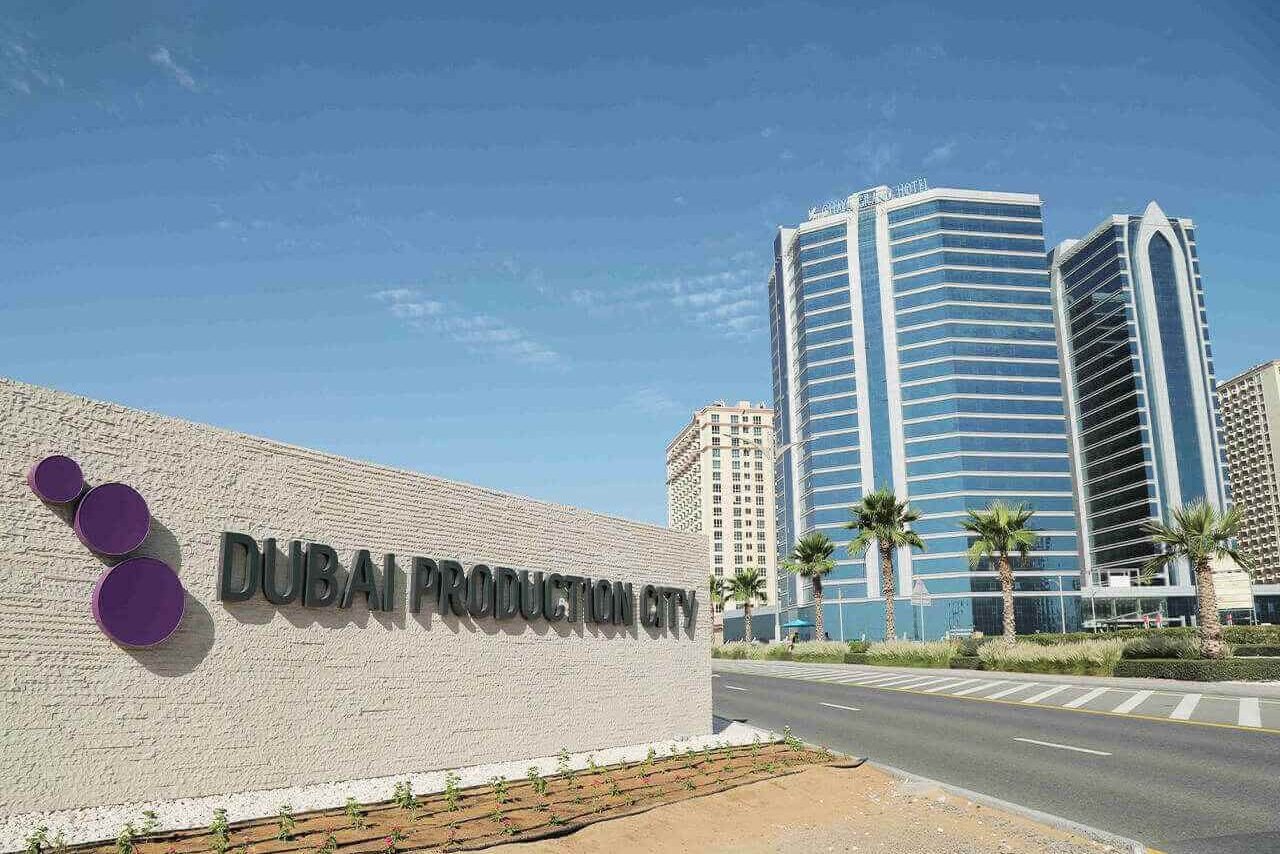

What Is Dubai Production City and Why It Matters
Dubai Production City is a mixed-use freehold and free zone district developed to support media, publishing, printing, packaging, and creative businesses while also functioning as a residential neighborhood. Previously known as IMPZ, the district has evolved from a purely industry-focused zone into a well-established apartment community with retail, leisure, and daily-life services. Today, it attracts working professionals, entrepreneurs, tenants seeking affordability, and investors targeting stable rental demand.
The area guide for Dubai Production City must be understood from two angles: its business function and its residential value. On one side, it offers licensing and operational advantages for production-related companies. On the other, it provides mid-rise apartment living with practical amenities and strong road connectivity. This dual role shapes its property market, tenant profile, and long-term investment potential within Dubai’s outer growth corridor.
Dubai Production City Location, Urban Positioning and Road Connectivity
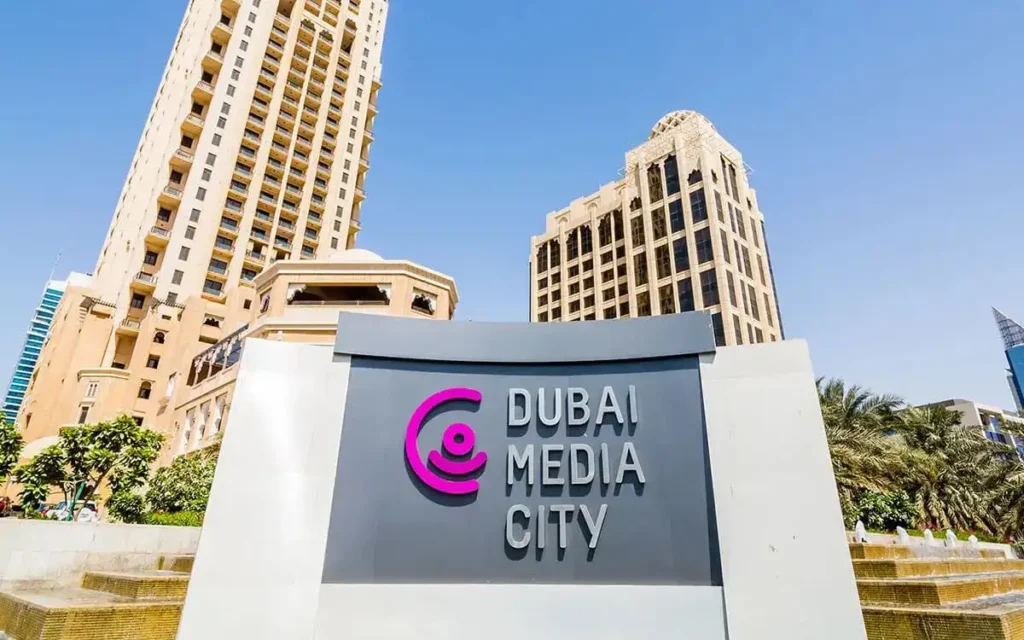
Dubai Production City sits along Sheikh Mohammed Bin Zayed Road (E311), one of the most important highway corridors in the city. Its position places it near several growing residential clusters such as Dubai Sports City, Jumeirah Village Circle, Jumeirah Village Triangle, and Jumeirah Golf Estates. Because of this, the district functions as part of a larger residential and commercial belt rather than a standalone isolated zone.
Road access is one of its strongest advantages. Residents and businesses benefit from direct connections to E311 and relatively quick links to Al Khail Road (E44) and Hessa Street. This allows smoother car travel toward Dubai Marina, Palm Jumeirah, Mall of the Emirates side, and newer southern developments near Al Maktoum International Airport. Commute patterns are road-dependent, and the district performs best for people who drive or frequently use taxis and ride-hailing services.
Public transport exists but is limited compared with metro-served districts. Bus and feeder routes connect the area to major metro stations, but daily travel without a car requires more planning and time. This transport structure directly influences tenant demographics and rental pricing.
Dubai Production City Community Layout and Development Character
Dubai Production City follows a planned mixed-use layout with residential clusters, commercial plots, light industrial facilities, and retail pockets distributed across a large land area. The built form is dominated by low- to mid-rise apartment buildings and multi-tower complexes rather than villa compounds. Wide internal roads, surface parking areas, and building podiums shape the streetscape.
The overall atmosphere is quieter than waterfront or central districts. Instead of heavy tourism and nightlife, the environment feels more practical and work-oriented. Many residents describe the lifestyle as calm, functional, and less crowded. Ongoing development in selected plots means some sections continue to mature, with new residential projects and retail additions improving livability over time.
Running tracks, landscaped pockets, and fitness-oriented outdoor features are integrated into parts of the master community, supporting an active routine for residents. Ground-floor retail in residential buildings further supports daily convenience.
Recommended: Dubai Miracle Garden
Residential Property Types and Housing Options
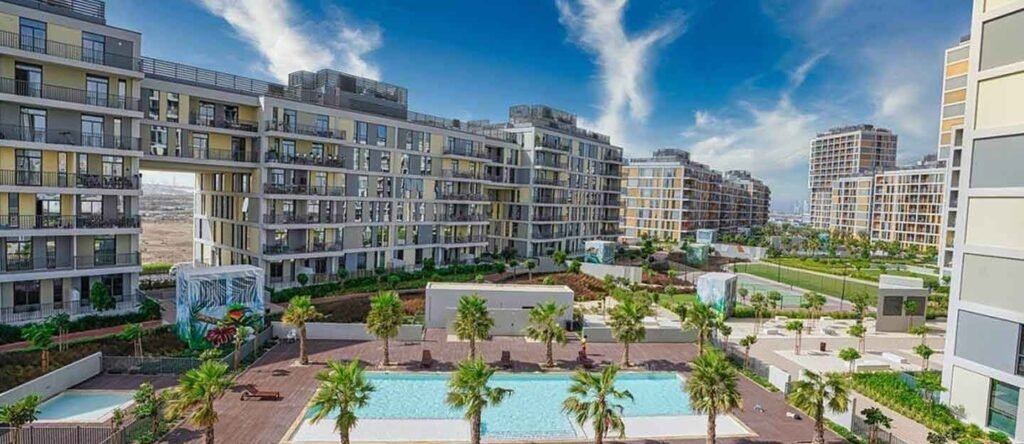
Housing in Dubai Production City is almost entirely apartment-based. The unit mix typically includes studios, one-bedroom, two-bedroom, and a smaller share of three-bedroom layouts in selected projects. There are no villa or townhouse communities inside the district itself, which makes it structurally different from suburban villa zones.
Most residential towers provide lifestyle facilities within the building or podium level. These commonly include fitness rooms, swimming pools, children’s play areas, security, and dedicated parking. Newer developments emphasize larger balconies, open views, and modern façade design. Older towers tend to offer more compact layouts and lower entry prices, which can appeal to yield-focused investors.
From a market positioning perspective, Dubai Production City apartments are widely viewed as value-driven. Both rental and purchase levels are generally more accessible than prime coastal or central business districts. This affordability attracts first-time buyers, portfolio investors, and tenants upgrading from smaller shared accommodations in more expensive zones.
Commercial and Business Environment
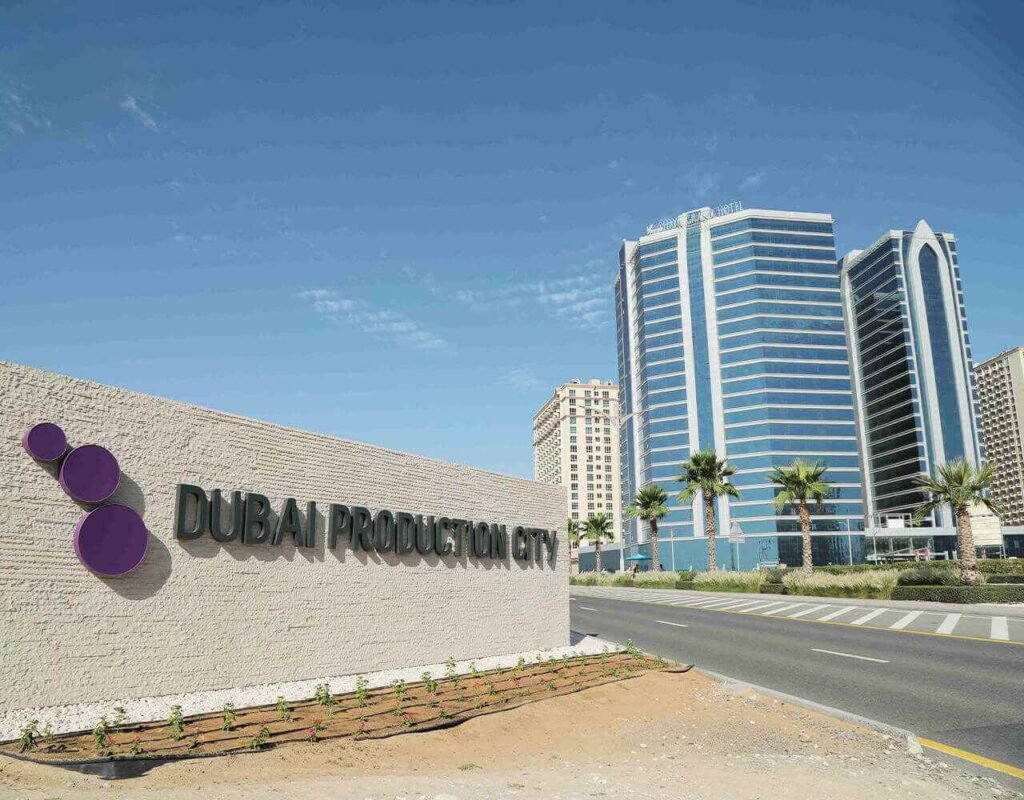
Dubai Production City was designed to serve production-related industries, and this legacy still shapes its commercial side. The district contains office spaces, studios, warehouses, and specialized facilities suitable for printing, publishing, packaging, and content production activities. Flexible office units and business centers support startups and small companies alongside larger operators.
Free zone benefits are a defining feature for companies operating under the district’s licensing structure. These typically include full foreign ownership, tax advantages aligned with free zone frameworks, and sector-focused licensing categories. This creates a business ecosystem that complements the residential component, bringing a working population into and around the district during weekdays.
Innovation and startup support platforms focused on media and creative entrepreneurship operate within the wider zone environment, encouraging small business formation and collaboration. This business-residential mix helps maintain steady rental demand for nearby apartments.
Recommended: Dubai Frame
Shopping, Retail and Daily Needs
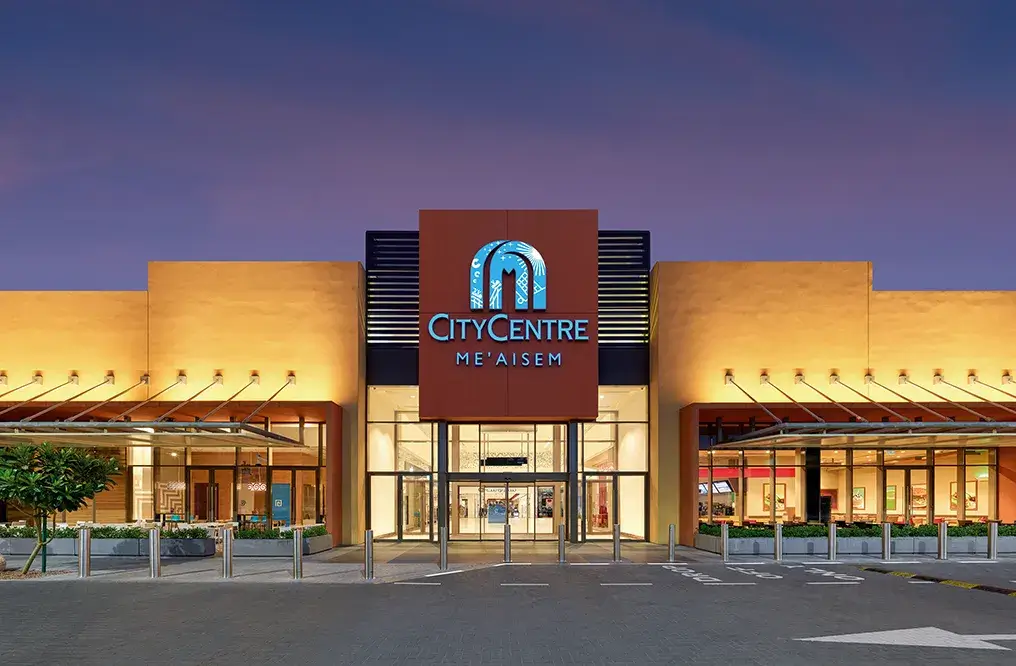
Retail life in Dubai Production City is anchored by City Centre Me’aisem, a community-focused shopping mall located at the edge of the district. It functions as the primary retail and service hub, offering a large supermarket, fashion outlets, casual dining, cafés, and family-oriented entertainment. For many residents, this mall covers most weekly shopping and leisure needs without requiring long drives.
Beyond the main mall, supermarkets and convenience stores are distributed across and around the district. Well-known grocery brands and neighborhood markets operate within short driving distance, ensuring easy access to daily essentials. Pharmacies, salons, laundry shops, and small service outlets are commonly found on the ground floors of residential buildings.
For larger retail and themed shopping experiences, residents typically drive to bigger destination malls within a broader radius. This layered retail structure – local mall plus major regional malls – supports both quick errands and full-day shopping trips.
Dining, Cafés and Casual Food Scene
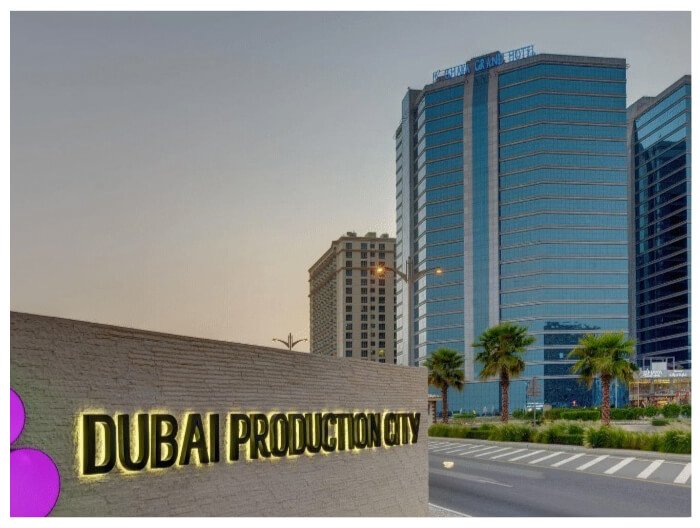
Dining in Dubai Production City is practical and diverse rather than luxury-driven. Restaurants and cafeterias in and around the district mainly focus on everyday meals, takeaway, and affordable menus. A mix of South Asian, Middle Eastern, and casual international cuisine is widely available within a short drive.
Most dining outlets are positioned either inside City Centre Me’aisem or along retail strips under residential buildings. This creates a convenience-based food scene where residents can easily access breakfast spots, quick lunches, and simple dinners. Delivery coverage from nearby districts further expands available choices through food apps.
The dining profile supports the area’s tenant base: working professionals, small families, and budget-conscious residents who prioritize accessibility over fine dining prestige.
Schools, Nurseries and Education Access
Families considering Dubai Production City should understand that while there are early education and nursery options nearby, the district itself has a smaller concentration of large school campuses compared with established villa communities. However, several reputable schools operate within a reasonable driving radius in surrounding districts.
Curriculum options in nearby schools commonly include British programs and other international systems. Nursery and early learning centers are available within short travel time, supporting households with young children. School runs are typically car-based, which aligns with the area’s overall transport pattern.
Because of this structure, the district suits small families comfortable with short daily drives to schools rather than those wanting a school within walking distance.
Healthcare and Clinics
Healthcare access around Dubai Production City is built around clinics and specialty centers within and near the district. Residents can find general medical, dental, and basic diagnostic services within a short drive. Polyclinics and branded clinic branches serve routine health needs.
For major hospital services and advanced treatment, residents typically travel to larger hospitals in neighboring districts. Travel times are manageable by car, making the setup workable for most households. Pharmacies are widely available in nearby retail clusters and malls.
This healthcare pattern is typical of emerging mixed-use districts where primary care is local and major hospitals are regionally distributed.
Hotels and Short-Stay Options
Several hotels operate close to Dubai Production City, mainly serving business visitors, short-stay guests, and corporate travelers linked to nearby commercial zones. These properties are generally positioned in the mid-range and business hotel category, offering practical rooms, meeting areas, and dining facilities.
Hotel presence adds value to the district’s commercial ecosystem by supporting visiting clients, project teams, and event participants. For property investors, nearby hotels also signal ongoing business activity and visitor flow into the area.
Leisure, Sports and Outdoor Activities
Dubai Production City is well placed for access to sports and leisure destinations in adjacent districts. Within a short drive, residents can reach golf courses, cricket facilities, motorsport tracks, and themed gardens. This gives the area recreational depth beyond its immediate boundaries.
Inside the district, fitness centers, gyms, running tracks, and selected sports facilities support everyday exercise. Many residential towers include their own gyms and pools, reducing the need for external memberships. Beauty salons and wellness services are also widely available nearby.
The leisure profile suits residents who prefer structured fitness and sports venues over beach or promenade lifestyles.
Transportation, Parking and Mobility
Transport in Dubai Production City is primarily car-oriented. Road access is strong, parking is typically provided with residential units, and taxis are easy to book. Most buildings allocate at least one parking space per apartment, with visitor parking varying by project.
Public transport relies on bus and feeder routes connecting to metro stations outside the district. There is no metro station within walking distance inside the community. This makes daily commuting easier for drivers than for fully public-transport-dependent residents.
From a property demand perspective, this mobility pattern tends to attract tenants who already own cars or are comfortable using ride-hailing services regularly.
Investment Potential and Market Behavior
Dubai Production City has built a reputation as a yield-friendly apartment market. Entry prices for units are often lower than in central or waterfront districts, while rental demand remains steady due to affordability and business activity nearby. This combination can support comparatively strong rental returns relative to purchase price.
Investor interest is typically focused on studios and one-bedroom units, which match the dominant tenant profile of single professionals and couples. Larger units appeal to end-users and small families seeking value space. As new projects launch and infrastructure improves, market depth continues to grow.
Risks and considerations include reliance on road transport, ongoing construction in selected plots, and service charge variations between buildings. Investors should compare building quality, management, and occupancy trends before purchasing.
Advantages and Limitations of Living in Dubai Production City
Dubai Production City works best for residents who prioritize affordability, modern apartments, and highway connectivity. The environment is quieter than entertainment-heavy districts, which many people see as a lifestyle advantage. The mix of retail, gyms, clinics, and a community mall supports practical daily living.
Limitations mainly relate to transport and housing variety. The absence of metro access within the district and the lack of villas or townhouses may not suit every household. Some residents also prefer more established, greener neighborhoods with denser leisure attractions.
In simple terms, the area offers value and function, but less prestige and walkability than premium central zones.
Who Should Choose Dubai Production City
Dubai Production City is especially suitable for young professionals working along the E311 corridor, media and production sector employees, startup founders, and tenants seeking cost-effective modern apartments. It also fits small families who are comfortable with car-based commuting and nearby-school access rather than on-foot schooling.
For investors, it suits those targeting rental yield and mid-market tenant demand instead of luxury capital appreciation plays. Buyers looking for villas, beachfront lifestyle, or metro-front living may find other districts more aligned with their goals.
FAQs
Is Dubai Production City freehold?
Yes, it is a freehold district where local and foreign buyers can own property with full ownership rights.
What property types are available?
Apartments dominate the market, ranging from studios to three-bedroom units, with no villas inside the district.
Is public transport available?
Bus and feeder services operate in the area, but there is no metro station within the community itself.
Is it good for investment?
It is widely considered attractive for rental yield due to relatively accessible purchase prices and consistent tenant demand.
Is it a good place to live?
It is a practical and affordable place to live, especially for professionals and small families who drive.
Conclusion
Dubai Production City stands as a value-driven mixed-use district that blends business functionality with affordable apartment living. Its highway connectivity, free zone commercial framework, and growing residential stock create a balanced environment for work and daily life. While it does not offer metro-front convenience or villa neighborhoods, it compensates with pricing advantage, practical amenities, and steady rental demand.
![Aquaventure World is the largest waterpark in the world and one of Dubai’s most powerful lifestyle and tourism anchors. Located within Atlantis The Palm on Palm Jumeirah, the park spans approximately 22.5 hectares and features over 105 record-breaking slides, attractions, and marine experiences. From near-vertical free-fall slides and the world’s longest family rafting coaster to marine animal encounters and a private beach, Aquaventure World functions as far more than a theme park. It is a destination ecosystem that blends entertainment, hospitality, marine conservation, and waterfront leisure—making it highly relevant in both lifestyle and real estate discussions around Palm Jumeirah. Location & Context Within Dubai Aquaventure World sits at the crescent of Palm Jumeirah, one of Dubai’s most prestigious master-planned waterfront developments. Its location inside Atlantis The Palm gives it direct connectivity to luxury hotels, fine dining, beach clubs, and high-end residential communities. Address Context: Atlantis The Palm, Crescent Road, Palm Jumeirah, Dubai, UAE Accessibility: By Car or Taxi: Direct access via Palm Jumeirah; dedicated Aquaventure parking with complimentary shuttle service By Public Transport: Dubai Tram → Palm Jumeirah Monorail → Atlantis/Aquaventure Station From a real estate and urban planning perspective, Aquaventure significantly enhances the destination value of Palm Jumeirah, increasing short-term rental demand, tourism footfall, and lifestyle appeal. Internal linking suggestion: [Link to Palm Jumeirah Area Guide] [Link to Dubai Waterfront Communities Guide] Opening Hours & Seasonal Considerations Aquaventure World operates year-round, with hours adjusted seasonally: Peak Season (Nov–Apr): Approx. 9:45 AM – 6:30 PM Low Season (May–Oct): Approx. 9:00 AM – 5:30 PM Weekdays generally experience lower crowd density than weekends and school holidays. January through February offers the most comfortable weather, aligning with Dubai’s peak tourism cycle. Core Attractions & Themed Zones Aquaventure World is organized around three iconic towers, each representing a distinct thrill category: Neptune Tower Focused on signature high-adrenaline experiences: Leap of Faith: Near-vertical 9-storey drop through a transparent shark lagoon Shark Safari routes: Slides intersecting marine habitats Poseidon Tower Designed for extreme thrill seekers: Poseidon’s Revenge: Trap-door freefall reaching speeds of ~60 km/h Multiple high-speed body slides with steep gradients Trident Tower Home to next-generation ride engineering: Odyssey of Terror: One of the world’s tallest waterslides, engineered for weightlessness Blackout: Enclosed darkness-based thrill slides Complementing these towers are river rides, family rafting zones, and wave-based attractions. Family, Kids & Relaxation Zones Aquaventure is not solely thrill-oriented. It also offers some of the most comprehensive family water facilities globally. Splashers Kids’ Area: The world’s largest children’s water playground Adventure River & Rapids: Over 1.6 km of connected river experiences Lazy River: Low-intensity floating ideal for downtime between rides These zones significantly broaden the park’s demographic reach, making it attractive for families, school groups, and multigenerational visitors. Marine Life & Aquarium Experiences A defining differentiator of Aquaventure World is its integration of marine ecosystems. Lost Chambers Aquarium Over 65,000 marine animals 21 immersive exhibits Ambassador Lagoon with an 11-million-liter tank Atlas Village & Dolphin Experiences Dolphin Meet & Greet Dolphin Swim and Kayak programs South African fur seals encounters Each marine experience contributes to conservation funding through the Atlantis Atlas Project, reinforcing the park’s sustainability narrative. Aquaventure Beach & Outdoor Leisure Aquaventure includes a 700-meter private beach, exclusive to ticket holders. This beachfront component elevates the park from a rides-only attraction to a full-day coastal leisure experience, with views across the Arabian Gulf and Dubai skyline. Wave-riding facilities like Surf’s Up add surf-style recreation, while shaded beach zones offer recovery space between high-energy activities. Ticketing Structure & Visitor Access Ticket pricing varies by season, demand, and package structure rather than fixed rates. Available options include: Standard Day Pass (waterpark access) Super Pass (Aquaventure + Lost Chambers Aquarium) Combo tickets with Dubai landmarks Marine experience bundles Children under 2 enter free, while height-based pricing ensures safety compliance. Internal linking suggestion: [Link to Dubai Attractions Guide] [Link to Dubai Family Lifestyle Areas] Dining, Retail & On-Site Services Aquaventure World operates approximately 15 dining outlets, ranging from quick-service counters to international casual dining. Retail stores supply swimwear, water shoes, sunscreen, and souvenirs, reducing friction for tourists and day visitors. Lockers, towel rentals, and fast-track ride passes support high-volume visitor management during peak seasons. Safety, Height Restrictions & Regulations Safety protocols are strict and professionally managed: Most major slides require a minimum height of 1.2 meters Selected family rides allow 1.07 meters with adult supervision Lifeguards positioned throughout the park Life jackets available for children Dress code policies are inclusive, accommodating standard swimwear and modest options such as burkinis. Lifestyle Impact & Real Estate Relevance From a property and investment perspective, Aquaventure World plays a critical role in: Boosting short-term rental yields on Palm Jumeirah Supporting luxury hospitality demand Enhancing long-term brand value of waterfront real estate Properties near Atlantis The Palm benefit from consistent tourist inflow, international recognition, and year-round visitation cycles. Internal linking suggestion: [Link to Dubai Property Investment Guide] [Link to Buy Apartments in Palm Jumeirah] Investment Perspective: Opportunities & Considerations Upside factors Global landmark status Continuous expansion and reinvestment Strong alignment with Dubai’s tourism-led economic model Potential risks Seasonal crowd fluctuations Premium pricing positioning Dependence on international tourism cycles Overall, Aquaventure strengthens Palm Jumeirah’s resilience as a high-demand lifestyle destination. Pros & Cons Summary Pros World’s largest and most advanced waterpark Integrated marine, beach, and leisure experiences Family-friendly with premium positioning Strong tourism and real estate synergy Cons Peak-season crowd density Higher ticket costs compared to smaller parks Full-day experience may be physically demanding Who Is Aquaventure World Best For? Families visiting or living in Dubai Tourists seeking flagship attractions Residents of Palm Jumeirah and nearby waterfront areas Investors focused on short-term rental or lifestyle-driven property demand Frequently Asked Questions Is Aquaventure World worth visiting? Yes. It offers unmatched scale, ride diversity, and marine experiences, positioning it among the top waterparks globally. What is the best time to visit Aquaventure World? Weekdays during November to February provide the best balance of weather and crowd levels. How many rides does Aquaventure World have? Over 105 slides, attractions, and experiences across multiple zones. Which waterpark is best in Dubai? Aquaventure World is widely considered Dubai’s premier waterpark due to its size, innovation, and integrated beach and marine offerings. Final Perspective Aquaventure World is not just a waterpark—it is a destination anchor that reinforces Palm Jumeirah’s status as one of the world’s most recognizable luxury waterfront developments. For visitors, it delivers a full-spectrum leisure experience. For residents and investors, it represents sustained lifestyle value and long-term demand stability within Dubai’s evolving real estate ecosystem.](https://dubaipropertyplus.com/wp-content/uploads/2026/01/Aquaventure-World-640x427.jpg)

Leave a Reply