
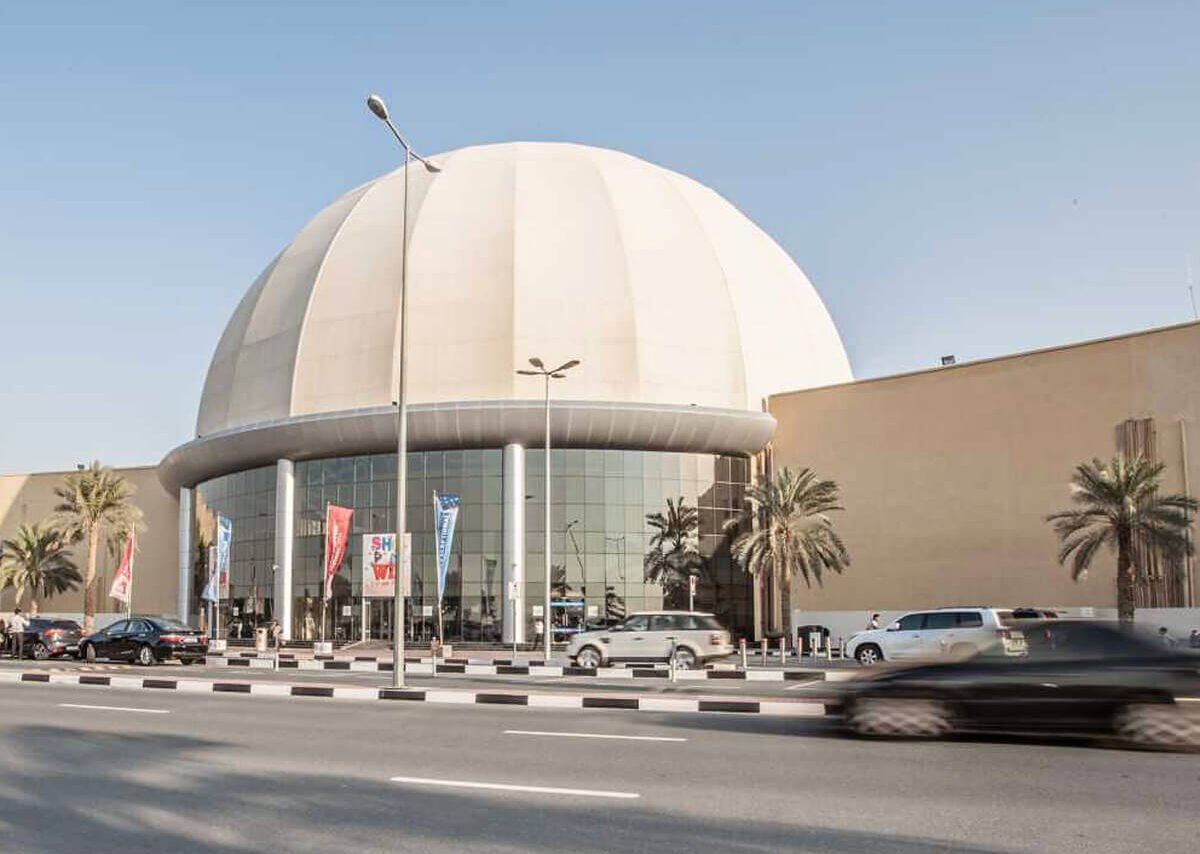

What Is Dubai Outlet Mall and Why It Matters for Value Shopping
Dubai Outlet Mall shopping guide starts with understanding the concept behind this destination and how it differs from traditional retail centers. Dubai Outlet Mall is built around the factory-outlet model, where brands sell past-season collections, surplus inventory, and special production lines at reduced prices throughout the year. Instead of short-term sale periods, the discount structure is built into the retail format itself, which changes how shoppers should plan their visit and evaluate deals.
The mall is positioned as a value-driven retail hub rather than a luxury lifestyle promenade. That difference influences store mix, layout efficiency, and shopper behavior. Visitors typically come with a purchase goal – sportswear, fashion basics, footwear, luggage, perfumes, or kidswear – rather than casual window shopping. From a search-intent perspective, most users looking for this mall are commercially and transactionally motivated: they want discounts, brand lists, directions, timing tips, and deal strategies.
Dubai Outlet Mall: Location Context and Accessibility from Main Dubai Zones
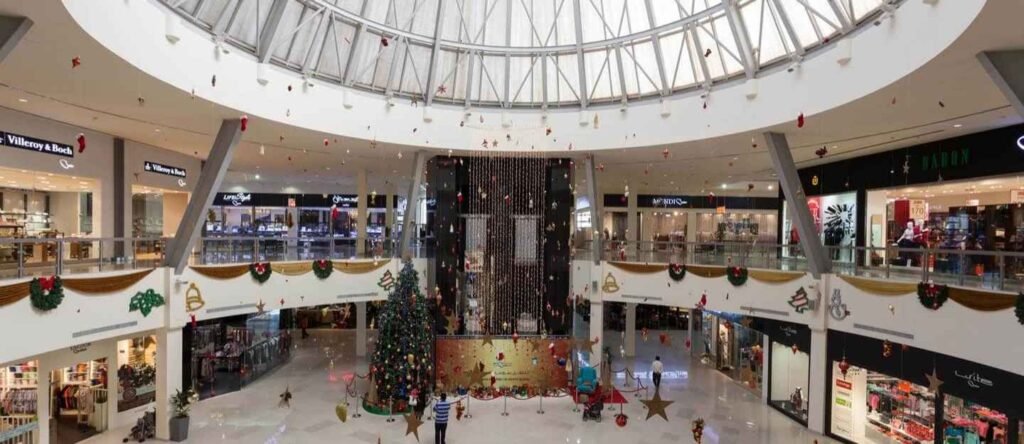
The mall is located along the Dubai-Al Ain Road corridor within the Dubailand zone, away from coastal and downtown retail clusters. This placement supports its outlet function: large floor plates, extensive parking, and lower land costs enable bigger stores and bulk inventory display. Travel time from central districts is typically under half an hour when traffic is light, but peak evening and weekend hours can extend the trip.
Access options influence trip planning and shopping behavior. Private cars remain the most efficient way to visit because purchases can be bulky and multiple-store buying is common. Taxi and ride-hailing services are widely used by tourists and short-stay visitors. Public bus connections also serve the route, and selected hotels operate scheduled shuttle services. Because of its highway-side positioning, the mall is often combined with other value-shopping destinations in the same outer corridor, making it suitable for half-day retail trips rather than quick drop-ins.
Mall Size, Store Density, and Brand Coverage Explained
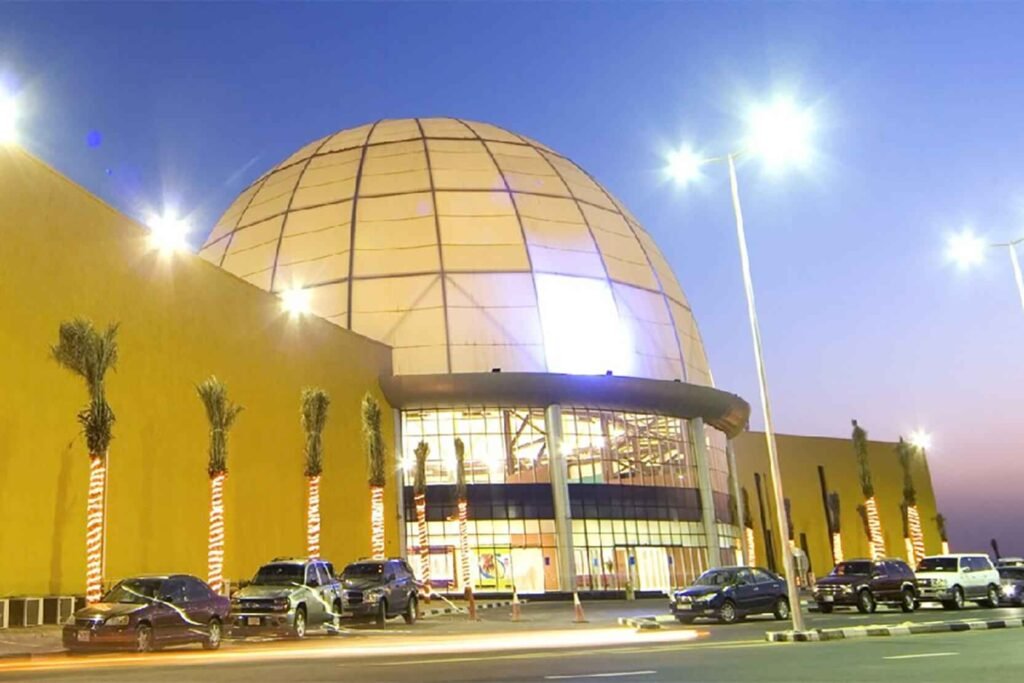
From a retail structure standpoint, the mall is large-format and brand-dense. It hosts hundreds of stores and over a thousand brand labels across fashion, sports, accessories, beauty, luggage, and homeware categories. This density matters for shoppers because it increases comparison opportunities within a single visit. Instead of checking one brand’s outlet, visitors can compare multiple brands, price tiers, and product qualities side by side.
Store types fall into three main retail models. First are single-brand outlet stores that sell only one label’s discounted stock. Second are multi-brand outlet warehouses that aggregate many labels under one roof, often with deeper markdowns but less organized merchandising. Third are value chains that focus on categories like perfumes, accessories, or basics. Understanding these retail models helps shoppers predict pricing patterns and stock variability before entering a store.
Discount Structure and How Outlet Pricing Actually Works
Outlet pricing is often misunderstood. Discounts are usually advertised as percentage reductions from an original reference price, but the reference may come from a prior season or a different market cycle. The practical takeaway is that price comparison – not percentage labels – should guide purchase decisions. Shoppers who quickly compare similar items across two or three stores often achieve better value than those who rely on the first displayed discount.
Discount depth typically varies by category. Sportswear, sneakers, casual fashion, and kidswear often show the most consistent reductions. Formalwear and luxury fashion can deliver strong deals, but size and color availability may be limited. Accessories and perfumes can range from modest to very deep discounts depending on batch and supplier source. Timing also matters: weekday visits and promotional seasons tend to produce layered discounts where outlet prices stack with store campaigns.
Recommended: Dubai Mall
Best Store Categories to Focus On for Real Savings
Value optimization depends more on category targeting than on store count. Experienced outlet shoppers prioritize product groups where overproduction and seasonal change are common, because these factors drive outlet supply. Sports apparel, running shoes, training gear, denim, casual shirts, children’s clothing, and travel luggage often fall into this pattern.
Multi-brand outlet stores are especially useful for comparison shopping. They allow cross-brand price checks within minutes and sometimes undercut single-brand outlets on identical or similar items. However, product organization may be less structured, so shoppers should allocate extra browsing time. Category-focused buying – such as “sneakers and sportswear only” – usually produces better outcomes than unfocused mall-wide browsing.
Dining, Rest Areas, and Visit Duration Planning
A typical shopping trip here lasts between two and four hours depending on goals and crowd levels. Dining facilities are built around food court and quick-service formats, allowing shoppers to pause without leaving the retail flow. This supports the outlet behavior pattern where visitors take short breaks and then continue store-to-store comparison.
Cafes and fast-casual dining spots are distributed to support foot traffic flow. Planning a mid-visit break helps reduce decision fatigue, which is common in outlet environments due to high product volume and price comparison pressure. Families with children benefit from scheduling rest stops and refreshment breaks because outlet shopping involves more walking than compact urban malls.
Family Facilities and Entertainment Considerations
The mall includes family-oriented facilities such as prayer rooms, baby-changing areas, and general service amenities that support longer visits. In the past, a well-known family entertainment venue operated inside the mall, but it is no longer active. As a result, the retail experience is now more shopping-centered than entertainment-centered.
Families should plan the visit primarily around shopping rather than rides or attractions. This shifts trip design toward shorter, goal-driven retail sessions with planned breaks rather than full-day entertainment outings. Parents can improve visit quality by pre-selecting store categories and limiting browsing scope.
Recommended: Dubai Marina Mall
Best Time to Visit for Deals and Comfort
Timing strategy significantly affects both savings and comfort. Weekday mornings and early afternoons usually provide the best combination of lighter crowds and better size availability. Because outlet stores hold limited size runs, early-day visits improve the chance of finding preferred fits.
Promotional seasons and citywide shopping festivals often layer extra discounts over outlet pricing. During these periods, some stores introduce additional markdowns or bundle offers. However, crowds also increase, so shoppers must balance discount potential with comfort and fitting-room wait times. Monday and midweek promotions are frequently mentioned by regular shoppers as opportunities for extra value.
Smart Shopping Method: How to Navigate the Mall Efficiently
Efficient outlet shopping is method-based rather than random. A structured route improves outcomes. Start with high-demand categories such as sneakers and sportswear because popular sizes sell out early. Then move to fashion and accessories, and finish with perfumes, gifts, and small items that do not depend heavily on size availability.
Price validation is also part of the method. Checking stitching, zippers, material finish, and packaging is important because outlet stock may include items with minor cosmetic imperfections. Quick online price checks for similar products help confirm whether the outlet price is truly competitive. Flexible color and style preferences increase the probability of finding strong deals.
Recommended: Mall of the Emirates
Comparison: Outlet Mall vs Traditional Shopping Malls
Outlet malls and traditional malls serve different retail purposes. Traditional malls focus on new-season collections, full size ranges, and brand experience. Outlet malls focus on discounted inventory and value purchase. This difference affects expectations and satisfaction levels.
| Factor | Outlet Mall Model | Traditional Mall Model |
|---|---|---|
| Product Cycle | Past-season & surplus | Current season |
| Price Pattern | Year-round discounts | Seasonal sales |
| Size Availability | Irregular | More complete |
| Visit Goal | Value buying | Experience + browsing |
| Store Layout | Inventory-heavy | Display-focused |
Understanding this difference prevents mismatched expectations and improves shopper satisfaction.
Pros and Cons of Shopping at Dubai Outlet Mall
Advantages center on price opportunity and brand variety. Shoppers can access a wide brand mix with frequent discounts, large parking capacity, and practical facilities. Category breadth supports multi-purpose shopping trips, especially for clothing, footwear, sports gear, and gifts.
Limitations relate mainly to inventory variability and travel distance. Not every visit guarantees the desired size or color. New-season or highly specific items are less likely to appear. Travel time is longer compared with central malls, so impulse visits are less practical. These trade-offs are typical for outlet retail formats worldwide.
Who Should Shop Here and Who May Prefer Other Options
This mall suits value-driven shoppers, families buying in volume, tourists seeking branded goods at lower prices, and residents stocking up on essentials like sportswear and kidswear. It is also suitable for gift buyers and travelers looking for luggage and accessories at reduced cost.
Shoppers who want the newest collections, complete size runs, or luxury boutique experiences may prefer traditional malls. Fashion buyers seeking runway-season items or very specific models will likely find better selection in full-price retail environments.
Investment and Retail Market Perspective
From a commercial real estate and retail ecosystem viewpoint, outlet malls serve a clearance and price-segmentation role within the broader shopping landscape. They help brands manage excess inventory while attracting price-sensitive customer segments. Their presence strengthens retail diversity across the city by separating discount-driven demand from premium retail districts.
For property and retail analysts, such destinations increase traffic to outer development corridors and support supporting services such as transport, hospitality shuttles, and warehouse-style retail formats. This creates retail clustering effects that can influence nearby commercial and mixed-use development patterns.
FAQs
Is everything always discounted?
Most stores operate on an outlet pricing model with ongoing discounts, but discount depth varies by product and season. Not every item will represent the lowest possible market price.
How long should I plan for a visit?
A focused visit usually takes two to three hours. Broad category shopping or family trips may extend longer.
Are brands authentic?
Outlet stores generally sell genuine branded goods, often from past seasons or special outlet production lines. Quality checks before purchase are still recommended.
Is it better than regular malls for fashion?
It is better for price-focused fashion buying, but not for newest collections or full selection depth.
Can tourists reach it easily?
Yes, through taxi, ride-hailing, bus routes, and selected hotel shuttle services.
Conclusion
Dubai Outlet Mall stands as a specialized value-shopping destination built around the outlet retail model rather than luxury lifestyle experience. Its strength lies in brand density, year-round discount structure, and category breadth across fashion, sportswear, footwear, accessories, and gifts. Shoppers who approach it with a plan – category focus, timing strategy, and price validation – usually achieve strong value outcomes. Those seeking newest collections or boutique-style browsing may prefer traditional malls, but for discount-driven brand shopping, this destination remains one of the most practical choices in the city’s retail landscape.

Leave a Reply