
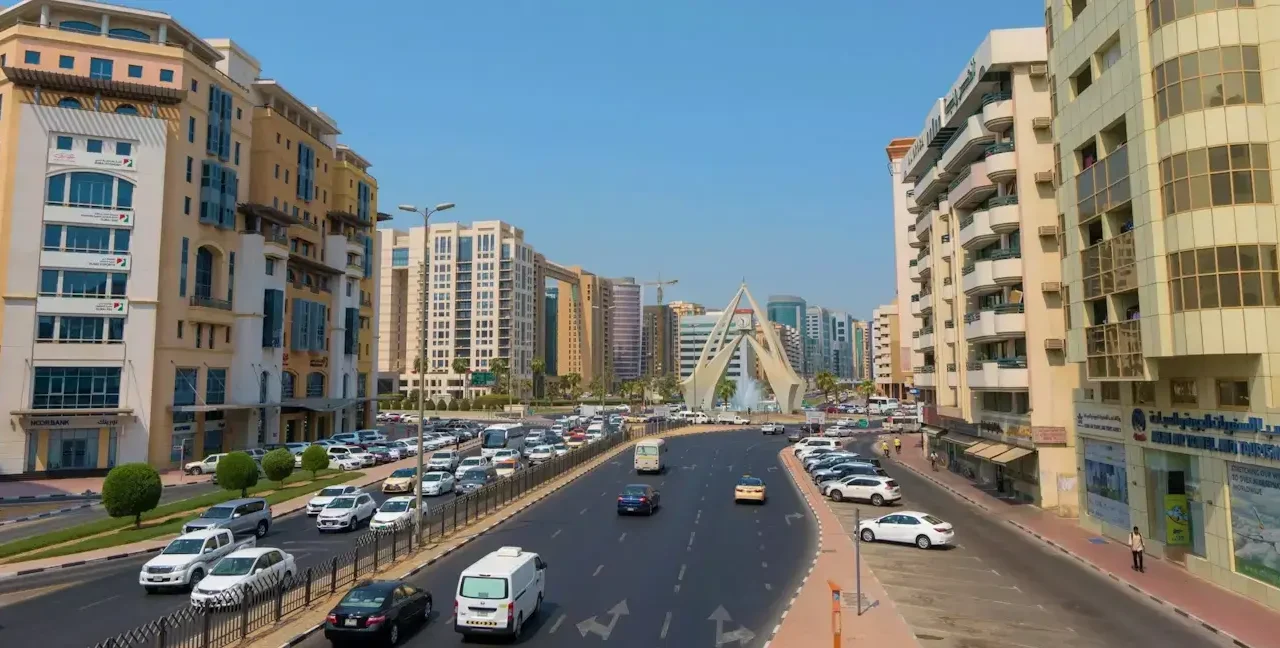

Muteena Dubai is one of the most established residential and mixed-use districts in the eastern part of the city, positioned within the wider Deira zone. It represents the traditional urban fabric of the emirate, where residential apartments, hotels, retail outlets, clinics, small offices, and community parks exist within a tight, walkable grid. Instead of high-rise luxury towers and gated villa clusters, the built form here is defined by mid-rise apartment blocks, older mixed-use buildings, and street-level retail activity that supports everyday life.
From a search intent perspective, people looking for information about this district usually want practical clarity: rental affordability, connectivity, building types, daily convenience, transport access, and suitability for families or working professionals. This guide covers the locality holistically – from housing and lifestyle patterns to amenities, education, healthcare, retail, and investment signals – so it can function as a pillar reference for anyone researching the area.
Muteena Dubai Location and Urban Connectivity
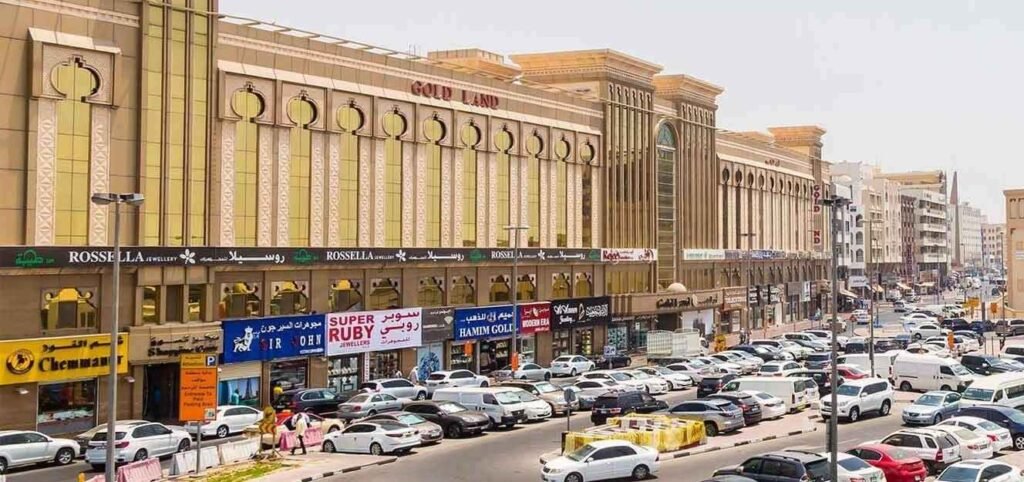
Muteena sits inside the historic commercial-residential belt of Deira and is bordered by several long-established neighborhoods that share similar mixed-use characteristics. The area is framed by major distributor roads including Abu Bakr Al Siddique Road, Salah Al Din Street, Al Rasheed Road, and Omar bin Al Khattab Road. This road framework creates a clearly defined perimeter and allows vehicles to exit toward larger highway systems without navigating deep residential lanes for long.
The internal street pattern follows a practical grid, making navigation easy and improving walkability. Because of this layout, daily errands such as grocery shopping, pharmacy visits, tailoring, salons, cafeterias, and money exchange services are often reachable on foot. Travel time toward central commercial corridors, airport zones, and creekside districts remains relatively short compared with outer suburban communities. This centrality is one of the core functional advantages of the neighborhood.
Community Profile and Neighborhood Character
The social and functional character of the district is shaped by density, diversity, and street-level commerce. The neighborhood is active throughout the day and late into the evening due to hotels, restaurants, retail shops, and service businesses operating at ground level. The population mix includes long-term expatriate residents, working professionals, service-sector employees, and small families who value affordability and central access.
The streetscape is visually different from newer master-planned communities. Instead of uniform architecture, there is variation in building age, façade renovation quality, balcony design, and retail signage. This produces a more organic and layered urban environment. For residents who prefer a lively, practical, and culturally mixed setting, this character is a benefit. For those seeking quiet, low-density, master-planned living, the environment may feel too busy.
Residential Property Types and Building Patterns
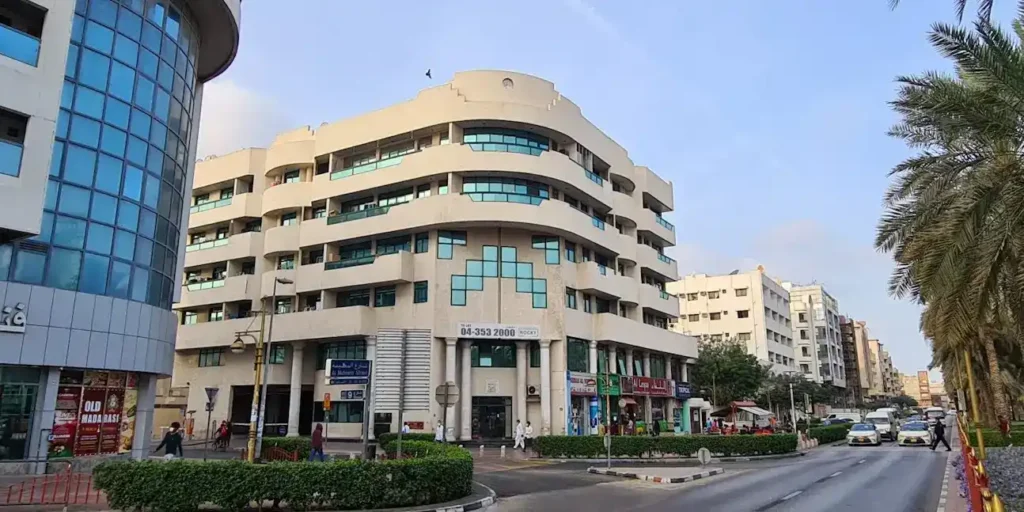
Housing supply in the district is dominated by apartment units within low- to mid-rise buildings. Large villa plots and gated compounds are not a defining feature here. The most common layouts include studios, one-bedroom, two-bedroom, and a smaller number of three-bedroom flats. Ground floors are frequently occupied by shops, mini markets, cafeterias, and service outlets, with residential units above.
Building age varies. Some structures date back decades, while others have undergone façade upgrades and interior refurbishments. Renovated buildings may include improved lobby finishes, upgraded elevators, and modernized apartment interiors, but ultra-luxury specifications are not typical. Unit sizes are often more generous than those found in many newer micro-apartment developments, which increases functional livability.
A notable attribute in some buildings is landlord-covered cooling charges, often marketed as chiller-free arrangements. This can significantly influence total occupancy cost and is a meaningful decision factor for tenants comparing options across older urban districts.
Rental Level Positioning and Market Behavior
From a market positioning standpoint, the district generally sits in the affordable-to-mid rental tier compared with newer lifestyle-focused communities. Pricing behavior is influenced more by building condition, renovation status, parking availability, and proximity to main roads or metro access than by branded development identity.
Studios and one-bedroom units typically attract singles and couples working in nearby commercial zones. Two- and three-bedroom units attract shared households and budget-conscious families. Demand tends to remain stable because of three structural drivers: central location, strong public transport coverage, and dense amenity access. Even during broader market fluctuations, centrally located affordable districts often maintain occupancy through price elasticity.
Investors evaluating rental units here usually focus on yield stability rather than speculative capital appreciation. Tenant turnover can be moderate to high in some buildings, which should be factored into management planning.
Transport Infrastructure and Mobility
Public transport accessibility is one of the strongest functional advantages of the neighborhood. Bus routes run through and around the district with frequent stops along main streets. This supports car-free living for many residents and reduces daily commuting friction.
Metro connectivity is available through nearby stations on the green line, including Salah Al Din Metro Station and Abu Baker Al Siddique Metro Station, while interchange access toward the red line is reachable within a short drive via Al Rigga Metro Station. This layered transit access enables movement toward creek areas, older souks, central business corridors, and coastal districts.
Parking, however, is a constraint in many older buildings. Dedicated basement or podium parking is not universal. Street parking demand can exceed supply, especially during evening hours. For car owners, confirming parking allocation before signing a lease is essential.
Retail, Supermarkets, and Daily Needs
Daily retail infrastructure is dense and distributed across the neighborhood rather than concentrated in a single cluster. Small supermarkets, grocery stores, specialty food shops, pharmacies, tailoring outlets, and discount retailers are embedded within most street blocks. This reduces dependency on long-distance shopping trips for essentials.
Larger grocery and hypermarket options are available nearby, including branches such as Nesto Hypermarket and Carrefour located in surrounding commercial centers. Because of this layered retail structure, residents can choose between quick neighborhood purchases and bulk shopping trips.
Shopping mall access is also convenient, with destinations such as Burj Nahar Mall, Reef Mall, and City Centre Deira within short driving distance, offering fashion, electronics, dining, and entertainment under one roof.
Hotels and Short-Stay Accommodation
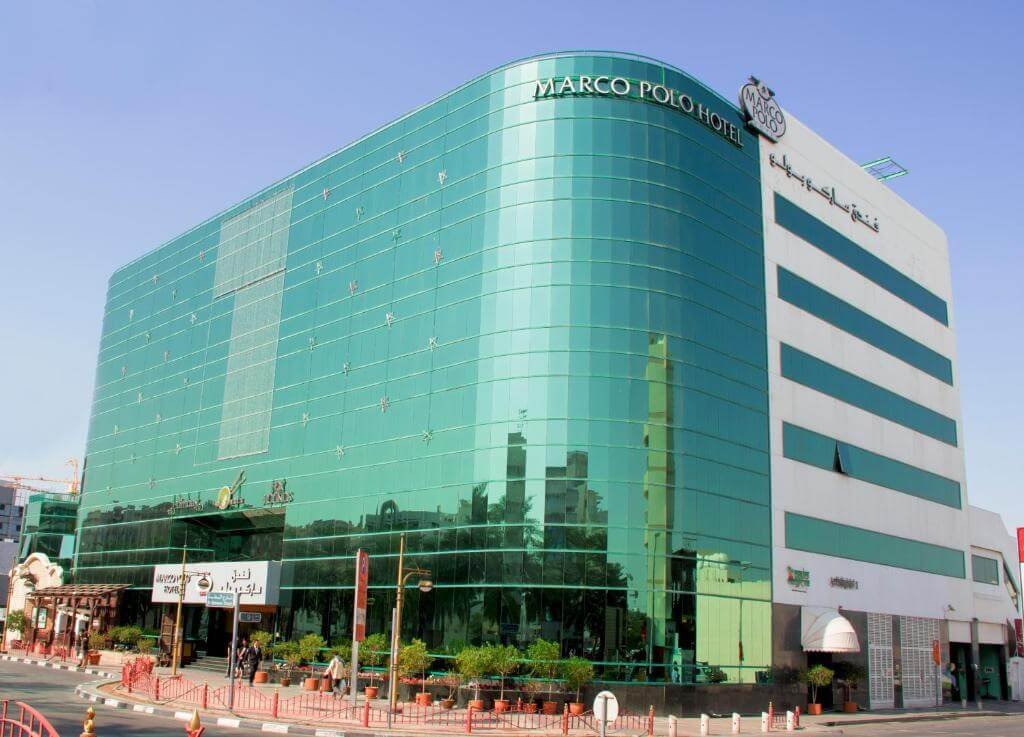
The district contains a notable concentration of hotels ranging from budget to upscale categories. This hospitality presence supports business travel, short-term stays, and visiting family members of residents. It also contributes to the area’s continuous activity pattern, especially along main roads.
Recognized properties in and around the locality include Marco Polo Hotel, Avani Deira Dubai Hotel, Crowne Plaza Deira, and Ramada Deira. Many of these hotels include meeting rooms, restaurants, and wellness facilities, indirectly adding service diversity to the neighborhood.
Education and Child Development Facilities
Nursery and early learning centers are available within short driving distance, offering early years programs aligned with international frameworks. Several primary and secondary schools are reachable within typical school commute times, providing curriculum choices for expatriate families.
Recognized institutions in the wider surrounding zone include Amity School Dubai, The Westminster School, and Dubai Scholars Private School. Because most large schools are located slightly outside the immediate block grid, school transport services and private buses are commonly used by students living here.
Healthcare and Medical Access
Healthcare coverage around the district is strong due to its central urban position. Multi-specialty hospitals, medical centers, dental clinics, and pharmacies operate within short travel time. This reduces risk exposure related to emergency access and routine medical care.
Key facilities serving residents include Dubai Hospital, Belhoul Speciality Hospital, and NMC Medical Centre Deira. The presence of both government and private providers gives residents cost and service-level choice.
Parks, Recreation, and Outdoor Spaces
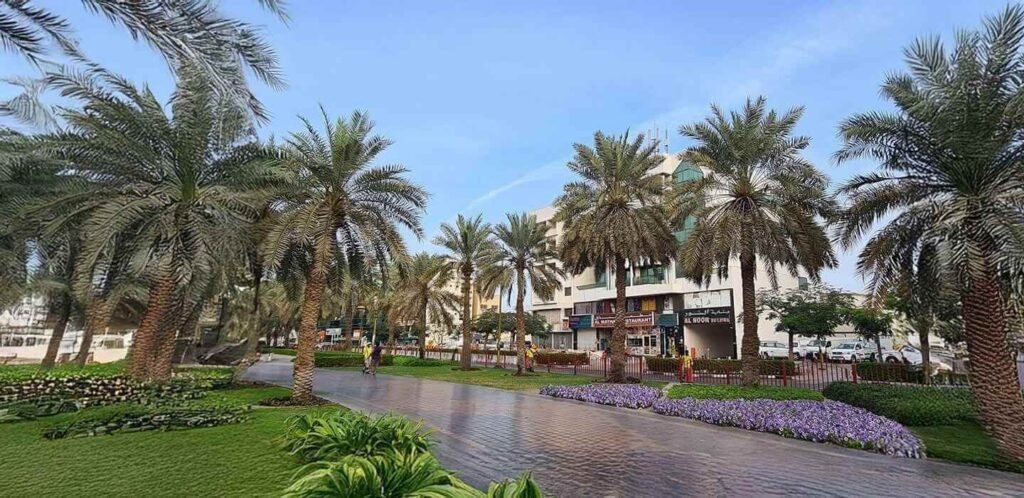
Green space in dense urban districts plays a functional lifestyle role, and the neighborhood benefits from centrally positioned parkland. Al Muteena Park stretches across the community and provides jogging paths, shaded seating, children’s play areas, and landscaped sections. It acts as a social and physical activity anchor, especially during evening hours.
Additional nearby parks such as Burj Nahar Park and Naif Park expand recreational options. Fitness facilities, gyms, and personal training centers are distributed through surrounding blocks and malls, supporting everyday exercise routines.
Dining and Food Culture
Food options are broad, price-diverse, and culturally varied. The district is known more for authentic, affordable dining than for fine-dining concepts. Cafeterias, bakeries, seafood outlets, South Asian restaurants, and Levantine kitchens are common. This creates strong appeal for residents who prefer frequent dining out without premium pricing.
Nearby mall dining adds global chain options such as Nando’s alongside other international brands. Casual dining density ensures that residents rarely need to travel far for varied cuisine choices.
Recommended: Al Fahidi Historical Neighbourhood
Nearby Landmarks and Leisure Destinations
Within moderate driving time, residents can reach leisure and landmark destinations including Dubai Garden Glow, Dubai Creek Golf & Yacht Club, and Zabeel Stadium. These destinations expand weekend and evening recreation choices beyond the immediate neighborhood.
Advantages and Limitations of Living Here
The area’s strongest advantages come from location efficiency, affordability, transport access, and daily convenience density. Walkability, public transport reach, and service availability reduce lifestyle friction and living costs. Apartment sizes are often practical, and rental entry barriers are lower than in many newer districts.
Limitations mainly relate to building age, parking constraints, traffic, and noise levels. Streets can become crowded, and architectural consistency is lower than in master-planned communities. Residents seeking luxury amenities, resort-style facilities, or quiet suburban atmosphere may find misalignment.
Recommended: Al Satwa Big Mosque Dubai
Suitability Profile – Who the Area Fits Best
This neighborhood is especially suitable for working professionals employed in central and eastern business zones, budget-conscious tenants, shared households, and small families who prioritize access and affordability over luxury finishes. It also suits residents who rely on metro and bus networks rather than private vehicles.
FAQs
Is this area good for families?
Yes, for families comfortable with apartment living and urban density, especially those wanting school and healthcare access within short driving distance.
Is public transport sufficient without a car?
Yes, bus and metro coverage allows many residents to live without daily car use.
Are buildings mostly new or old?
Most are older mid-rise structures, with a mix of renovated and non-renovated properties.
Is it good for property investment?
It can be suitable for yield-focused investors targeting steady rental demand rather than luxury resale appreciation.
Conclusion
Muteena Dubai functions as a high-utility, centrally positioned residential district shaped by affordability, density, and connectivity. It delivers strong everyday convenience, layered transport access, and broad amenity coverage within a walkable grid. While it does not compete with luxury lifestyle communities in design or facilities, it performs well on functional living metrics and rental practicality. For tenants and investors focused on value, access, and occupancy resilience, it remains a strategically relevant urban location.

Leave a Reply