
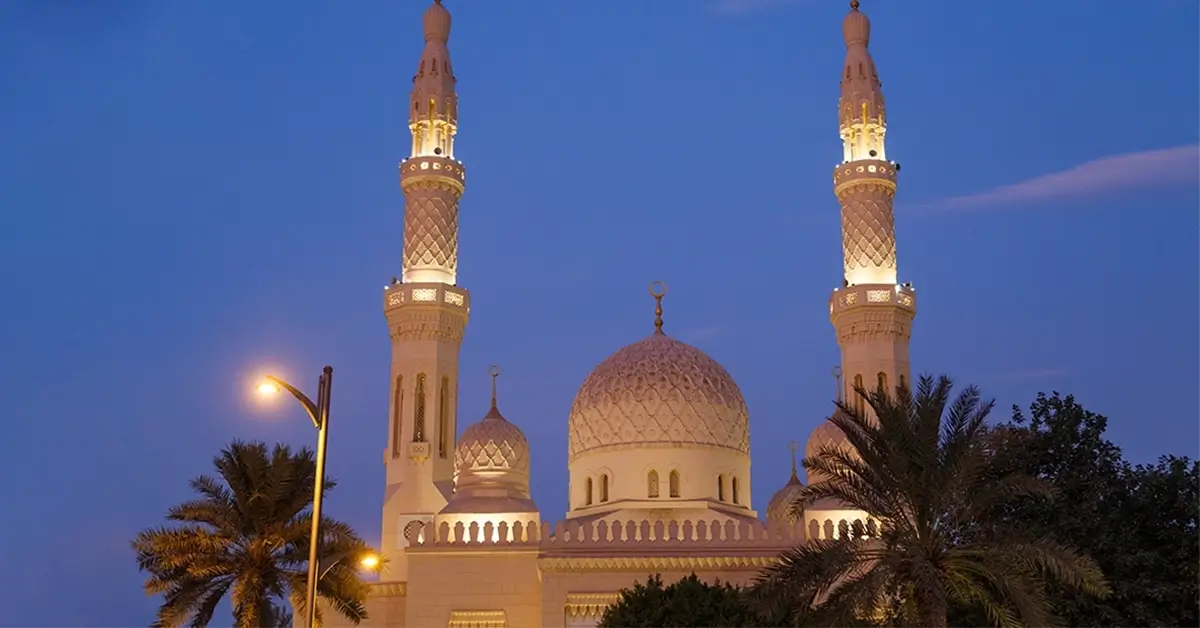

Al Satwa Big Mosque is one of the most important neighborhood prayer centers in the Satwa district and serves as a daily spiritual anchor for residents living between Jumeirah and the inner-city commercial belt. Known locally as Al Satwa Al Kabeer Masjid, it is recognized for its large capacity, traditional design, and strong connection with the surrounding community. Unlike highly touristic mosques, this one reflects everyday religious life, regular worship routines, and local engagement.
The mosque is not only a place for the five daily prayers and the Friday sermon, but also a social and educational space where religious lessons, Quran study, and seasonal gatherings take place. Because of its central position on Satwa Road and its scale, it is often used as a reference point when describing the neighborhood and nearby residential zones.
Al Satwa Big Mosque Location and Urban
The mosque sits directly on Al Satwa Road within a dense mixed-use district made up of low- to mid-rise residential buildings, local shops, tailoring stores, and casual dining spots. This part of Dubai is known for its older urban fabric, walkable streets, and long-established communities. The setting gives the mosque constant daily foot traffic and makes it easily reachable without long detours.
Its position places it within short driving distance of major city corridors and established districts. Residents from nearby apartment clusters often reach it on foot, while visitors from other areas usually arrive by bus, taxi, or a short metro-plus-walk combination. Because it is embedded in an active neighborhood rather than a gated zone, it feels integrated into daily city life rather than isolated from it.
Architecture and Design Character
The structure follows a classic mosque layout with a dominant central dome, a tall minaret, arched openings, and geometric decorative elements. The exterior uses light tones that reflect heat and enhance visibility during the day. The visual language is traditional and balanced, focusing on symmetry and clarity rather than excessive ornamentation.
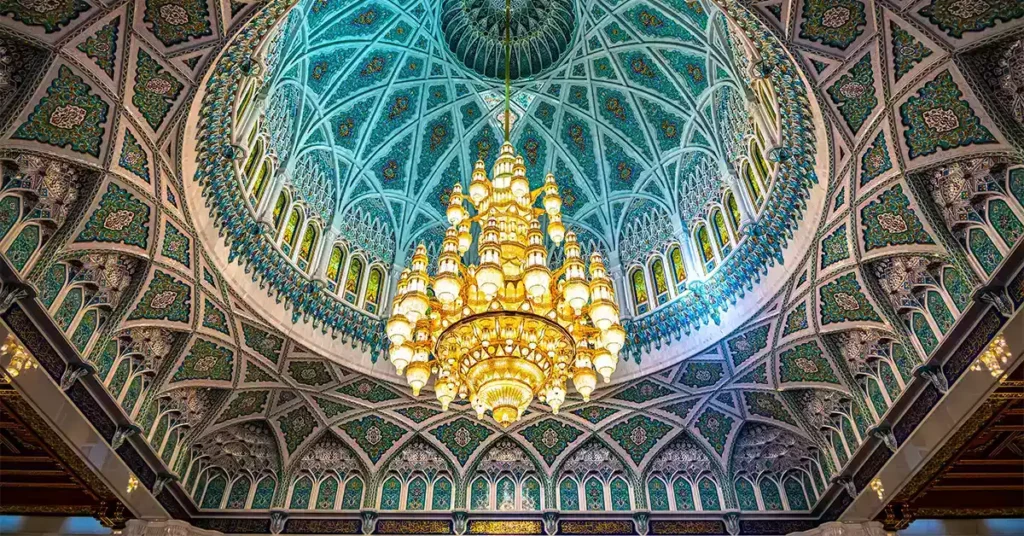
Inside, the prayer hall is spacious and designed for comfort and order. Carpeting, lighting, and ventilation are arranged to support large congregations. The mihrab and front prayer lines are clearly defined, and sound projection supports clear recitation during daily prayers and the Friday sermon. The design prioritizes function, calmness, and clarity of movement for worshippers entering, praying, and exiting.
Recommended: Dubai Opera
Capacity, Facilities, and Comfort
Al Satwa Big Mosque can accommodate roughly 1,200 worshippers at full capacity, which makes it one of the larger prayer spaces in the district. This capacity is especially important during Friday prayers, Ramadan nights, and Eid gatherings when attendance increases significantly.
Facilities are structured to support regular high usage. Worshippers benefit from clean ablution areas, organized entry points, and maintained interiors. A dedicated prayer space for women is available, and entrances are accessible for people with limited mobility. Lighting and cleanliness are frequently highlighted by visitors as strong points, contributing to a focused and peaceful prayer environment.
Prayer Schedule and Daily Operations
The mosque operates daily in alignment with the five obligatory prayer times, opening early in the morning and closing later in the evening after the night prayer. Activity rises and falls throughout the day based on prayer intervals, with the largest weekly gathering taking place during the Friday sermon.
Typical daily rhythm includes:
- Early morning opening before dawn prayer
- Steady flow during midday and afternoon prayers
- Peak weekly attendance at Friday noon prayer
- Extended evening presence during religious seasons
Because schedules shift slightly across the year, visitors usually check the current local prayer timetable before planning a visit.
Recommended: Dubai Creek
Community Role and Religious Activities
Beyond daily worship, the mosque functions as a neighborhood learning and gathering center. It regularly hosts sermons, study circles, and seasonal programs. During Ramadan and other important periods, attendance increases and the building becomes a focal point for nightly prayers and community interaction.
The atmosphere is widely described as welcoming and orderly. Regular attendees often include workers, families, and long-term residents from diverse backgrounds. This diversity creates a multilingual and multicultural environment while maintaining consistent prayer practices and etiquette.
Visiting Rules and Cultural Etiquette
Visitors are generally welcome to observe from outside prayer times, especially when visits are arranged respectfully. As with most mosques in the city, modest dress and quiet behavior are required. The goal is to preserve the prayer atmosphere and respect worshippers.
Basic expectations include:
- Shoulders and legs covered for all visitors
- Head covering for women
- Shoes removed before entering prayer areas
- Phones on silent mode
- No photography of worshippers without permission
Non-Muslim visitors are typically advised to come outside active prayer moments or through organized cultural visits.
Accessibility and Transport Options
Reaching the mosque is straightforward due to its central placement and public transport coverage. Several bus stops are located within short walking distance, making bus travel one of the easiest options. Major bus routes serve the Satwa corridor throughout the day.
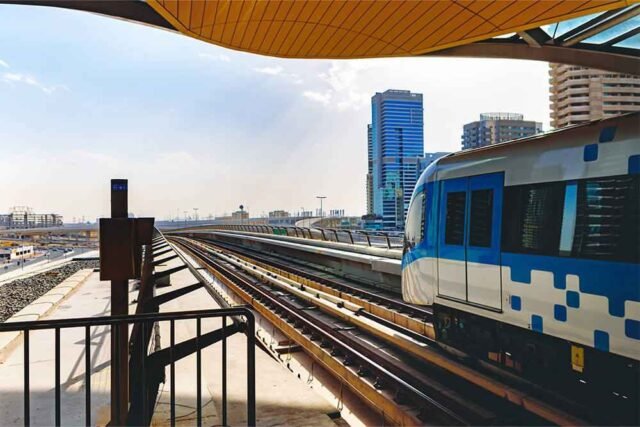
The nearest metro stations on the Red Line are within a moderate walking or short taxi distance. Many visitors combine metro travel with a quick ride-hailing trip for convenience. Taxis and app-based cars can stop directly on the main road nearby.
Parking is available around the mosque, but it becomes crowded during peak prayer periods, especially on Fridays. Arriving early or using public transport reduces delays.
Nearby Food, Shopping, and City Stops
One of the advantages of visiting this mosque is its position inside a lively, affordable food and shopping district. The surrounding streets are known for casual restaurants, textile shops, tailoring services, and mural-covered walls that reflect local culture.
Within a short radius, visitors can combine a visit with:
- Popular casual dining spots known for South Asian and Middle Eastern food
- Street art corridors along 2nd December Street
- Budget shopping and fabric markets
- Established neighborhood eateries
This makes the area suitable for a short cultural walk rather than a single-stop visit.
Comparison with Tourist-Oriented Mosques
Some mosques in Dubai are structured around guided tours and visitor programs, while Al Satwa Big Mosque is primarily built for daily worship and local use. This difference affects visitor experience, crowd patterns, and programming.
| Aspect | Neighborhood Mosque | Tour-Oriented Mosque |
|---|---|---|
| Main purpose | Daily worship | Education + tourism |
| Visitor flow | Prayer-time centered | Scheduled tours |
| Atmosphere | Local, routine-based | Structured, guided |
| Access style | Respect-based timing | Pre-arranged entry |
Travelers seeking authentic daily religious life often prefer neighborhood mosques, while first-time cultural visitors may choose tour-focused ones.
Strengths and Limitations
The mosque is widely appreciated for its scale, cleanliness, and welcoming environment, but like any busy urban prayer center, it has practical constraints.
Strengths
- Large and comfortable prayer hall
- Strong neighborhood connection
- Easy road and bus access
- Well-maintained facilities
Limitations
- Parking pressure at peak times
- Limited visitor access during active prayers
- High congestion on Fridays and holidays
Who Should Visit or Use This Mosque
This mosque is best suited for residents living in and around Satwa, Jumeirah-side apartment districts, and nearby central zones who want a large, reliable place for daily and Friday prayers. It is also suitable for culturally curious visitors who prefer observing real neighborhood religious life rather than formal tours.
It fits well for:
- Nearby apartment residents
- Workers in central districts
- Visitors exploring older inner-city neighborhoods
- Those combining prayer with a Satwa walking tour
FAQs
What is the capacity of Al Satwa Big Mosque?
It can host around 1,200 worshippers at once, making it one of the larger prayer facilities in the district.
Is there a prayer area for women?
Yes, a dedicated women’s prayer section is available along with separate facilities.
Can non-Muslims visit?
Visits are generally possible outside prayer times with modest dress and respectful behavior, or through organized cultural visits.
When is it most crowded?
Friday noon prayer and major religious occasions see the highest attendance.
Is parking easy?
Parking exists nearby but becomes difficult during peak prayer periods. Public transport is often more convenient.
Conclusion
Al Satwa Big Mosque stands as a major spiritual landmark within one of Dubai’s most character-rich districts. Its large capacity, traditional design, and daily community role make it more than just a place of worship-it is a steady social and cultural anchor for the surrounding neighborhood. Visitors experience a calm, authentic environment shaped by routine prayer, learning, and local interaction. When combined with the walkable streets, food spots, and markets around it, a visit here offers both spiritual value and urban cultural insight.


Leave a Reply