
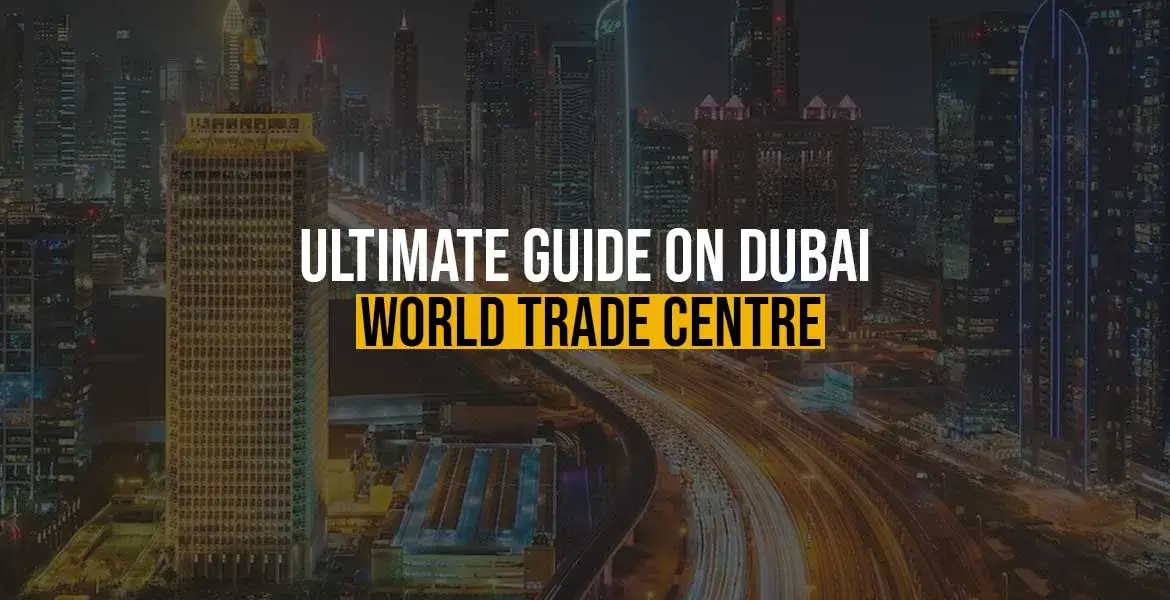

Dubai World Trade Centre, commonly known as DWTC, is one of the most influential commercial districts in Dubai and a landmark that helped shape the city’s modern identity. Positioned along Sheikh Zayed Road in the central corridor of Dubai, the area functions as a business, exhibition, hospitality, and mixed-use destination that connects old Dubai with the city’s newer financial and residential hubs. It is widely recognised as the venue for global exhibitions, corporate conferences, trade fairs, and international networking events that attract visitors from around the world throughout the year.
Originally inaugurated in 1979 as Sheikh Rashid Tower, the development started as a single skyscraper that symbolised Dubai’s economic ambitions. Over the decades, the district evolved into a large-scale commercial ecosystem featuring exhibition halls, hotels, serviced residences, corporate offices, retail spaces, and event venues. Today, Dubai World Trade Centre stands as a strategic business zone that supports industries including technology, healthcare, hospitality, finance, logistics, construction, and media.
The area appeals to professionals, investors, exhibitors, entrepreneurs, and residents seeking central connectivity and access to major business districts. Its proximity to Downtown Dubai, DIFC, Business Bay, Al Satwa, and Zabeel strengthens its role as one of the most strategically located communities in the emirate.
Dubai World Trade Centre Location and Connectivity
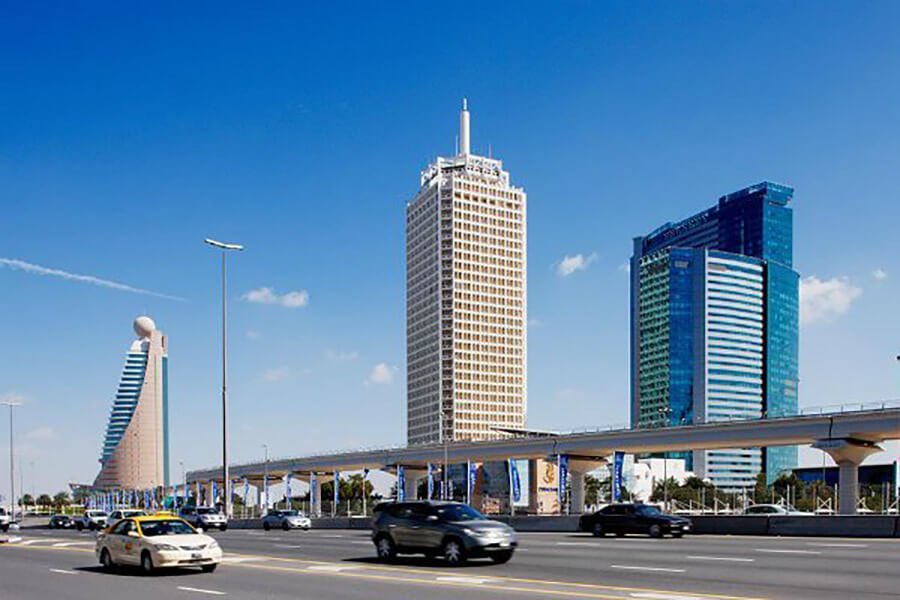
One of the strongest advantages of Dubai World Trade Centre is its central location. The district sits directly on Sheikh Zayed Road, Dubai’s primary highway corridor that connects the emirate from north to south. This positioning allows residents, business travellers, and visitors to move efficiently between major commercial and lifestyle destinations across the city.
The area lies close to several important districts, including Downtown Dubai, DIFC, Business Bay, Jumeirah, and Deira. Dubai International Airport is also accessible within a relatively short drive, making the district particularly convenient for international business travellers and exhibitors attending major events.
Public transportation is one of the defining strengths of the community. The World Trade Centre Metro Station on the Dubai Metro Red Line provides direct connectivity to multiple parts of the city, including Dubai Marina, Mall of the Emirates, BurJuman, and Dubai International Airport. During large-scale exhibitions and conferences, the metro becomes the preferred transportation method due to heavy road traffic around the venue.
The district is additionally supported by:
- RTA taxi services
- Uber and Careem ride-hailing options
- Dedicated drop-off zones
- Extensive pedestrian pathways
- Bus connectivity near major hotels and towers
- Multiple parking facilities with valet services
For professionals working across Dubai, the location reduces commuting time and offers convenient access to both traditional business districts and newer commercial zones.
History and Development of Dubai World Trade Centre
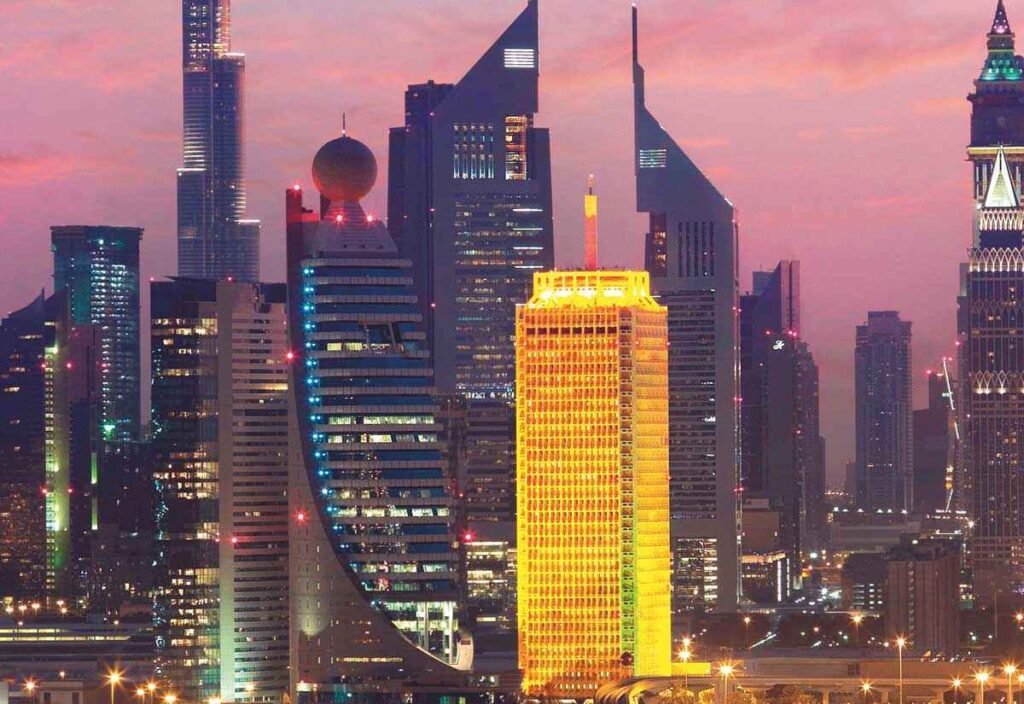
Dubai World Trade Centre has deep historical significance within Dubai’s urban development story. When Sheikh Rashid Tower was completed in 1979, it became the tallest building in Dubai and one of the most recognisable structures in the Middle East. At the time, the tower symbolised Dubai’s transformation into an international commercial gateway.
Designed by John R. Harris and Partners, the original tower stood at approximately 149 metres with 39 floors above ground. The building later appeared on the AED 100 currency note, further reflecting its importance within the UAE’s architectural history.
Over time, the district expanded into a much larger convention and exhibition complex. Exhibition halls, conference spaces, hotels, office towers, and commercial developments were added gradually to support Dubai’s growing economy and international trade ambitions.
Major expansions included:
- Development of Dubai International Convention and Exhibition Centre
- Addition of Sheikh Saeed Halls
- Construction of Convention Tower
- Launch of One Central commercial district
- Expansion of hospitality infrastructure
- Establishment of Dubai World Trade Centre Authority free zone
The district now hosts thousands of local and international businesses while supporting major global exhibitions that generate significant economic activity for Dubai every year.
Community Overview and Urban Environment
Dubai World Trade Centre is primarily a mixed-use commercial district with a strong corporate atmosphere. Unlike beachfront communities or suburban residential neighbourhoods, the area is designed around business activity, events, hospitality, and professional services.
The environment combines:
- Exhibition facilities
- Corporate office towers
- Serviced residences
- Hotels
- Restaurants and cafés
- Retail outlets
- Event venues
- Business support services
The daytime population in the area is extremely active, especially during major exhibitions such as technology expos, healthcare conferences, food industry events, and trade fairs. During evenings, the atmosphere becomes quieter compared to communities like Dubai Marina or Downtown Dubai.
Despite its business-oriented character, the district still offers a balanced urban lifestyle due to its central location and nearby leisure attractions. Residents can easily access restaurants, shopping malls, beaches, parks, fitness centres, and entertainment destinations within a short driving distance.
The area is particularly suitable for:
- Corporate professionals
- Entrepreneurs
- Frequent business travellers
- Investors seeking central locations
- Event industry professionals
- Executives working in DIFC or Downtown Dubai
Properties in Dubai World Trade Centre
The real estate landscape in Dubai World Trade Centre is relatively limited compared to large master-planned residential communities. However, the properties available within the district are generally premium, centrally located, and designed for professionals or short-term executive stays.
The area includes a combination of:
- Commercial office spaces
- Serviced apartments
- Luxury residences
- Hospitality developments
- Mixed-use towers
One of the most recognised residential developments is Jumeirah Living World Trade Centre Residence. This upscale project consists of two towers offering serviced apartments and luxury residences with high-end amenities and hotel-style services.
Residential options include:
- 1-bedroom apartments
- 2-bedroom apartments
- 3-bedroom residences
- Duplex apartments
- Panoramic duplex units
- Fully serviced accommodations
These residences are designed for executives, diplomats, corporate tenants, and long-term business travellers who prioritise central access and premium living standards.
The interiors typically feature:
- Fully equipped kitchens
- Large living spaces
- Modern bathrooms
- Concierge services
- Fitness facilities
- Swimming pools
- Dining venues
- Housekeeping services
Commercial real estate remains a dominant segment within the district. Office towers around DWTC attract multinational companies, government entities, technology firms, and financial service providers due to the strategic location and strong infrastructure.
Commercial Importance and Business Ecosystem
Dubai World Trade Centre plays a central role in Dubai’s economy and international business reputation. The district functions as one of the UAE’s leading convention and exhibition destinations and serves as a gateway for global trade relationships across the Middle East, Africa, and South Asia.
The area hosts internationally recognised events covering industries such as:
- Technology
- Artificial intelligence
- Healthcare
- Construction
- Real estate
- Food and beverage
- Beauty and cosmetics
- Hospitality
- Logistics
- Finance
Major events hosted at the venue attract global investors, business leaders, exhibitors, and government representatives. This continuous business activity supports hotels, restaurants, transport services, retail businesses, and nearby commercial districts.
The establishment of Dubai World Trade Centre Authority further strengthened the district’s commercial appeal by introducing free zone benefits for businesses. Thousands of companies from various sectors now operate within the ecosystem, contributing to Dubai’s position as a regional business hub.
The One Central development expanded the district’s modern office inventory and introduced contemporary workspaces integrated with lifestyle and retail amenities. This transformation helped position the area as more than just an exhibition venue; it became a year-round commercial destination.
Hotels and Hospitality Options
Hospitality infrastructure is one of the major strengths of Dubai World Trade Centre. The district contains several business-oriented hotels catering to exhibitors, conference attendees, tourists, and corporate travellers.
The most prominent hotels within or near the district include:
- Novotel World Trade Centre
- Ibis World Trade Centre
- Ibis One Central
- Crowne Plaza
- Fairmont Dubai
- Jumeirah Emirates Towers
These hotels are strategically positioned within walking distance of exhibition halls and metro connectivity, allowing visitors to attend events conveniently without relying heavily on transportation.
Most hospitality properties in the area focus on business travel experiences, offering:
- Meeting rooms
- Business lounges
- Conference facilities
- Restaurants and bars
- Fitness centres
- Swimming pools
- Executive suites
- Concierge services
During major exhibitions, hotel occupancy rates in the district increase significantly due to international visitor demand.
Lifestyle and Daily Living Experience
Living near Dubai World Trade Centre offers a fast-paced urban lifestyle centred around convenience and connectivity. Residents benefit from proximity to major business hubs while remaining close to entertainment, shopping, and leisure destinations.
The district is not primarily designed as a family-focused suburban community. Instead, it appeals more to professionals and executives who prefer central living and shorter commute times.
Daily life in the area includes easy access to:
- Cafés and restaurants
- Convenience stores
- Pharmacies
- Fitness centres
- Business services
- Metro connectivity
- Nearby malls
- Healthcare facilities
The atmosphere becomes particularly energetic during international exhibitions, where the district transforms into a highly active networking and commercial environment. Outside event periods, the area maintains a quieter corporate feel.
The location also allows quick access to beaches such as Jumeirah Beach and La Mer, helping residents balance business-oriented living with leisure activities.
Shopping and Dining Options
Although Dubai World Trade Centre is primarily a commercial district, residents and visitors have access to a wide variety of shopping and dining experiences nearby.
Dubai Mall, one of the world’s largest shopping destinations, is located only a short drive away. Residents can also access smaller retail centres and convenience outlets around Sheikh Zayed Road and Al Satwa.
Dining options within and around the district include:
- International cafés
- Business lunch venues
- Gourmet burger restaurants
- Japanese dining concepts
- Pizza restaurants
- Lebanese cuisine
- Fine dining venues
- Hotel lounges and bars
The surrounding Sheikh Zayed Road corridor is especially known for upscale dining experiences and nightlife venues within luxury hotels.
Many restaurants cater specifically to corporate professionals, offering quick service during business hours and sophisticated dining experiences in the evenings.
Nearby Attractions and Landmarks
Dubai World Trade Centre benefits greatly from its proximity to several iconic landmarks and cultural destinations across Dubai.
Nearby attractions include:
- Museum of the Future
- Dubai Frame
- Zabeel Park
- Burj Khalifa
- Dubai Mall
- DIFC
- Etihad Museum
- Jumeirah Beach
- La Mer
The Museum of the Future has become one of the area’s defining architectural landmarks, while Zabeel Park provides green outdoor recreational space close to the business district.
Residents and visitors can also access Dubai Garden Glow, fitness facilities, sports venues, and waterfront destinations within a short travel time.
This combination of commercial infrastructure and nearby entertainment enhances the overall attractiveness of the area for both living and business activities.
Transportation and Accessibility
Transportation infrastructure remains one of the strongest competitive advantages of Dubai World Trade Centre. The district is designed to accommodate large visitor volumes while maintaining direct connectivity with major parts of Dubai.
The World Trade Centre Metro Station provides efficient rail access across Dubai’s Red Line corridor. For professionals commuting daily, this reduces dependency on private vehicles and helps avoid traffic congestion during peak periods.
Road connectivity includes:
- Sheikh Zayed Road
- Happiness Street
- 2nd Zabeel Street
- Al Mustaqbal Street connections
Parking infrastructure is extensive, with thousands of parking spaces available across paid, free, and valet-managed facilities.
The district also accommodates modern mobility requirements through electric vehicle charging stations and organised ride-hailing pick-up points.
Schools, Healthcare, and Essential Services
Although Dubai World Trade Centre is not a heavily residential community, residents still have access to important daily services nearby.
Several nurseries and schools are located within surrounding districts such as Al Satwa, Al Jafiliya, and DIFC. Educational options include nurseries, primary schools, language institutes, and business training centres.
Healthcare facilities are accessible through nearby clinics and hospitals along Sheikh Zayed Road and Dubai Healthcare City. Residents can quickly reach:
- Emirates Hospital Clinics
- Mediclinic facilities
- American Hospital Dubai
- Specialty healthcare centres
- Pharmacies within the district
The area’s central location ensures essential services remain easily accessible without long travel times.
Investment Potential of Dubai World Trade Centre
Dubai World Trade Centre holds strong long-term investment relevance due to its strategic positioning and commercial importance. Real estate demand in the district is closely connected to Dubai’s broader business growth, tourism expansion, and exhibition economy.
Key investment strengths include:
- Central Sheikh Zayed Road location
- Strong commercial demand
- High business activity
- Premium hospitality infrastructure
- Metro connectivity
- Proximity to DIFC and Downtown Dubai
- International visitor traffic
- Limited residential inventory
Serviced apartments and executive residences tend to attract corporate tenants, business travellers, and expatriate professionals seeking convenience and central accessibility.
Commercial office demand also remains relatively resilient because the district functions as a gateway for multinational business operations.
However, investors should also consider factors such as event-related congestion, premium pricing, and the area’s corporate-focused atmosphere before making purchasing decisions.
Pros and Cons of Living Near Dubai World Trade Centre
Advantages
Dubai World Trade Centre offers one of the most central locations in the emirate. Residents enjoy excellent transportation access, proximity to business districts, and easy connectivity to shopping, dining, and entertainment destinations. The district also benefits from strong infrastructure and premium hospitality services.
Professionals working in DIFC, Downtown Dubai, or Sheikh Zayed Road often find the area highly practical due to shorter commute times and metro accessibility.
Challenges
The district can become heavily congested during major exhibitions and conferences. Traffic levels increase significantly when global events are taking place, especially around exhibition halls and surrounding roads.
Additionally, the area has a more corporate and commercial atmosphere compared to leisure-oriented waterfront communities. Families seeking parks, suburban villas, and quieter residential environments may prefer alternative neighbourhoods.
Who Should Live in Dubai World Trade Centre?
Dubai World Trade Centre is ideal for individuals who prioritise accessibility, business connectivity, and central urban living.
The area particularly suits:
- Corporate executives
- Business owners
- Consultants
- Event industry professionals
- Frequent travellers
- Investors
- Professionals working in DIFC or Downtown Dubai
Residents who value walkability to business venues and fast city-wide transportation will appreciate the location significantly.
However, those seeking beachfront lifestyles, large villa communities, or family-focused suburban environments may prefer other parts of Dubai.
FAQs
Where is Dubai World Trade Centre located?
Dubai World Trade Centre is located along Sheikh Zayed Road in central Dubai, close to DIFC, Downtown Dubai, and Zabeel.
What is Dubai World Trade Centre known for?
The district is internationally recognised for hosting exhibitions, conferences, trade fairs, business events, and corporate gatherings across multiple industries.
Is Dubai World Trade Centre a good place to live?
The area is suitable for professionals and business travellers seeking central access and strong transportation connectivity. It is less suited for those looking for suburban family-oriented living.
Does Dubai World Trade Centre have metro access?
Yes, the district has direct access through the World Trade Centre Metro Station on the Dubai Metro Red Line.
What types of properties are available in the area?
The area mainly offers office spaces, serviced apartments, luxury residences, and hospitality developments.
Is Dubai World Trade Centre a free zone?
Yes, Dubai World Trade Centre Authority operates as a free zone supporting businesses across multiple industries.
What are the major attractions near DWTC?
Nearby attractions include Museum of the Future, Dubai Frame, Zabeel Park, Burj Khalifa, DIFC, and Dubai Mall.
Conclusion
Dubai World Trade Centre represents far more than an exhibition venue. It is one of Dubai’s foundational commercial districts and a landmark that reflects the emirate’s evolution into a global business destination. With its strategic location, integrated transportation network, hospitality infrastructure, and strong business ecosystem, the district continues to play a major role in Dubai’s economic and urban development.
The area appeals primarily to professionals, entrepreneurs, investors, and international business travellers who value accessibility, convenience, and central positioning. While it may not offer the beachfront leisure atmosphere found in coastal communities, it compensates through unmatched commercial connectivity and direct access to some of Dubai’s most important destinations.
As Dubai continues expanding its global influence in trade, finance, tourism, and technology, Dubai World Trade Centre is expected to remain one of the city’s most important commercial and event-driven hubs for years to come.

Leave a Reply