
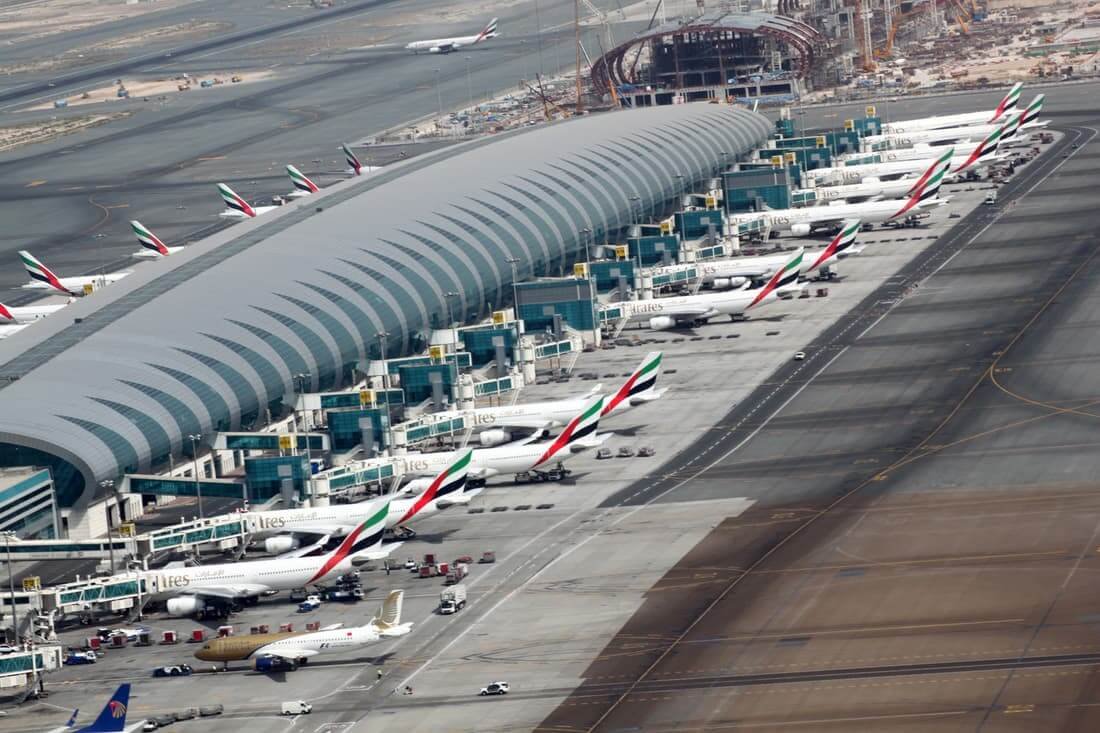

Dubai International Airport stands as one of the most influential aviation hubs in the world, playing a central role in connecting global travel routes across continents. Located in the Al Garhoud district, just a short distance from central Dubai, the airport has evolved into a critical gateway for both international passengers and cargo movement. Its strategic position between East and West allows it to function as a natural transit point, making it a preferred choice for connecting flights across Europe, Asia, Africa, and the Americas.
Handling over 90 million passengers annually, the airport consistently ranks among the busiest globally for international traffic. Its operational scale reflects not only the growth of Dubai as a global city but also the increasing importance of air travel in supporting tourism, trade, and real estate development. The airport operates around the clock, supported by advanced infrastructure, efficient systems, and a vast network of airlines connecting to hundreds of destinations worldwide.
From a real estate and economic perspective, the airport significantly influences surrounding communities, commercial zones, and property demand. Its proximity to major residential and business districts enhances accessibility, making nearby areas highly attractive for both investors and end-users.
Dubai International Airport Location and Connectivity in Dubai
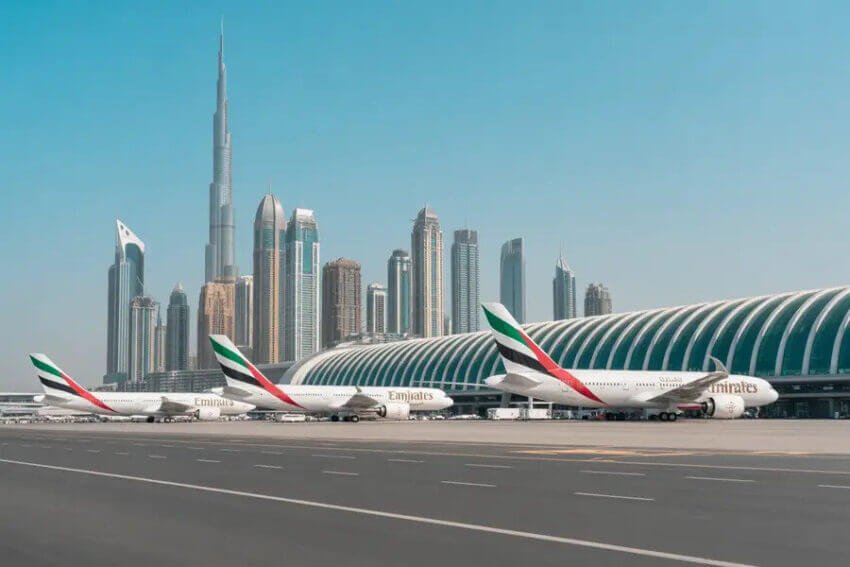
Dubai International Airport is positioned approximately 5 kilometers from the city center, offering seamless access to key urban areas such as Downtown Dubai, Deira, and Business Bay. This proximity ensures that travelers can reach major landmarks, business districts, and residential communities within a short drive.
The airport’s location enhances its integration into Dubai’s urban infrastructure. It is surrounded by well-developed road networks and public transport systems, allowing efficient movement of passengers and goods. The accessibility factor plays a vital role in boosting property values in nearby areas, particularly those catering to professionals, frequent travelers, and short-term rental markets.
Connectivity extends beyond road access. The airport is directly linked to the metro system, providing a fast and cost-effective alternative to private transport. This multi-modal accessibility supports Dubai’s broader vision of a connected and sustainable city.
Historical Development and Growth
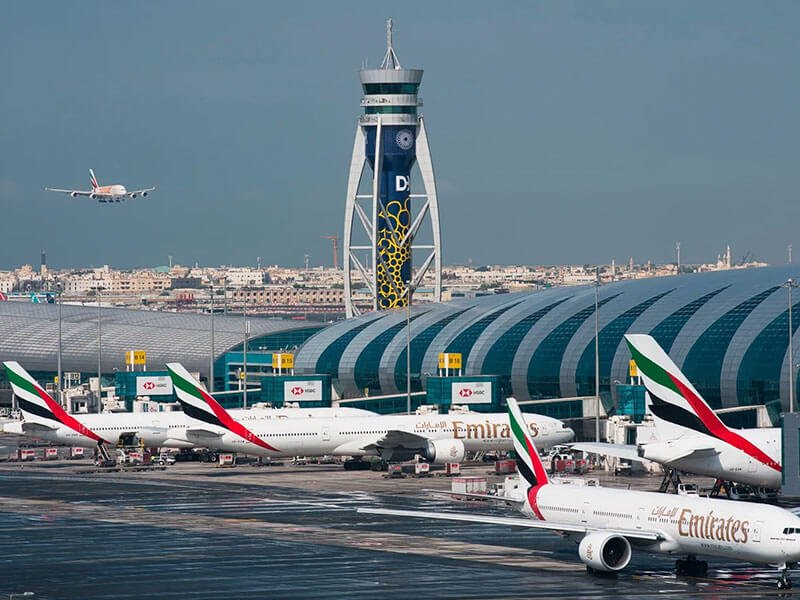
The evolution of Dubai International Airport reflects the broader transformation of Dubai from a regional trading hub into a global metropolis. The airport began operations in 1960 with a modest infrastructure designed to accommodate small aircraft. Over the decades, continuous expansion and modernization have turned it into a world-class aviation facility.
Significant milestones include the introduction of asphalt runways in the 1960s, expansion to accommodate wide-body aircraft in the 1970s, and the development of modern terminals in the late 20th and early 21st centuries. Each phase of development was driven by increasing passenger demand and advancements in aviation technology.
The early 2000s marked a period of rapid growth, with large-scale investments in terminal construction, cargo facilities, and supporting infrastructure. The introduction of advanced systems, such as automated baggage handling and smart immigration processes, further enhanced operational efficiency.
Today, the airport continues to evolve, with ongoing improvements in passenger experience, sustainability initiatives, and integration with future aviation projects. Its development trajectory highlights Dubai’s long-term commitment to maintaining its position as a global aviation leader.
Terminal Infrastructure and Layout
Dubai International Airport consists of three main passenger terminals, each designed to handle specific types of traffic while ensuring efficiency and comfort. The layout is carefully planned to support seamless passenger movement and high operational capacity.
Terminal 1
Terminal 1 primarily serves international airlines and is connected to a dedicated concourse. It features modern check-in facilities, immigration services, and a wide range of retail and dining options. The terminal has undergone several upgrades to enhance passenger flow and reduce waiting times, making it suitable for high-volume international travel.
Terminal 2
Terminal 2 caters mainly to regional and low-cost carriers. It operates separately from the other terminals but offers improved facilities, including expanded check-in areas and upgraded boarding systems. Despite being smaller in scale, it plays a crucial role in handling regional connectivity and budget travel segments.
Terminal 3
Terminal 3 is the largest and most advanced terminal at the airport. Designed to handle a significant portion of passenger traffic, it includes multiple concourses and extensive facilities. The terminal supports high-capacity aircraft and features advanced systems for baggage handling and passenger processing.
The integration between terminals allows for efficient transit, particularly between Terminals 1 and 3, where passengers can move without clearing immigration. Shuttle services and automated systems ensure connectivity with Terminal 2.
Passenger Experience and Facilities
Dubai International Airport is designed to provide a comprehensive travel experience, combining efficiency with luxury. Passengers benefit from a wide range of facilities that cater to different needs, from basic services to premium offerings.
The airport offers extensive retail options through duty-free shopping areas, featuring luxury brands, electronics, and travel essentials. Dining options range from quick-service outlets to fine dining restaurants, ensuring a variety of choices for travelers.
Business travelers and premium passengers have access to exclusive lounges, offering comfortable seating, dining, and workspaces. Additional services include business centers, meeting rooms, and concierge assistance.
Technology plays a key role in enhancing the passenger experience. Smart gates, self-check-in kiosks, and automated systems streamline processes, reducing waiting times and improving efficiency. Free Wi-Fi and digital services ensure connectivity throughout the airport.
Special assistance services are also available, including accessibility support, medical facilities, and family-friendly amenities. These features make the airport suitable for a diverse range of travelers.
Transportation and Accessibility
Access to and from Dubai International Airport is facilitated by a well-developed transportation network. Travelers can choose from multiple options depending on their preferences and budget.
Taxis are widely available and provide a convenient way to reach various parts of the city. Ride-hailing services offer an alternative with digital booking and fare transparency. For those who prefer driving, car rental services are available within the airport.
Public transport plays a significant role in accessibility. The metro system connects directly to the airport, offering a fast and economical option for reaching key destinations. Bus services further extend connectivity to different مناطق of the city.
Shuttle services operate between terminals and also connect the airport with other aviation hubs in Dubai. Parking facilities include short-term and long-term options, catering to both passengers and visitors.
The combination of these transport modes ensures that the airport remains easily accessible, supporting its role as a central hub for travel and commerce.
Air Traffic and Global Connectivity
Dubai International Airport serves as a major hub for international airlines, connecting over 270 destinations worldwide. The airport operates thousands of weekly flights, linking major cities across continents.
A significant portion of passengers are transit travelers, highlighting the airport’s role as a global connection point. Its strategic location allows for efficient routing of flights between East and West, reducing travel times and enhancing connectivity.
The airport also handles substantial cargo volumes, supporting trade and logistics across regions. Its cargo facilities are among the largest globally, enabling efficient movement of goods, including perishable items and high-value shipments.
The diversity of airlines and destinations ensures that the airport remains a key player in global aviation, supporting tourism, business travel, and international trade.
Economic Impact and Real Estate Influence
Dubai International Airport contributes significantly to the local economy, supporting employment, tourism, and business activity. It plays a vital role in attracting international visitors and investors, driving demand for hospitality and real estate sectors.
Areas surrounding the airport benefit from increased property demand, particularly for residential and commercial developments. Proximity to the airport is a key factor for professionals, frequent travelers, and businesses requiring global connectivity.
The airport’s influence extends to infrastructure development, including roads, public transport, and commercial zones. This integrated growth supports Dubai’s position as a global city and enhances its appeal as a real estate investment destination.
Investment Potential and Future Outlook
The presence of a major international airport enhances the investment potential of nearby المناطق. Properties in proximity to the airport often experience steady demand due to convenience and accessibility.
Investors benefit from opportunities in short-term rentals, serviced apartments, and commercial spaces catering to travelers and businesses. However, factors such as noise levels and traffic congestion should be considered when evaluating الاستثمار options.
The future of Dubai International Airport is closely linked to the development of a larger aviation hub in the region. Plans indicate a gradual transition of operations, which may influence long-term dynamics in surrounding areas. Despite this, the airport will continue to play a significant role in Dubai’s aviation ecosystem for years to come.
Pros and Cons of Dubai International Airport
Advantages
- Exceptional global connectivity with extensive flight networks
- Proximity to central دبي and major business districts
- Advanced infrastructure and passenger facilities
- Strong economic and real estate impact
- Efficient transit and connectivity systems
Limitations
- High passenger volume can lead to congestion during peak times
- Noise levels in nearby residential areas
- Ongoing operational changes due to future aviation developments
Who Is It Best For?
Dubai International Airport is ideal for frequent travelers, business professionals, and investors seeking connectivity and accessibility. المناطق near the airport are particularly suitable for those working in aviation, tourism, and التجارة sectors.
It also benefits tourists and transit passengers, offering a seamless travel experience with extensive amenities. For real estate investors, the airport’s influence creates opportunities in rental markets and commercial developments.
FAQs
How far is Dubai International Airport from the city center?
The airport is located approximately 5 kilometers from central Dubai, making it easily accessible within a short drive.
Which terminal is the largest?
Terminal 3 is the largest and most advanced, handling a significant portion of passenger traffic.
Is public transport available to the airport?
Yes, the airport is connected via metro, buses, and taxis, providing multiple transportation options.
Can passengers transit between terminals easily?
Passengers can move between certain terminals without immigration, while shuttle services connect others.
Does the airport support cargo operations?
Yes, it is one of the world’s largest cargo hubs, handling millions of tonnes annually.
Conclusion
Dubai International Airport represents a cornerstone of Dubai’s global connectivity, economic strength, and urban development. Its strategic location, advanced infrastructure, and extensive network of destinations make it one of the most important aviation hubs worldwide.
Beyond its role in travel, the airport significantly impacts real estate, التجارة, and investment opportunities. Its presence enhances the value of surrounding areas and supports the city’s position as a leading global destination.
As Dubai continues to evolve, the airport will remain a key driver of growth, innovation, and connectivity, shaping the future of the city and its real estate landscape.

Leave a Reply