
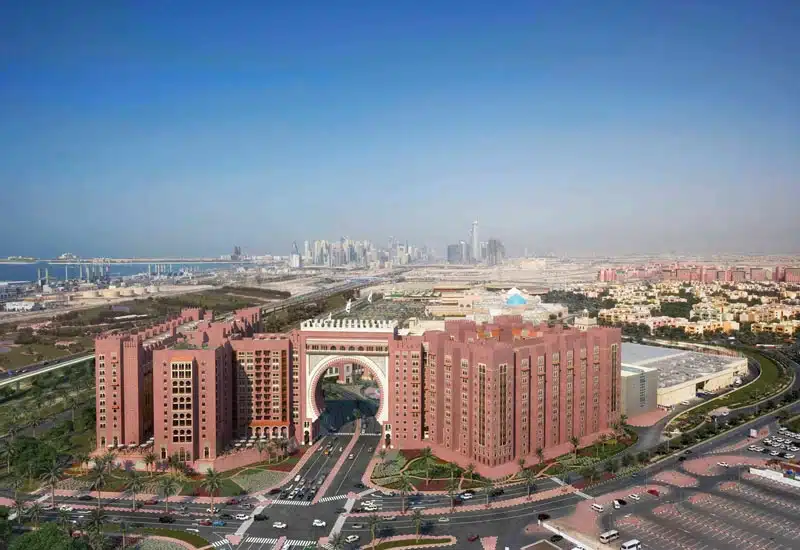

Ibn Battuta Mall is one of the most recognisable landmarks in southwest Dubai, and for anyone researching property in Jebel Ali, Discovery Gardens, or Al Furjan, it is also a useful reference point. The mall sits directly on Sheikh Zayed Road with its own Dubai Metro station, which means every community built around it inherits the same advantage: fast access to Dubai Marina, JLT, and Downtown without the price tag those areas carry.
This guide looks at Ibn Battuta Mall from a property perspective. It covers what the mall actually is, how it connects to the rest of Dubai, and – because this is what most people searching for “Ibn Battuta Mall” while researching Dubai real estate actually want to know – what living or investing near it looks like in 2026, across the residential communities that surround it.
What Is Ibn Battuta Mall?
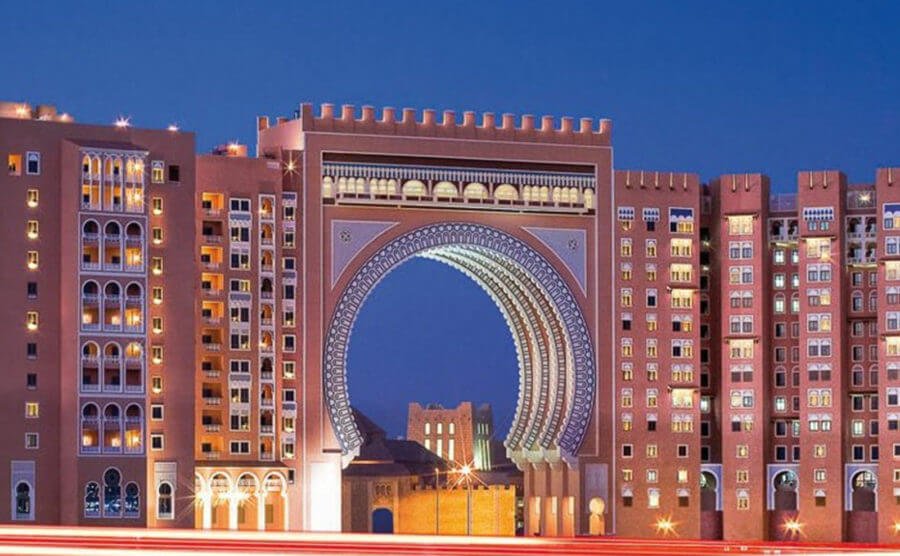
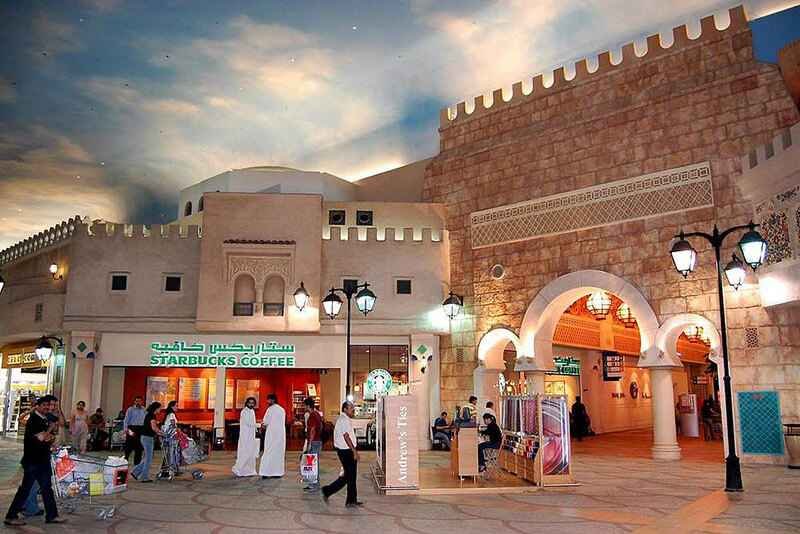
Ibn Battuta Mall is a themed shopping and entertainment destination developed by Nakheel and completed in 2008. It is widely described as the world’s largest themed shopping mall, built around six stylised courts inspired by the regions the 14th-century explorer Ibn Battuta travelled through: Egypt, India, China, Andalusia, Persia, and Tunisia. Each court has its own architecture, from Persian domes to a full-scale replica of a Chinese junk ship, which makes the mall as much a visitor attraction as a retail centre.
The mall houses more than 400 stores, spanning department stores, fashion outlets, specialty shops, and furniture retailers, along with a 21-screen cinema, a family entertainment zone, and a wide selection of dining options across its courts. A large-scale expansion is also part of the mall’s long-term masterplan, with Nakheel’s plans describing a future domed entertainment district featuring additional dining, live performance venues, and family attractions.
For residents of the surrounding communities, Ibn Battuta Mall functions less like a tourist stop and more like a neighbourhood mall – the place for a weekly grocery run at Carrefour, a cinema night, or a coffee, all within a five- to ten-minute drive or a short metro ride.
Where Is Ibn Battuta Mall Located?
Ibn Battuta Mall sits at The Gardens, between interchanges 5 and 6 on Sheikh Zayed Road, in the Jebel Ali First district of Dubai. This stretch of Sheikh Zayed Road marks the transition between “New Dubai” – Dubai Marina, JLT, and Al Furjan – and the Jebel Ali and Dubai Investments Park (DIP) corridor further south. That position is precisely why the area has become a magnet for mid-market residential development: it sits close enough to the Marina and JLT job clusters to be commutable, while land and construction costs further out have kept property prices meaningfully lower.
The mall’s immediate neighbours are Discovery Gardens to the north, Al Furjan and Jebel Ali Village to the south and west, and Jumeirah Park and Jumeirah Islands across Sheikh Zayed Road to the east. Dubai Investments Park and Jebel Ali Free Zone (JAFZA) lie further south, forming one of the largest employment hubs in the emirate.
Getting to Ibn Battuta Mall by Metro
Ibn Battuta Metro Station sits on the Red Line of the Dubai Metro, connected directly to the mall by covered sky bridges, with the station having opened in April 2010. It functions as a significant transit hub for the district, providing pedestrian access to the mall as well as to neighbouring residential communities such as Discovery Gardens. The station is also the departure point for the E101 intercity bus service to Abu Dhabi, which makes the area relevant even for residents whose work extends beyond Dubai.
From Ibn Battuta Metro Station, it takes roughly 18 minutes to drive to Dubai Mall, 9 minutes to Palm Jumeirah, 14 minutes to Burj Al Arab, and 10 minutes to The Walk at JBR, and both Dubai International Airport and Al Maktoum International Airport are within a 25- to 30-minute drive. In practice, this means anyone renting or buying in the communities around the mall is buying into direct Red Line access – the same metro line that serves Dubai Marina, JLT, DIFC, and Downtown – without paying Marina-level prices for it.
Communities Around Ibn Battuta Mall: A Property Overview
The mall itself has no residential units – it is a commercial asset – but it is the shared anchor for a cluster of communities that, together, form one of Dubai’s most searched-for value corridors. Anyone typing “Ibn Battuta Mall” into a property search is usually, in one way or another, evaluating one of the following four areas.
Discovery Gardens
Developed by Nakheel and completed in 2008, Discovery Gardens spans 26 million square feet and comprises more than 300 residential buildings with around 26,000 units, organised into six themed clusters – Zen, Mediterranean, Contemporary, Mesoamerican, Mogul, and Cactus. It is arguably the community most closely tied to the mall, sharing a boundary with it and connected by a dedicated metro station on the Red Line.
Discovery Gardens is the entry point into freehold Dubai property for a large segment of buyers. Q1 2026 Dubai Land Department transaction data puts median apartment prices at roughly AED 480,000 for a studio and up to AED 1.10 million for a two-bedroom unit, with entry-level studios in the older clusters starting from around AED 460,000 and one-bedrooms from about AED 690,000. On the rental side, the average new rental contract in 2026 sits around AED 58,571 a year, with renewal rates averaging AED 54,330 – a meaningful discount to comparable unit sizes in Dubai Marina or JLT.
Gross rental yields in Discovery Gardens typically run between 7.0% and 7.8%, with well-located studios reaching as high as 8.4%, which is one of the stronger yield profiles in freehold Dubai and a large part of why the community remains popular with buy-to-let investors. The community sits between Sheikh Zayed Road and Sheikh Mohammed Bin Zayed Road, with two dedicated Red Line metro stations offering direct connections to Dubai Marina, JLT, Expo City, and Dubai Media City.
Al Furjan
Al Furjan sits just west of Discovery Gardens and shares the same proximity advantage to Ibn Battuta Mall – the mall is roughly a ten-minute drive from most parts of the community. Unlike Discovery Gardens, Al Furjan is a mixed low-rise community, combining villas, townhouses, and a growing stock of mid-rise apartment buildings, developed primarily by Nakheel.
As of January 2026, apartments in Al Furjan start from around AED 550,000 and villas from AED 3.5 million, with average rental yields between 6.5% and 8%. Villas specifically range from AED 3.48 million to AED 7.93 million on average, with an average yield of around 5.15%, and recent transactions have recorded capital gains of up to 24.5% on three-bedroom units, 33.3% on four-bedroom units, and as much as 40% on five-bedroom villas.
The Al Furjan Pavilion and Al Furjan West Pavilion provide day-to-day retail, supermarkets, pharmacies, and cafes, but for larger shopping trips, a cinema visit, or a hypermarket run, Ibn Battuta Mall remains the community’s default destination. Properties here also qualify for Dubai’s Golden Visa programme where the total investment reaches AED 2 million, and the community has its own Al Furjan Metro Station, one stop from Discovery Gardens and two from Ibn Battuta on the Red Line.
Jebel Ali Village
Jebel Ali Village, immediately south of Al Furjan, is Nakheel’s low-density villa and townhouse redevelopment of the historic Jebel Ali Village site, and it sits at the premium end of the corridor. The market average for independent villas is approximately AED 6.5 million, while townhouses average between AED 4.58 million and AED 4.77 million, and price per square foot has grown around 26.89% year-on-year, with overall property values up 14.21% annually – a reflection of strong demand for one of the few single-row, low-rise villa communities left within this part of Dubai.
Jebel Ali Village is only around six minutes from Ibn Battuta Mall and its metro station, and roughly 30 minutes from both Dubai International and Al Maktoum International airports. The community is exclusively villas and townhouses – there are no apartments here – which makes it a natural next step for families who started out renting in Discovery Gardens or Al Furjan and want more space without leaving the same part of the city.
Jumeirah Park, Jumeirah Islands, and the wider corridor
On the opposite side of Sheikh Zayed Road, Jumeirah Park and Jumeirah Islands add a further layer of villa-led communities within easy reach of Ibn Battuta Mall. Jumeirah Park is a family-oriented development of around 2,000 villas set among parks and green spaces, offering another villa option for buyers who want proximity to the mall’s retail and metro infrastructure without committing to Jebel Ali Village’s newer, higher-priced stock.
Further south, Dubai Investments Park (DIP) and Jebel Ali Free Zone extend the employment base that underpins rental demand across the entire corridor – a significant share of tenants in Discovery Gardens and Al Furjan work in logistics, trade, and industrial roles connected to JAFZA and DIP, which keeps occupancy levels stable even as new supply comes online.
Why the Ibn Battuta Corridor Appeals to Buyers and Investors
Three factors consistently come up when analysts and agents explain why this part of Dubai continues to attract steady demand.
Metro-anchored affordability. This is the only stretch of “New Dubai” where Red Line metro access, direct Sheikh Zayed Road frontage, and sub-AED-1-million apartment entry prices coexist. Marina and JLT offer the same metro line at roughly double the price per square foot.
A genuine catchment population. Ibn Battuta Mall’s primary catchment covers around 500,000 residents across southwest Dubai communities such as Discovery Gardens and Jebel Ali Village, expanding to roughly 1.2 million people within a 5–10 km radius. That density supports not just the mall’s retail performance but also rental demand for the apartments and villas around it – a large, settled residential base rather than a purely speculative one.
Diversified property stock. Few corridors in Dubai let a buyer choose between a sub-AED-500,000 studio, a mid-market three-bedroom villa, and a AED-6-million-plus independent home, all within a ten-minute radius of the same mall and metro station. That range gives the area resilience: it isn’t dependent on a single buyer profile or a single price band to sustain demand.
The trade-offs are worth stating plainly, too. The mall itself faces ageing infrastructure that may require future capital investment, and competes with newer, higher-end retail destinations such as Mall of the Emirates, and Sheikh Zayed Road traffic at peak hours is a genuine daily consideration for residents commuting further into the city. Buyers evaluating the area should weigh these against the connectivity and pricing advantages above.
Lifestyle Near Ibn Battuta Mall
Day-to-day life in this corridor revolves around a manageable radius. Schools within close reach include The Winchester School and Delhi Private School Dubai, both within about a kilometre of the metro station, alongside Dubai British School Jumeirah Park, which holds an “Outstanding” government inspection rating. Families in Discovery Gardens, Al Furjan, and Jebel Ali Village typically choose between these and a handful of nurseries and international schools scattered across Al Furjan and Jumeirah Park.
Healthcare is served by clinics within Al Furjan Pavilion and a broader network of hospitals along Sheikh Zayed Road toward Dubai Marina and Jebel Ali. For everyday errands, residents lean on Ibn Battuta Mall’s Carrefour hypermarket, supplemented by the smaller retail hubs inside Al Furjan and Discovery Gardens themselves.
Recreation follows a similar pattern: walkable, landscaped clusters within Discovery Gardens, a 40-kilometre network of shared paths for walking, jogging, and cycling across Al Furjan, and cycling tracks, community farms, padel courts, and football pitches within Jebel Ali Village. For nightlife, dining, or the beach, residents generally head north to Dubai Marina and JBR – both roughly 10 to 15 minutes away by car or metro – rather than looking within the immediate area.
Future Developments to Watch
Two projects will shape this corridor’s trajectory over the coming years. Nakheel’s continued rollout of Jebel Ali Village, including the newer Lunaya villa clusters, is extending the community’s premium villa supply through the end of the decade. And further west, Palm Jebel Ali – Nakheel’s large-scale revival of its original palm-island masterplan – is now in active construction, with infrastructure targeted for completion in late 2026 and the first residential handovers expected from 2027. While Palm Jebel Ali sits at a considerably higher price point than the communities immediately around Ibn Battuta Mall, its progress is likely to lift the profile – and, over time, the values – of the wider Jebel Ali district, including the mall itself as a retail and leisure anchor for the new waterfront population.
Investing Near Ibn Battuta Mall: What to Consider
For buyers weighing this corridor against other parts of Dubai, three questions tend to matter most.
Yield versus appreciation. Discovery Gardens and Al Furjan apartments generally deliver the stronger rental yields – often 7% or higher – making them better suited to income-focused investors. Jebel Ali Village and Al Furjan villas have shown faster capital appreciation, which suits buyers prioritising longer-term value growth over immediate cash flow.
Freehold status and ownership. All four core communities – Discovery Gardens, Al Furjan, Jebel Ali Village, and Jumeirah Park – sit within designated Dubai freehold zones, meaning foreign nationals can hold full title without a UAE residency requirement, with resale, lease, and mortgage rights included in the Dubai Land Department title deed.
Off-plan versus ready. Discovery Gardens and Al Furjan are largely built out, so buyers there are mostly choosing between secondary-market resale units. Jebel Ali Village and the surrounding pipeline still carry meaningful off-plan stock, which typically means lower entry prices and staged payment plans, offset by construction and delivery timeline risk.
As with any Dubai purchase, buyers should verify current pricing, service charges, and title status directly against Dubai Land Department records before committing, since market conditions in this fast-moving corridor can shift from quarter to quarter.
FAQs
Where exactly is Ibn Battuta Mall located?
Ibn Battuta Mall is located on Sheikh Zayed Road, between interchanges 5 and 6, in the Jebel Ali First district of Dubai, directly beside its own Dubai Metro station.
How do I get to Ibn Battuta Mall by metro?
Take the Dubai Metro Red Line to Ibn Battuta Station, which connects directly to the mall via covered sky bridges. The station also links to Ibn Battuta Bus Station for onward bus routes, including intercity service to Abu Dhabi.
Which residential communities are closest to Ibn Battuta Mall?
Discovery Gardens borders the mall directly, while Al Furjan, Jebel Ali Village, and Jumeirah Park are all within a five- to ten-minute drive.
Is Discovery Gardens a good area to buy property in 2026?
Discovery Gardens offers some of Dubai’s more accessible freehold entry prices, with studios from around AED 460,000 and gross rental yields generally between 7% and 8%, supported by direct metro access and steady demand from the wider Jebel Ali employment corridor.
Can foreigners buy property near Ibn Battuta Mall?
Yes. Discovery Gardens, Al Furjan, Jebel Ali Village, and Jumeirah Park are all designated freehold areas, allowing non-UAE nationals to hold full property title.
What is the average rent for an apartment in Discovery Gardens?
As of 2026, new rental contracts in Discovery Gardens average around AED 58,571 a year across unit types, with renewal rents typically lower, around AED 54,330 annually.
Are there villas available near Ibn Battuta Mall?
Yes. Al Furjan and Jebel Ali Village both offer villas and townhouses, with Jebel Ali Village positioned as the premium, low-density option and Al Furjan offering a broader mix of price points.
How far is Ibn Battuta Mall from Dubai Marina?
Ibn Battuta Mall is roughly a 10-minute drive from Dubai Marina and The Walk at JBR, and both areas share the same Dubai Metro Red Line.
What rental yields can investors expect near Ibn Battuta Mall?
Yields vary by community and property type: Discovery Gardens apartments typically deliver 7% to 8%, Al Furjan apartments and villas range from roughly 5% to 8%, and Jebel Ali Village, being a newer, capital-growth-focused market, generally offers lower immediate yields in exchange for stronger price appreciation.
Does property near Ibn Battuta Mall qualify for the UAE Golden Visa?
Properties in Al Furjan and other freehold communities in this corridor can qualify where the total investment value reaches AED 2 million, in line with the UAE’s standard property-based Golden Visa threshold. Buyers should confirm current eligibility criteria before purchasing.
What shops and facilities does Ibn Battuta Mall itself offer?
Ibn Battuta Mall houses more than 400 retail outlets across six themed courts, along with a Carrefour hypermarket, a 21-screen cinema, and a range of dining and family entertainment options.
Is the area around Ibn Battuta Mall family-friendly?
Yes. The corridor is known for schools such as The Winchester School, Delhi Private School Dubai, and Dubai British School Jumeirah Park, along with walkable, landscaped residential clusters and dedicated parks in Al Furjan and Jebel Ali Village.
How is the Ibn Battuta area changing in 2026?
Nakheel’s ongoing development of Jebel Ali Village and the active construction of Palm Jebel Ali further along the coast are the two biggest drivers of change, gradually raising the profile and long-term value potential of the wider Jebel Ali district.
Is it better to buy an apartment in Discovery Gardens or a villa in Al Furjan?
It depends on strategy. Discovery Gardens apartments suit investors prioritising rental yield and lower entry cost, while Al Furjan villas suit end-users and investors focused on space, family living, and longer-term capital appreciation.
Does Ibn Battuta Mall have direct access to Sheikh Zayed Road?
Yes. The mall sits directly on Sheikh Zayed Road between interchanges 5 and 6, giving residents of the surrounding communities fast road access to both Downtown Dubai and Abu Dhabi.

Leave a Reply