
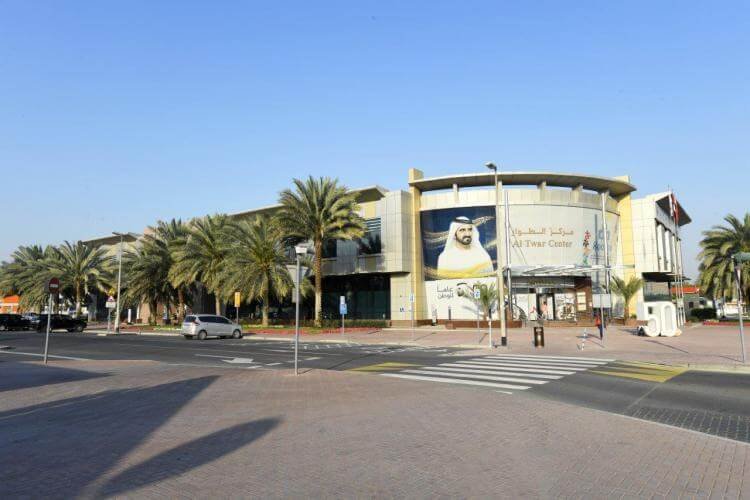

Al Twar 2 is a residential sub-community in the Al Twar district of Deira, in eastern Dubai. It is made up mostly of independent villas on generous plots, sits a few minutes from Dubai International Airport, and lies close to the Dubai–Sharjah boundary. It is quiet, low-density and car-oriented, and that combination is exactly why families choose it.
There is one point most guides leave out: Al Twar is not an open freehold zone. Many sale listings in the district are marked for GCC nationals only, so the first question for any buyer is eligibility, not price. We cover that in detail below, together with current rent and sale benchmarks, schools, transport and an honest look at the investment case.
Al Twar 2 at a Glance
| Attribute | Detail |
|---|---|
| Emirate / district | Dubai, Deira, Al Twar |
| Character | Low-rise, villa-led residential neighbourhood |
| Neighbouring areas | Al Qusais, Al Nahda, Hor Al Anz, Muhaisnah |
| Nearest airport | Dubai International (DXB), roughly 7 minutes by car in light traffic |
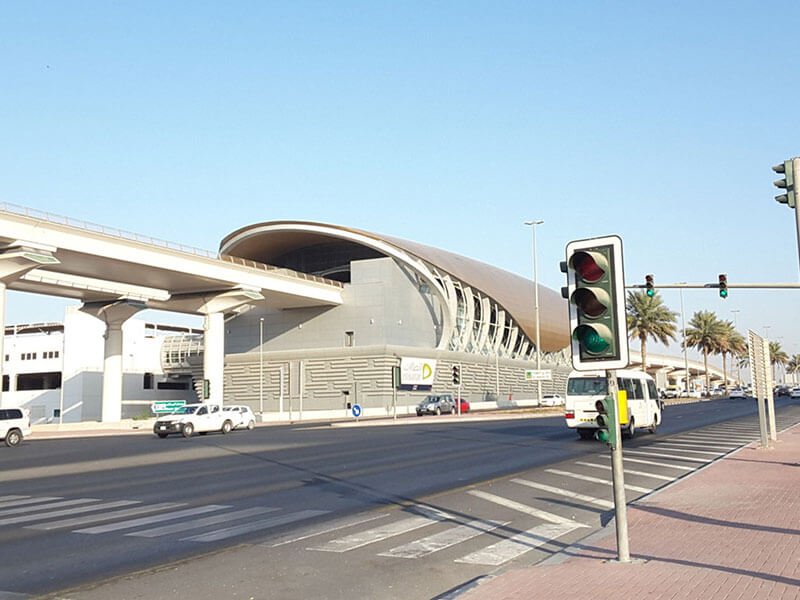
| Nearest metro | Dubai Airport Free Zone (Green Line), roughly 7 minutes by car; Al Nahda, roughly 10 minutes |
| Typical homes | 3 to 8 bedroom villas; a small number of low-rise apartments and commercial units |
| Large-villa rent (2026 listings) | Around AED 220,000 to 230,000 a year for 6-bedroom villas; AED 400,000 for an 8-bedroom with garden |
| Average villa price per sq ft (DLD-based) | About AED 246 |
| Buyer eligibility | Commonly restricted to UAE and GCC nationals; verify per title deed |
Where Is Al Twar 2 and How Is Al Twar Organised?
Al Twar covers about 6.8 square kilometres and recorded a population of 24,479 in 2017, which works out to roughly 3,600 people per square kilometre. That is thin by Dubai standards, and it explains the open feel of the streets. The district borders the airport to the south, Al Qusais to the north, Hor Al Anz to the west and Muhaisnah to the east, and it is framed by Al Nahda Road to the north and Abu Hail Road to the south.
Al Twar is divided into numbered sub-communities. Older references list three (Al Twar 1, 2 and 3), while current references list five, adding Al Twar 4 and Al Twar 5. Property portals still tend to mention the first three most often, with Al Twar 4 appearing in larger-villa listings. If you are comparing sources, expect the numbering to differ.
Within the district, Al Twar 2 is described by local guides as bounded by Al Quds Street, Beirut Street, Damascus Street and Al Nahda Street. Those four roads are useful anchors: they tell you how quickly you can reach Al Qusais and Al Nahda for daily errands, and how exposed a particular street is to through traffic.
Getting Around From Al Twar 2
By car
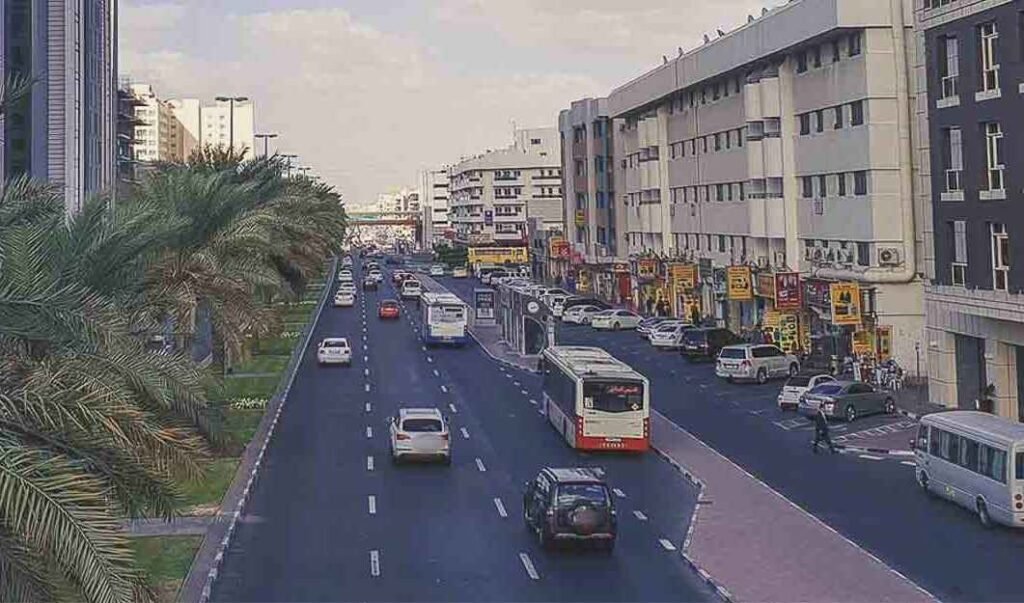
Road access is the area’s strongest practical feature. Al Nahda Road and Abu Hail Road form the district’s edges, and Al Ittihad Road (E11) and Sheikh Mohammed bin Zayed Road (E311) are within a short drive. The airport is the headline convenience: roughly 7 minutes by car outside peak hours according to Property Finder’s area guide, with the Dubai Frame about 16 minutes away. Peak-hour times towards Sharjah and Deira are longer, and any buyer who commutes should test the drive at the time they would actually make it.
By metro and bus
There is no metro station inside Al Twar 2, so most residents drive or take a short taxi to the Green Line. Dubai Airport Free Zone station is the nearest, around 7 minutes by car, with Al Nahda station around 10 minutes. Local bus stops, including Al Twar Centre and the Al Twar 1 terminus, connect to the metro and to Al Qusais bus station. For households with school-age children, this means a car, or a school bus contract, is close to essential.
What the Blue Line changes, and what it does not
The Roads and Transport Authority has set 9 September 2029 as the opening date for the Blue Line, a 30-kilometre route with 14 stations. Its listed districts include Mirdif, Al Warqa, International City, Dubai Silicon Oasis, Academic City, Dubai Creek Harbour and Dubai Festival City. Al Twar is not among them. Treat the Blue Line as a regional benefit that may relieve some east-Dubai road pressure, not as a catalyst that puts a station at your door. Tunnelling progress was reported in July 2026, so the timeline is credible, but the effect on Al Twar rents or values remains unproven.
Living in Al Twar 2
Schools and nurseries
Education options sit within the district and just outside it. Star International School and Al Salam Private School are the names that appear most often for Al Twar. For younger children, British Orchard Nursery operates a branch on 22nd Street in Al Twar 2 and follows the British Early Years Foundation Stage curriculum. Deira Private School and its nursery are listed on Street 32 in Al Twar 3. Check each school’s current fee structure and inspection rating on the Knowledge and Human Development Authority (KHDA) site before shortlisting, because nursery names in the area have changed through mergers.
Healthcare and government services
Al Twar Health Center, run by the Dubai Health Authority, serves the district, and private clinics and dental centres are found in Al Twar and neighbouring Al Qusais, including Al Qusais Medical Center Dental Poly Clinic. Zulekha Hospital is also commonly cited as nearby. Everyday administration is unusually convenient: guides list an Amer centre, a notary, a public library and an RTA office within Al Twar, which saves trips across the city for visa, tenancy and vehicle paperwork.
Parks, fitness, food and shopping
Al Twar has three numbered parks, and Al Twar Park 2, off Al Nahda Street, is generally cited as the largest. Residents also use Al Nahda Pond Park, around 10 minutes away, and Al Mamzar Beach Park is a short drive for weekend outings. Al Twar Sports Center and Gymnastex cover fitness. Grocery needs are handled by Union Coop and independent supermarkets, with Al Twar Centre as the local convenience mall and Etihad Mall in the wider area. Chain cafes and fast-food outlets, including Starbucks and Papa John’s, are present, though the district is not a dining destination. For a wider restaurant scene, residents head to Al Nahda or Deira.
Safety, family life, pets and walkability
Al Twar 2 is calm largely because of its layout: wide residential streets, private plots and little through-development. We do not publish crime figures for the area, and neither do the property portals, so for official safety information refer to Dubai Police. Family suitability is high on space and schooling access, moderate on entertainment. Pets are generally manageable in villas with private gardens, while any apartment building will set its own policy. The district is not walkable in the way an apartment cluster near a metro is; most errands involve a short drive, though quieter streets are pleasant for walking.
Property in Al Twar 2
What you will actually find
Al Twar 2 is a villa market. Standalone villas range from 3 to 8 bedrooms on plots that are large by Dubai standards. For scale, listings elsewhere in Al Twar show a 4-bedroom villa on a 12,000 sq ft plot with around 7,000 sq ft built-up, and a single-storey villa on a nearly 16,800 sq ft plot. A small number of low-rise apartments and commercial units exist, but there are no residential towers, no penthouses and no purpose-built office or retail blocks of note. Businesses looking for offices should compare Al Qusais and Dubai Airport Free Zone instead.
There is also no master developer. Homes are privately owned and individually built, so condition varies widely, from freshly renovated to original-build properties. That makes inspection and title review more important than in a developer-built community.
Rent benchmarks
Large villas dominate current Al Twar 2 listings. A 6-bedroom independent villa near the Dubai Airport Free Zone metro was advertised at AED 230,000 a year, another large villa at AED 220,000, and an 8-bedroom villa with maid’s room and garden at AED 400,000. Across Al Twar as a whole, 4-bedroom villa rents on Property Finder cluster between roughly AED 213,000 and 235,000, and 5-bedroom villas average around AED 300,000 in Al Twar 4. Many contracts are offered with one to four cheques, and some landlords offer a free month, which is a negotiating signal that supply is not tight at the top end.
About 97 percent of Al Twar rentals are long-term, according to Property Finder’s area data. This is a family-tenant market, not a holiday-let one.
Sale benchmarks
Dubai Land Department transaction data compiled by Driven Properties puts the average villa price in Al Twar Second at about AED 246 per sq ft, down around 5 percent from roughly AED 259 earlier. In the same dataset Al Twar First and Fourth moved up, while Al Twar Third fell, so sub-communities do not move together.
Asking prices show the wider range. A 6-bedroom villa in Al Twar 1 was listed at AED 5.5 million, a 7,800 sq ft corner plot with an older villa in Al Twar 4 at AED 3.5 million, and a very large 62,840 sq ft plot in Al Twar 1 at AED 26.7 million, or AED 425 per sq ft. Asking prices are not transaction prices, so use them as a ceiling and check recent DLD sales before you offer.
Who Can Buy in Al Twar 2?
This is the question that decides everything else. Dubai’s freehold zones, where foreigners can own property outright, are defined by law, and Al Twar is not generally marketed as one of them. Sale listings across Al Twar repeatedly state that purchase is limited to UAE or GCC nationals. Property Finder’s area page speaks of both freehold and leasehold options, but that is generic wording and should not be read as an invitation to non-GCC buyers.
Practically, that means three things. If you are a UAE or GCC national, the district is open to you, and you can buy a villa or a plot to build on. If you are an expatriate resident, you will most likely rent here, and you should look to designated freehold communities if you want to buy. And if a listing seems to offer a foreign buyer title in Al Twar, ask for the title deed and verify eligibility with the Dubai Land Department before paying any deposit. Rules and zones can change, so confirm current eligibility rather than relying on any guide, including this one.
Is Al Twar 2 a Good Investment?
The honest answer is that it suits a specific kind of buyer. The case in favour rests on land value, scarcity and location. Large plots near the airport and an established infrastructure base are hard to replicate, and older villas are already being sold as redevelopment opportunities, where the land is the asset. Tenant demand comes from families who want space and from workers linked to the airport, Dubai Airport Free Zone and nearby government offices.
The case against is equally clear. The eligible buyer pool is narrow, which limits resale liquidity. The most recent DLD-based figures show Al Twar Second slightly softer, not rising. Older villas carry maintenance costs that portal yields never show. And the Blue Line does not stop in the district.
To see how the arithmetic works, take an illustrative AED 4 million villa renting at AED 220,000 a year. That is a gross yield of 5.5 percent. It is a simple illustration, not a forecast, and it is before maintenance, vacancy and agency fees, which will lower the net return. Run the same calculation on any property you consider, using verified rent and a realistic repair budget.
Nothing here is financial or legal advice. For a purchase decision, speak with a licensed broker and a lawyer.
How to Buy a Villa in Al Twar 2 (Eligible Buyers)
Start by confirming your eligibility and the plot’s title deed details, including plot size, built-up area and any additions made without permits. Agree the price and sign the sale agreement through a registered broker, typically using the standard memorandum of understanding. Request a no-objection certificate from the seller’s side where required, and complete the transfer at a Dubai Land Department trustee office. One current listing in the area quotes a 4 percent DLD transfer fee and a 2 percent agency fee, which gives a rough sense of closing costs; confirm the figures for your own transaction.
How to Rent in Al Twar 2
Agree the annual rent and cheque schedule, then register the tenancy contract through Ejari, which is required for utilities and visa processes. Villa deposits are commonly around 5 percent of annual rent for unfurnished homes, but this is custom rather than a fixed rule, so negotiate it. Inspect the property in the evening as well as the daytime, check the water and cooling systems in older villas, and ask who is responsible for annual maintenance before you sign.
Al Twar 2 Compared With Nearby Areas
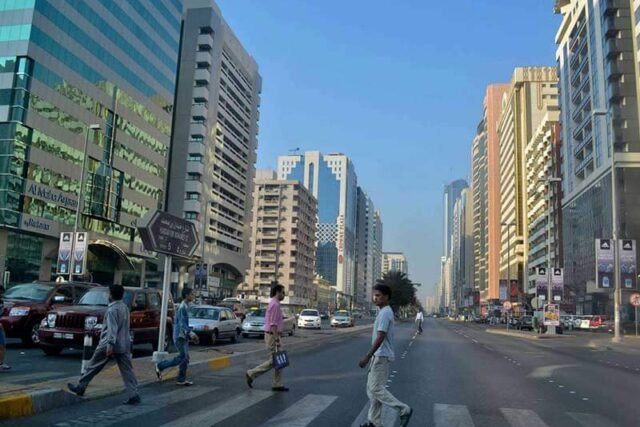
Al Qusais and Al Nahda offer more apartments, more dining and quicker metro access, but with denser traffic and smaller living spaces. Hor Al Anz is closer to the central Deira corridor. Muhaisnah is more mixed in character and more affordable. Mirdif is the best-known villa alternative for expatriate families and benefits directly from the Blue Line, but it sits in an open freehold-style market with a different price profile. Choose Al Twar 2 if you want a quiet, plot-rich street near the airport and can navigate the ownership rules; choose its neighbours if you need apartments, nightlife or an expatriate-friendly purchase route.
What Could Change for Al Twar 2?
Three developments are worth watching. The Blue Line opens in 2029 and will reshape commuting patterns across east Dubai even without a station here. The planned Gold Line, slated for 2032, is another long-range addition to the network. And within the district itself, redevelopment of older villas will continue to refresh the housing stock plot by plot. Check RTA and Dubai Municipality announcements rather than relying on promotional timelines.
FAQs
Where is Al Twar 2 in Dubai?
Al Twar 2 is a sub-community of Al Twar in Deira, eastern Dubai. It sits near Dubai International Airport and the Dubai–Sharjah border, close to Al Qusais, Al Nahda and Hor Al Anz.
Is Al Twar 2 a good place to live?
It suits families who want space, privacy and quiet streets near the airport. The trade-offs are reliance on a car and a limited dining and nightlife scene.
Can foreigners buy property in Al Twar 2?
Generally no. Sale listings in Al Twar are commonly restricted to UAE or GCC nationals, and the district is not typically marketed as a foreign-freehold zone. Verify eligibility with the Dubai Land Department.
How much does it cost to rent a villa in Al Twar 2?
Recent listings show about AED 220,000 to 230,000 a year for large 6-bedroom villas and AED 400,000 for an 8-bedroom villa with garden. Across Al Twar, 4-bedroom villas rent for roughly AED 213,000 to 235,000.
What is the price per square foot in Al Twar 2?
DLD-based data puts the average villa price in Al Twar Second at around AED 246 per sq ft, slightly lower than the earlier figure of about AED 259.
What types of property are in Al Twar 2?
Mostly independent villas from 3 to 8 bedrooms, with a few low-rise apartments and commercial units. There are no towers or penthouses.
Is there a metro station in Al Twar 2?
No. The nearest Green Line stations are Dubai Airport Free Zone, about 7 minutes by car, and Al Nahda, about 10 minutes.
How far is Al Twar 2 from Dubai Airport?
Roughly 7 minutes by car outside peak hours, according to Property Finder’s area guide.
Will the Dubai Metro Blue Line serve Al Twar?
No. The Blue Line, due to open on 9 September 2029, serves districts such as Mirdif, Dubai Silicon Oasis and Dubai Creek Harbour, but Al Twar is not on its station list.
What schools are near Al Twar 2?
Star International School, Al Salam Private School, British Orchard Nursery on 22nd Street, and Deira Private School in Al Twar 3 are commonly cited. Check KHDA ratings and fees before applying.
Is Al Twar 2 good for investment?
It can work for eligible buyers who value land and long-term family tenancy, but the narrow buyer pool, mixed price trends and older-villa maintenance costs call for careful due diligence.
Is Al Twar 2 pet-friendly?
Villa gardens make pet ownership practical for most households. Apartment buildings set their own rules, so ask the property manager.
Is Al Twar 2 walkable?
Not in the transit-oriented sense. Streets are quiet and pleasant, but daily errands usually need a short drive.
The Bottom Line
Al Twar 2 rewards buyers and tenants who want space, calm and an airport on the doorstep, and who accept a car-first routine. Rents for large villas are well established, sale values are tied closely to land, and the ownership rules narrow the market considerably. If you are eligible, treat it as a plot-and-villa decision; if you are not, treat it as a rental. Either way, confirm numbers against live listings and Dubai Land Department records before committing.
Looking at Al Twar 2 or its neighbours? The DubaiPropertyPlus team can help you check eligibility, compare recent transactions and shortlist villas.

Leave a Reply